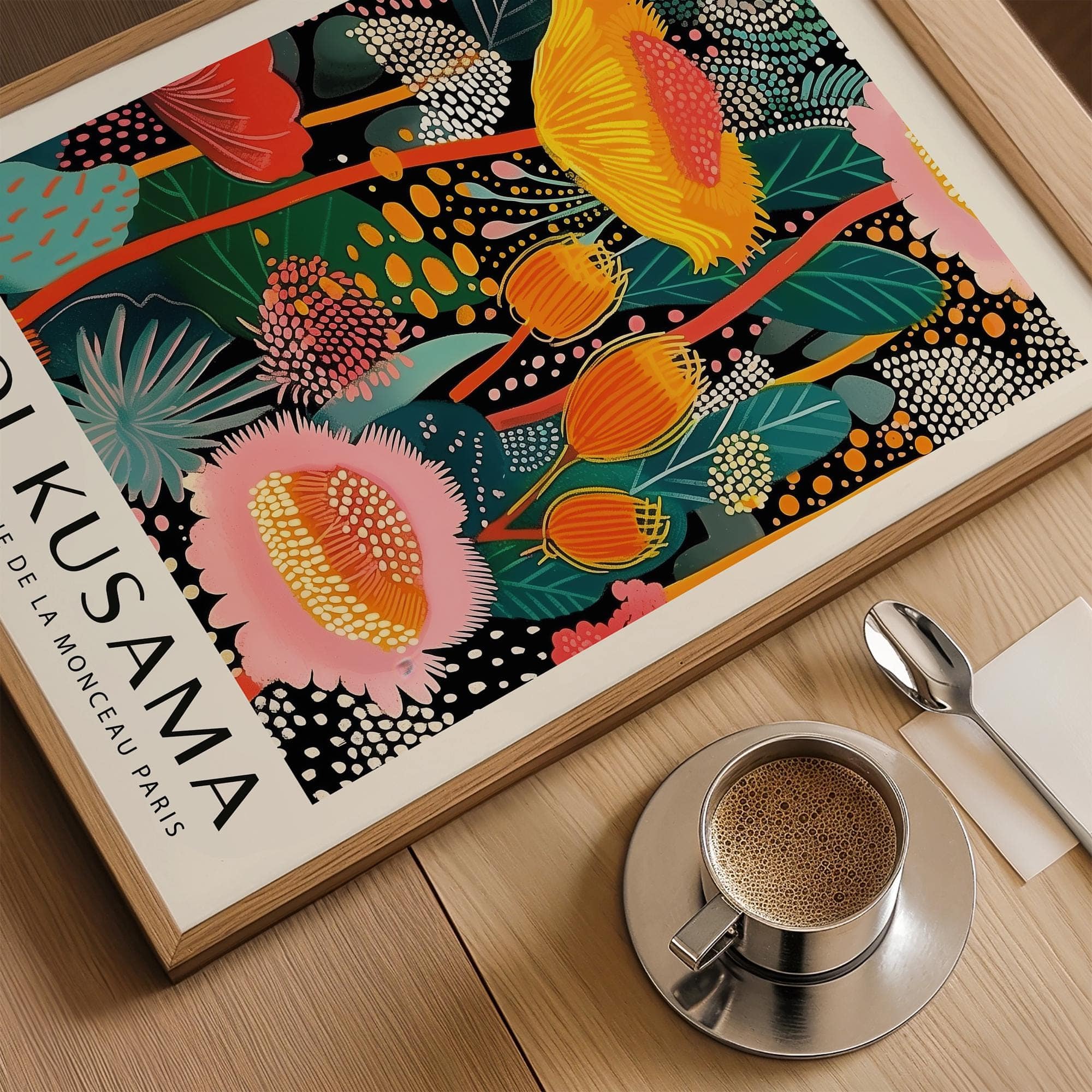
Asian Art
Asian art spans thousands of years and a vast geography, shaped by different religions, dynasties, and philosophies. From intricate ink paintings in China to bold woodblock prints in Japan, and the symbolic sculptures of India to contemporary works emerging across Southeast Asia, the diversity in artistic production across the continent is immense. This richness in traditional art forms reflects not only historical and spiritual themes but also the materials and techniques that defined each time period.
Many of these styles continue to influence the modern art world. Contemporary art from Asia often draws on the visual language of its past, transforming traditional techniques for new contexts. Artists in Korea, Central Asia, and the Indian subcontinent incorporate textiles, calligraphy, and ceramics into new installations and digital works. The result is a blend of past and present that defines much of contemporary Asian art today.
Woodblock Prints
Woodblock printing is one of Asia's most enduring art forms. While this technique was developed in China, it reached its peak in Japan during the Edo period, especially with the rise of Ukiyo-e. These prints depicted landscapes, scenes from daily life, kabuki theater, and the floating world. The bold lines, flat color areas, and precise carving made this style widely admired.
Notably, woodblock prints heavily influenced Western artists in the 19th century. This exchange, known as Japonisme, introduced new ways of seeing to artists like Van Gogh and Monet. Today, woodblock techniques continue to appear in both traditional and contemporary art practices, especially in Japanese art and broader East Asia.
Contemporary Asian Art
Contemporary Asian art often reflects the tensions between tradition and modernity. Artists working today balance cultural heritage with global influences, resulting in a wide range of styles and themes. You'll find ink painting alongside digital installations, traditional paper materials used in conceptual art, and themes of migration, identity, and technology explored through Asian cultural lenses.
Contemporary artists from Asia are widely exhibited in galleries around the world, from New York to the Museum of Art in major Asian cities. Their work highlights the continued relevance of Asian perspectives in the global art scene.
Contemporary Art
Globally, contemporary art is marked by its diversity. But within Asian contexts, contemporary art often holds a deeper dialogue with tradition. Themes like Buddhism, colonial history, and cultural hybridity appear frequently. Mediums vary from ink and paper to video and performance.
Installation artists from China, Japan, and Korea in particular have used scale and material in innovative ways, reshaping how traditional motifs are perceived. At the same time, there's growing appreciation for women artists and the reinterpretation of historical narratives through a present-day lens.
Chinese Art
Chinese art has a long and complex history, rooted in dynastic culture, philosophy, and spiritual belief. From the expressive brushwork of ink painting to ceramics of the Song Dynasty, each era offers distinct visual languages. Traditional Chinese art places great importance on balance, symbolism, and the natural world.
The influence of Mahayana Buddhism and Confucianism is deeply embedded in paintings, calligraphy, and sculpture. In the second half of the 20th century, Chinese artists began integrating Western influence and ideology into their work. This shift gave rise to an experimental period where Chinese opera, propaganda posters, and cultural symbols were all transformed into visual statements.
Traditional Art Forms
Asia's traditional arts span a vast array of techniques and purposes. From the finely made textiles of Southeast Asia to the architectural grandeur of Tibetan Buddhism, each form holds a cultural function. Garden design in Japan and Korea exemplifies the idea of landscape as art. Ceramics from China and Korea show deep technical mastery, while paper and ink in East Asia became central to painting and calligraphy.
These traditional arts still inform education in many Asian art schools. Students continue to study historical techniques, ensuring that materials and methods from centuries ago remain alive in modern artistic practice.
Japanese Art
Japanese art is defined by its attention to detail and philosophical undercurrents. From early Buddhist sculpture to Edo-period paintings and prints, Japan developed a distinct aesthetic often rooted in nature, impermanence, and balance. The floating world captured in woodblock prints revealed a society rich in visual culture.
Modern Japanese artists have expanded on these traditions. Influenced by both American and European art movements after World War II, they combined modern techniques with traditional themes. Contemporary Japanese artists frequently work with paper, ink, and textiles to explore both personal identity and collective memory.
Art History
Understanding Asian traditional art means diving into the art history of each region. Dynasties, trade routes, religious shifts, and colonialism all left visual records. Art history reveals how materials like silk, ink, ceramics, and even pigments moved across borders. It also uncovers how western artists absorbed Eastern techniques, leading to cross-cultural developments that still shape art schools and exhibitions today.
Major institutions such as the Metropolitan Museum in New York house extensive collections of Asian art. These collections allow for a broader appreciation of the themes and materials that defined artistic production across centuries.
Eastern Art
Eastern art isn't a single style, but rather a spectrum of cultural expressions from countries like China, Korea, Japan, India, and others in Central and Southeast Asia. Despite regional differences, many shared techniques, like ink on paper or symbolic use of color and form, appear throughout.
Themes such as spirituality, nature, and the cycle of life are central. Eastern art also places heavy importance on the viewer's appreciation, emphasizing subtlety and layered meanings over direct representation. Unlike some Western artists who aim for dramatic effect, Eastern creators often work toward harmony and restraint.
Ink Painting
Ink painting remains a cornerstone of Asian traditional art, especially in China, Japan, and Korea. Using a brush, water-based ink, and absorbent paper or silk, this technique emphasizes fluidity, control, and minimalism. It's a highly meditative practice, often associated with calligraphy.
Masters like the Chinese painter Sesshu Toyo or Japanese monks created landscapes that weren't just depictions of nature, but reflections of philosophical ideas. Ink painting endures in contemporary Asian art, often reinterpreted through mixed media or digital formats.
Floating World
The "floating world" or Ukiyo was a major cultural theme during Japan's Edo period. It described the pleasures of urban life: theater, geishas, landscapes, and seasonal beauty. Artists captured this in woodblock prints that became highly collectible across the world.
The floating world helped democratize art in Japan, making prints affordable and widespread. It also offered a visual history of everyday life during a dynamic time period. Today, elements from this genre continue to influence both fine art and design globally.