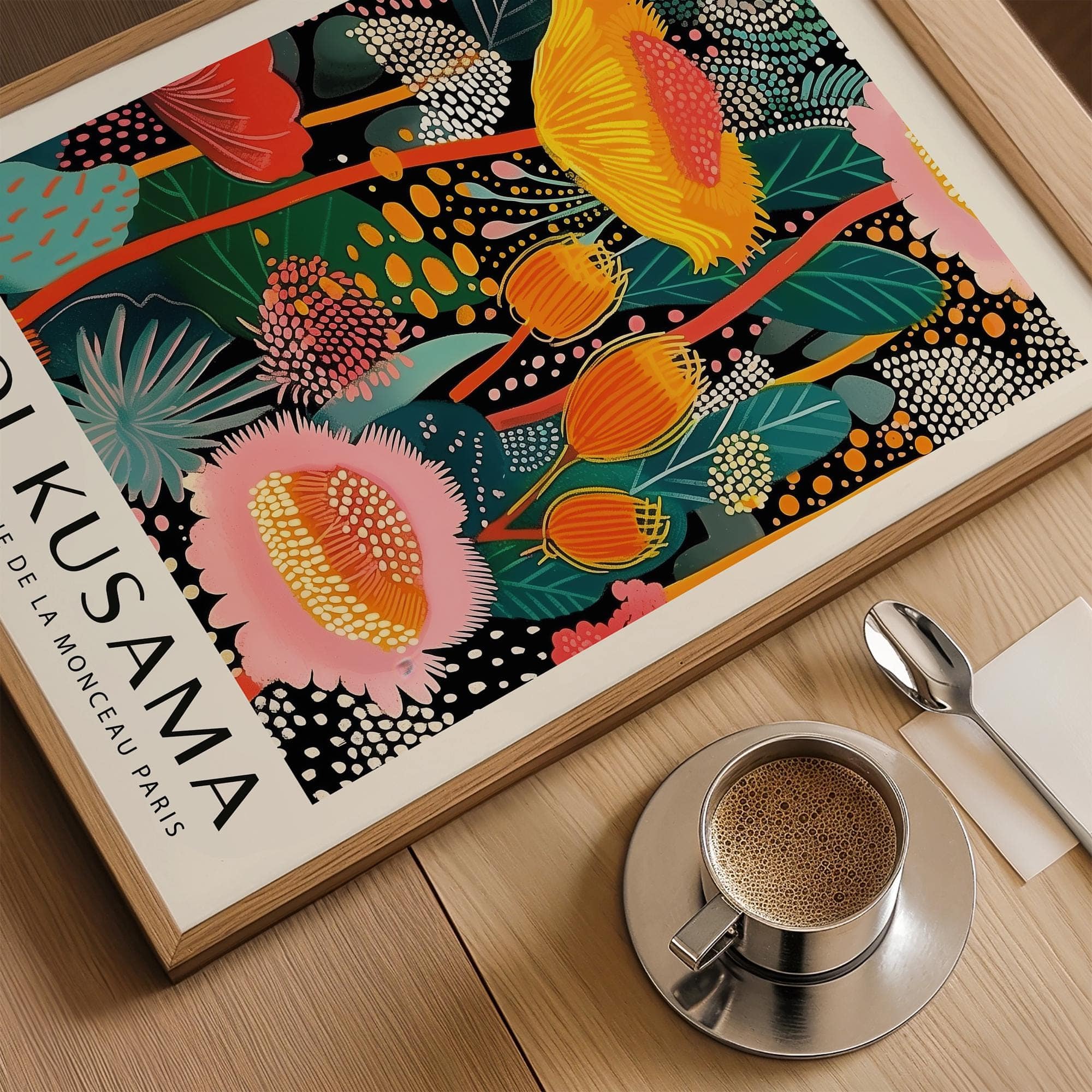
Japanese abstract art brings together deep tradition and contemporary creativity. It reflects a delicate balance between nature, space, and emotion. These works, created by many artists across Japan and beyond, explore artistic expression where the artist’s hand and unique techniques shine through.
Japanese Art Roots and Abstract Art Evolution
Japan’s rich japanese art heritage laid the groundwork for its modern abstraction. Traditional ink painting, woodblock prints, and paper screens show a lasting respect for nature and simplicity. Contemporary art in Japan built upon that foundation. Artists looked toward abstraction, using new mediums to explore space, colors, and design. Even materials like wood, paper, and natural pigments have been adapted to create modern works that feel both authentic and fresh.
Japanese Artists Leading Abstract Art
Many artists in Japan and Europe have become pioneers of japanese abstract art. These japanese artists made abstract works that reflect personality and artistic expression. Each artist’s hand is evident in their painting style. You can find pieces created with brush strokes on paper, prints made on wood panels, or mixed‑medium works that include natural materials.
Among the pioneers, some started their career in more traditional art and gradually moved into abstraction. Their journey shows how authenticity and innovation can blend. Their work often appears in collections around the world, from New York galleries to exhibitions in the Netherlands and Europe. These items are inspired by the artist’s own sense of space and nature, but brought into abstract realms.
Abstract Art: Techniques and Mediums
Abstract art in Japan uses a range of techniques. Some artists prefer the fluidity of ink on paper. Others work with thicker brush layers or mixed mediums that hint at texture, wood grain or natural fiber. This variety reflects creativity and an exploration of abstraction beyond mere shapes.
Artists focus on color relationships as much as on line and form. Whether working on portrait‑scale pieces or small prints, the interplay of light and negative space is vital. These works show how the artist’s hand moved across each canvas or sheet. The result is art that invites the viewer to explore space, emotion, and meaning.
The collection of materials used in these works is broad: ink, watercolor, wood cutouts, collage, and even brushed metal surfaces. This variety supports diverse artistic expression and allows each piece to feel both grounded and open.
How to Explore and Purchase Japanese Abstract Art
If you wish to purchase or explore japanese abstract art, there are many ways to find items shown in exhibitions or galleries. A studio collection might include prints on paper, original paintings, or wood panels. When you order a print, you may find limited edition items created with care. Art lovers in New York, Europe, or elsewhere can find available works for sale.
To display these works, consider the space and design of your room. Abstract works often benefit from open walls and simple decor so that colors and brush strokes command attention. Whether you choose a portrait or landscape orientation, placing the art in a calm setting enhances expression and authenticity.
Collections often include both original works and printed reproductions. A paper print may be more affordable while still offering the feeling of the creator’s technique. These prints are sometimes signed or titled by the artist. For a bolder statement, you might choose a piece created on wood or canvas, where brush and pigment layer visibly.
Discovering the World of Contemporary Abstract Art
Exploring japanese abstract art means connecting with a global art world. Japanese artists have influenced and been influenced by contemporary abstraction in Europe, New York, and beyond. Their work contributes to the global abstract art movement while remaining deeply rooted in japan’s artistic traditions.
You’ll find that many artists share similar themes, nature, space, and simplicity, but they each bring their own career story and vision. Some may be lesser‑known but offer powerful expression. Others may be recognized pioneers with decades of work behind them.
For art lovers, finding a collection that resonates involves visiting galleries or browsing online catalogs to order fine art items. You can compare pieces by looking at how the artist’s hand shows in brush marks, how the colors interact, and how abstraction creates emotion. When you purchase a work, consider the medium, the artist’s techniques, and the space where it will be displayed.