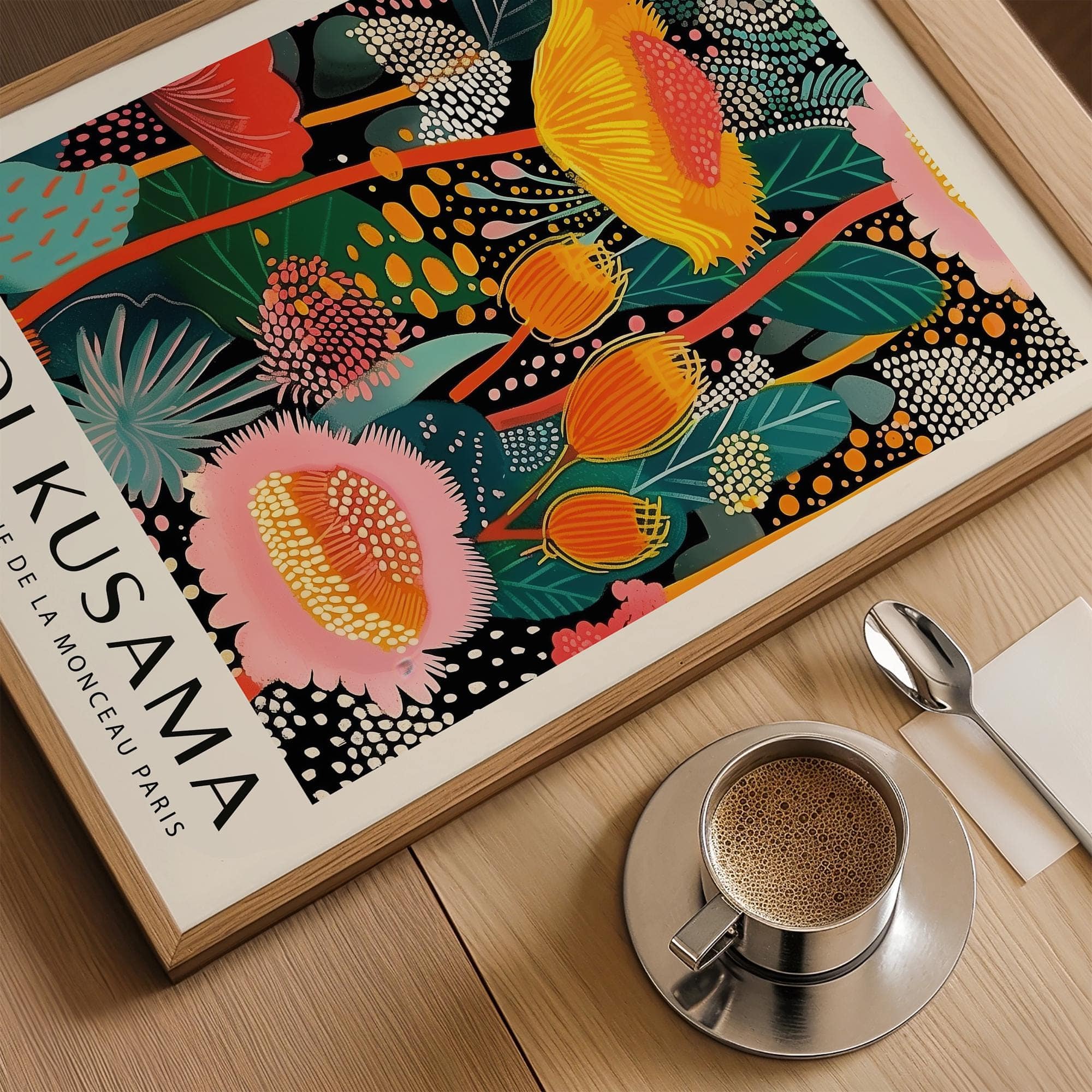
Japanese Floral Paintings
Japanese floral paintings combine nature, symbolism, and tradition in a way that feels deeply intentional. These artworks often show more than just flowers, they reflect the passing of time, the balance of life, and the values held across generations in Japan.
For centuries, Japanese artists have turned to plants and flowers as subjects not just for their beauty, but for what they represent. A single bloom might stand for strength in winter, good fortune in spring, or quiet peace in summer. These meanings were shared in scrolls, prints, and folding screens, many of which were created for the imperial family or gifted between artists, scholars, and nobility.
What sets Japanese floral paintings apart is their unique blend of detail and restraint. Where some cultures might use bright colors and heavy strokes, Japanese painting often leaves room to breathe. Space is part of the design. Every petal, line, or ink wash holds meaning.
Whether printed as part of a limited-ed collection or created as a one-of-a-kind ink work, these paintings continue to influence modern art and decor around the world. In homes, studios, galleries, and digital spaces, they still hold a quiet but lasting presence.
Japanese Art
Japanese art draws heavily on the natural world. Themes like seasonal change, harmony, and impermanence are common in every medium, from ceramics to architecture, and especially in painting. Flowers appear not just as decorative elements, but as cultural symbols with layered meaning.
In traditional Japanese art, you’ll often see a sense of balance between softness and control. Artists tend to focus on mood and shape rather than just realism. Whether it's cherry blossoms scattered on the wind or an iris standing tall against a stream, there's a purpose behind every detail.
This approach can be seen clearly in works from Kyoto and Tokyo art schools. Artists in these regions have spent years, even decades, perfecting the brush techniques that give floral paintings their subtle elegance. Their works, both old and new, continue to hold space in collections throughout Japan and abroad.
Today, Japanese art still honors its roots while exploring new expressions. Floral painting remains one of the most popular themes because it carries the depth and peace that Japanese art is known for.
Japanese Painting
Japanese painting has evolved over centuries, with styles and formats changing as dynasties and movements rose and fell. But one thing that’s remained constant is the attention to nature. Paintings featuring flowers, plants, and trees have been a core part of visual storytelling for generations.
Many classic works are done in sumi-e (ink painting), where artists use water-based black ink on paper or silk. This method allows for rich contrasts and expressive lines. In more modern eras, artists have used pigments and washes to create color-based floral scenes.
What’s fascinating about Japanese painting is how it often pairs image with text. Many pieces feature short poems, handwritten in brush script, that offer a reflection on the scene. These lines add emotional weight and invite viewers to pause and reflect.
Whether part of a screen, a scroll, or a wall-mounted print, Japanese floral paintings continue to serve as a bridge between nature and the viewer. They offer a moment to slow down and take in something simple, yet full of life.
Japanese Flowers
Each flower in a Japanese painting is chosen with care. These are not random selections. They often match the season, the message, or the intention of the artist.
Some of the most common include:
-
Cherry blossoms (sakura): Short-lived, soft, and tied to spring. They represent the fleeting nature of life.
-
Plum blossoms (ume): One of the first to bloom in winter, symbolizing endurance and hope.
-
Chrysanthemums (kiku): Linked with the emperor and imperial family, representing power, dignity, and longevity.
-
Irises, peonies, and camellias: Each brings its own message, boldness, beauty, or calm presence.
-
Lotus flowers: Tied to Buddhist traditions, they stand for purity and inner peace.
What makes Japanese flowers special in art is how they’re arranged. Artists often follow ideas similar to ikebana, the Japanese flower arrangement art. It’s not about filling space. It’s about holding space. That idea carries into painting, leaving room for the flower to "breathe" on the page.
These paintings aren't just botanical studies. They’re poetic expressions of life, using plants as the medium.
Symbolism in Japanese Floral Paintings
Floral paintings in Japan often speak without using words. The meaning behind the work is embedded in the choice of flower, the shape of the leaves, the direction of the lines, and the time of year shown.
For example, a scroll with cherry blossoms drifting down might suggest loss, but also acceptance. A painting of lotus blooms rising from muddy water may reflect personal growth. Chrysanthemums, often featured in royal collections, suggest status and wealth.
Seasonal cycles also play a huge role. Spring scenes offer renewal. Summer works might highlight fullness or joy. Autumn shows transition, while winter often leans into strength and silence.
These messages are not always obvious. But part of the beauty in Japanese floral art is the slow reveal. The more time you spend with the painting, the more it speaks.
Japanese Floral Paintings in Daily Life
It’s common to see floral artwork displayed in both traditional homes and modern interiors in Japan. In older buildings, you might find a tokonoma, an alcove where a single painting or seasonal flower is placed. It’s not there to impress. It’s there to remind.
Today, many people use prints or digital versions of these works to bring a similar feeling into their homes. Whether it’s a gallery wall in a minimalist space or a soft touch in a reading nook, these paintings carry their mood wherever they go.
At Laboo Studio, our floral prints are inspired by these traditions. From the bold brushwork of peonies to the soft outlines of cherry petals, our collection is designed to hold that same sense of natural peace.
Connection to Nature
One of the deepest values in Japanese floral art is the connection to nature. This isn’t just about liking flowers. It’s about recognizing that nature reflects who we are, changing, growing, sometimes blooming, sometimes falling.
Artists often paint from life, spending time outdoors studying plants before ever picking up a brush. Many students will spend years learning how to hold the brush, how to observe the plant, and how to let it guide their work.
Even in Tokyo, one of the busiest cities in the world, you’ll find artists retreating to gardens or quiet corners to sketch. In Kyoto, temples and seasonal festivals still inspire fresh works each year.
This love for nature isn’t something artists outgrow. It’s something they return to, again and again.
Style and Technique
Japanese floral paintings often follow a specific rhythm in style:
-
Line work: Thin, flowing lines outline the shapes.
-
Ink washes: Areas of grey or black define light and shadow.
-
Negative space: Empty sections are just as important as filled ones.
-
Layered strokes: Some areas build color slowly, others are left almost blank.
The most skilled artists make it look effortless. But it’s anything but. Learning to simplify a bloom into a few lines while still keeping its feel takes years.
Color is used carefully. Sometimes a single red petal in a field of black-and-white is enough to make the whole painting come alive.
These design choices echo across Japanese painting as a whole, but floral works tend to showcase them best.
Japanese Floral Painting Today
Modern artists continue the tradition of floral painting while also exploring new tools. Digital brushes, printed textures, and mixed media have expanded the field. But even with new materials, the themes remain the same: nature, time, feeling.
Some artists draw influence from classic ink painting while adding bolder shapes or colors. Others strip things down even further, creating near-abstract versions that still feel deeply rooted in Japanese style.
Collectors and galleries often feature floral works alongside landscapes and calligraphy. At Laboo Studio, floral prints remain among the most loved by customers because they speak to something quiet and steady, a kind of calm that’s always welcome.