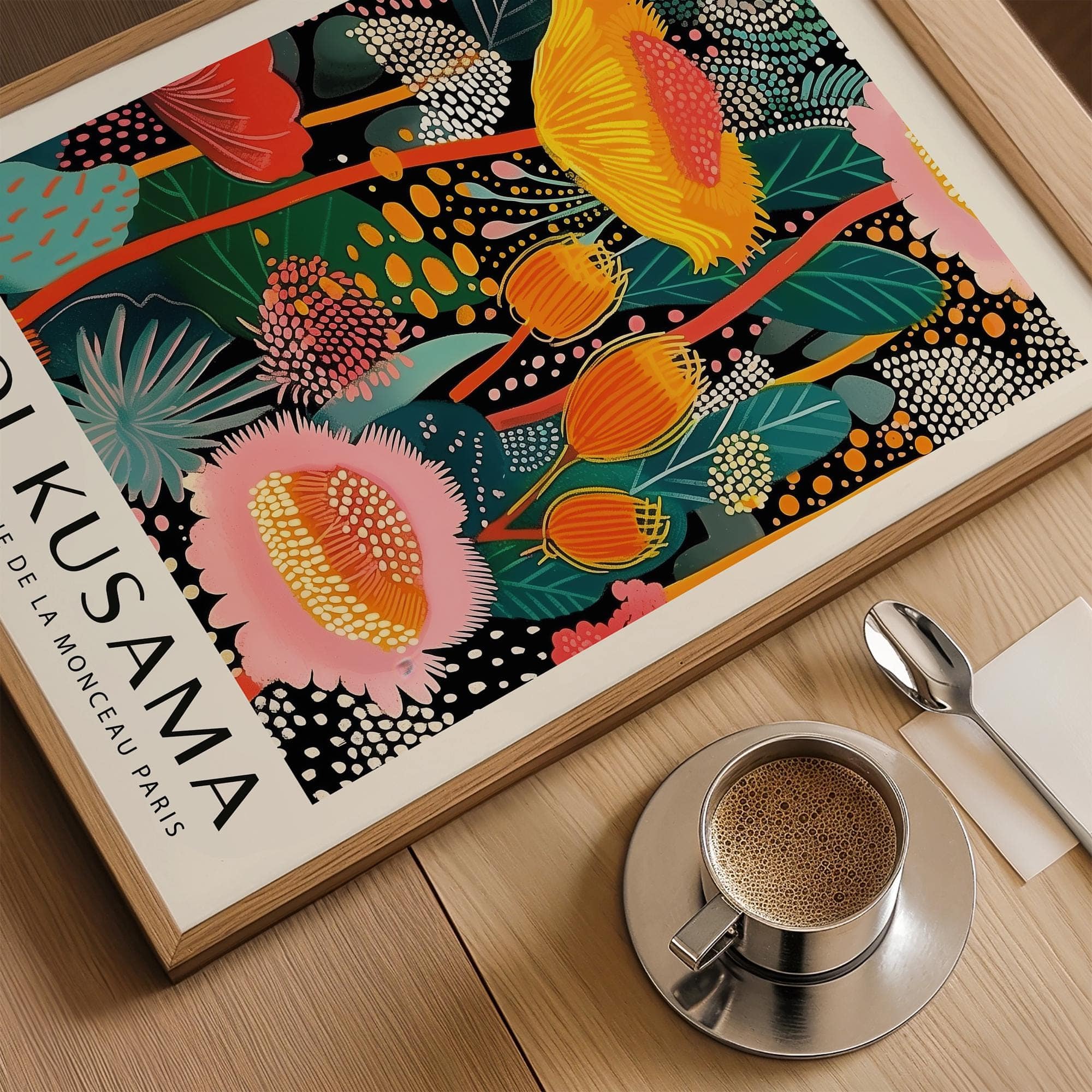
Japanese flower art, known as ikebana, is more than a visual art form. It's a centuries-old practice rooted in mindfulness, symbolism, and a deep respect for nature. Unlike traditional Western floral design that often emphasizes volume and color, ikebana is focused on shape, line, space, and form. Every stem and bloom has a purpose, and every angle holds meaning.
Ikebana Flower Arrangement
The term ikebana means "to make flowers alive." It's a Japanese art that dates back to the 6th century when floral offerings were made during Buddhist rituals. Over time, ikebana flower arrangement evolved into a disciplined art form practiced by both artists and everyday people who find peace in arranging flowers with intention and balance.
Japanese Flower Arrangements
In Japanese flower arrangements, nature is not just recreated—it's respected. The arrangement often reflects the current season and includes asymmetry, negative space, and a minimal use of materials. This simplicity allows the viewer to appreciate the unique characteristics of each element.
Ikebana Flower Arranging
Ikebana flower arranging uses a precise approach. Artists often work with three main stems to symbolize heaven, earth, and humanity. The art is less about floral abundance and more about the relationship between the elements and the space around them. Tools like the kenzan, or flower frog, are used to support the stems in a fixed position.
Flower Arranging
The philosophy of flower arranging in Japan is centered on inner reflection and natural beauty. While ikebana is the formal discipline, flower arranging in a broader sense has become a form of self-expression, creativity, and a connection to the rhythm of nature.
Japanese Art
Ikebana is considered a branch of Japanese art that shares values with other traditional practices such as the tea ceremony and incense appreciation. These art forms emphasize stillness, mindfulness, and harmony. Each floral design is both a sculpture and a silent poem.
Flower Arrangements
Japanese flower arrangements are designed to evoke emotions and meaning. The combination of flowers, branches, and leaves in a container tells a story. The final arrangement is as much about what’s left out as what’s included. The absence of blooms is often as powerful as their presence.
Floral Arrangements
Floral arrangements in ikebana are created with attention to balance and natural movement. A single pretty leaf or a crooked branch might play a central role. Unlike Western bouquets, floral arrangements in this art form are not meant to be symmetrical or uniform.
Ikebana Inspired Arrangements
Today, many floral designers create ikebana inspired arrangements that blend the old with the new. These styles maintain ikebana’s basic principles while incorporating modern materials and containers. Some designers even include dried flowers to highlight the contrast between life and decay.
Japanese Flower
The choice of a Japanese flower in an arrangement is never random. Cherry blossoms, irises, camellias, and chrysanthemums are just a few examples, each carrying deep cultural meaning. Flowers are selected not only for their beauty but also for their symbolism and connection to the season.
Ikebana Inspired
Being ikebana inspired doesn't always require a formal background. Even casual arrangements can reflect the values of this tradition by using natural materials, paying attention to lines, and creating a sense of harmony between the elements and the space they occupy.
Buddhist Belief
Ikebana has roots in Buddhist belief, especially in how it connects beauty to impermanence. Flowers are seen as offerings, and arranging them becomes a meditative act that aligns the artist with nature, life, and spiritual clarity.
Japanese Floral
The Japanese floral approach is guided by simplicity, intention, and natural elegance. It encourages us to explore the different meanings that flowers, stems, and branches can convey when brought together in a thoughtful way.
Basic Principles of Ikebana
The basic principles of ikebana include asymmetry, balance, depth, and line. These elements work together to reflect the harmony found in nature. The use of line draws the eye and gives structure, while negative space offers breathing room within the design.
Modern Ikebana
Modern ikebana is evolving. Artists are incorporating non-traditional materials, glass vases, and even found objects into their designs. While the philosophy remains intact, the forms are expanding, offering new ways to express beauty and creativity.
Fine Art Meets Nature
Ikebana is often displayed in galleries as fine art. Each piece is unique and reflects a moment in time. The fresh flowers used may wilt within days, but the impression they leave remains. This ephemerality is part of its power.
Your Own Ikebana Practice
Creating your own ikebana can be a calming and enriching experience. Start with a small bud vase, a single flower, and a few stems. Focus on the lines and space. Let the flowers guide your decisions, and remember that less is more.
Flower Frog: A Hidden Tool
The flower frog, or kenzan, is a spiked base that holds flowers upright without foam or tape. This tool is essential in many ikebana arrangements and allows artists to position each stem exactly where they want it.
Seasonal Changes in Design
Ikebana reflects seasonal changes. Spring might bring cherry blossoms and light colors, while summer includes bold leaves and vivid blooms. Autumn arrangements feature dried grasses and branches, and winter compositions may use pine and bamboo to represent endurance.
Incense Appreciation and Tea Ceremony
Ikebana is often linked to other cultural practices like incense appreciation and the tea ceremony. All three require mindfulness, discipline, and a reverence for beauty in small moments.
Wabi Sabi and the Art of Imperfection
Wabi sabi is a Japanese notion that celebrates imperfection, transience, and authenticity. In ikebana, this is seen in the use of uneven stems, broken branches, and asymmetrical designs. Beauty lies in the unexpected and the flawed.
Natural Materials and Their Meaning
Ikebana uses a variety of natural materials—wood, stone, water, and plants. Each element is chosen not just for its appearance but for what it represents. Bamboo may symbolize strength and flexibility; a drooping flower might suggest humility.
Creativity Within a Disciplined Art Form
Though ikebana is a disciplined art form, creativity is essential. Practitioners explore new shapes, styles, and materials while respecting tradition. This balance between structure and freedom is what keeps ikebana vibrant and evolving.
Classes and Learning Opportunities
Many schools and community centers offer classes in ikebana. Whether in Japan or abroad, these classes teach the foundations of arranging flowers in the traditional way, often guided by a certified instructor.
Displaying Ikebana
Ikebana arrangements are often displayed in quiet corners, entryways, or on tokonoma (alcoves) in Japanese homes. The goal is not to overwhelm but to create a point of reflection that brings nature indoors.
The Role of Line and Space
In ikebana, line and space are as important as the flowers themselves. A curved stem might lead the eye through the arrangement, while an empty section of the container can create balance and calm.
Bamboo and Basket Containers
Traditional ikebana often uses bamboo containers or woven baskets. These natural vessels complement the organic materials inside and enhance the overall harmony of the arrangement.
From China to Japan
Though ikebana is uniquely Japanese, its origins trace back to China, where early flower offerings influenced the development of Japanese flower arranging. Over time, the art form took on its distinct character, shaped by Japanese aesthetics and spiritual beliefs.
Practicing Mindfulness Through Flowers
Arranging flowers can be a mindfulness practice. The act of selecting, trimming, and placing each element requires presence. It's a way to slow down, appreciate beauty, and connect with the natural world.
Summer in a Vase
A summer ikebana arrangement might feature sunflowers, green stems, and airy branches. It reflects the brightness and energy of the season while keeping to the art's quiet and balanced nature.
Exploring Japanese Floral Art
To explore Japanese floral art is to understand how deeply culture, philosophy, and environment influence creativity. Ikebana is not just about flowers—it's about seeing life more clearly, with intention and gratitude.