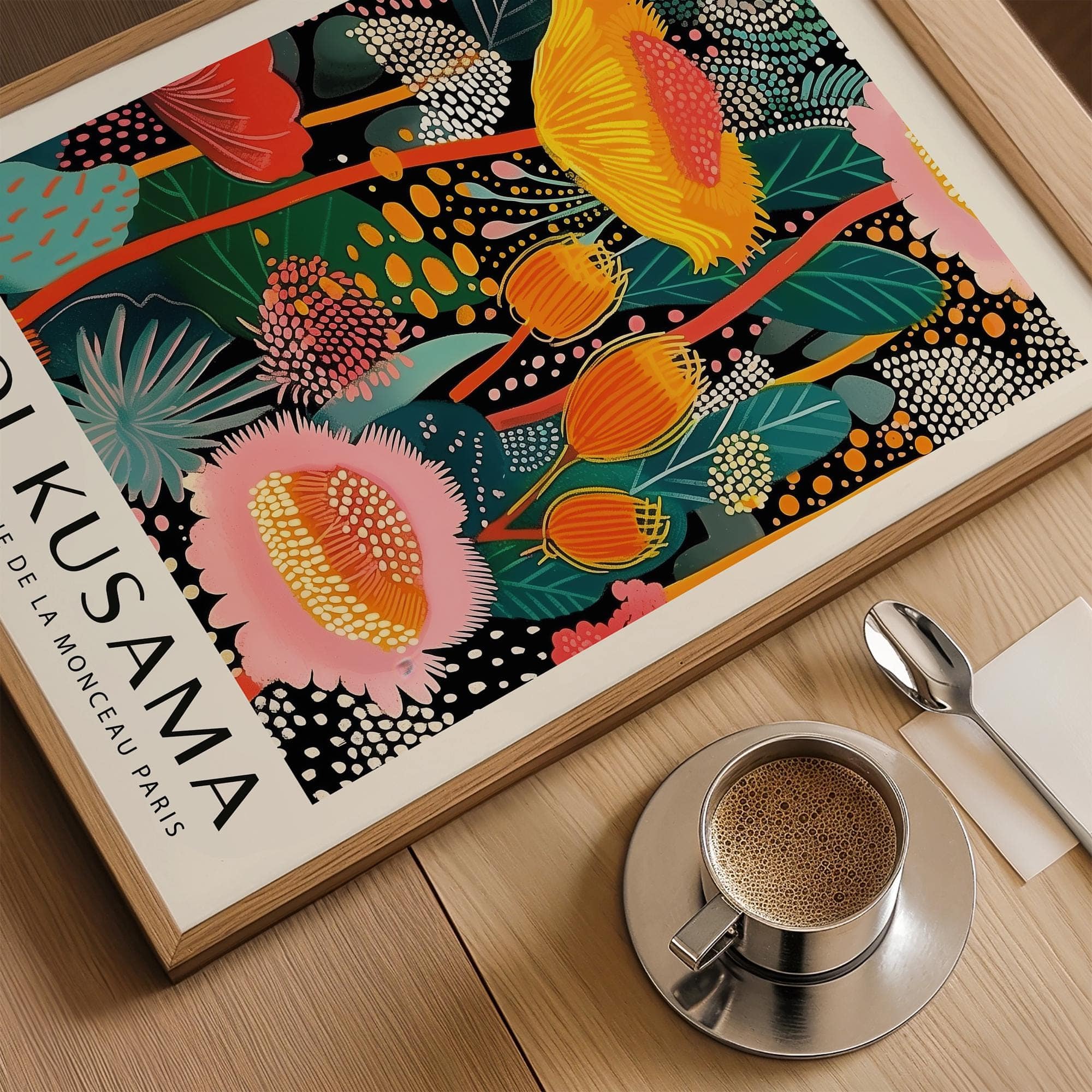
Contemporary Art
In contemporary art circles, japanese pop art bridges playful popular imagery with deeper cultural ideas. It draws from both traditional japanese art and the hyper‐kawaii contemporary pop culture of tokyo. That mix speaks to high and low art, merging pop culture icons with fine art sensibilities in surprising ways.
Japanese Art
The japanese art scene has long balanced traditional japanese culture, like ukiyo‑e and ink paintings, with bold new forms. Today’s japanese art landscape pairs modern art fans with collectors of fine art rooted in history, creating a vibrant dialogue across time and medium.
Takashi Murakami
As a leading figure in this movement, takashi murakami fuses japan pop art with traditional japanese art. Through his superflat movement style, he collapses depth and layers of meaning into flat, vivid surfaces. His practice embodies high and low art and draws on western influences, like andy warhol, as much as anime and manga.
Japan Pop Art
Japan pop art often nods to contemporary pop culture, with bold colors, repetitive motifs, and cute characters. These artworks reflect traditional japanese culture and the rise of japanese subculture across both local and global audiences.
Pop Art
While pop art in the West celebrated consumerism and media, the Japanese variation often includes symbolic shading and cultural commentary. It’s art that engages with music, fashion, anime, music videos, and even the luxury world of louis vuitton.
Japanese Pop
Japanese pop in visual art connects to popular media, fashion, album covers, and manga iconography. It influences not only what people hang on walls, but also what they wear, watch, and stream in contemporary japan.
Fine Art
Collectors of fine art around the world now collect museum‑caliber pieces that originate from Tokyo’s streets. These works still reference low art forms, but they reach global prestige, and they’re respected in galleries and museums.
Superflat Movement
Murakami’s superflat movement intentionally blurs fine and low art. He builds flat compositions full of adorable figures, echoes of anime, and pop consumerism. It became an aesthetic manifesto for contemporary art in Japan and resonates across a range of media, from drawings to large‐scale paintings and sculptures.
Louis Vuitton
Murakami’s collaboration with louis vuitton and designer marc jacobs helped bring japanese pop art to the fashion world. His iconic flower motifs appeared on handbags and accessories, exposing high fashion to the japanese art scene and granting international recognition.
Yayoi Kusama
While Murakami dominates the superflat movement, yayoi kusama ranks among other artists who shaped japanese pop art and contemporary art. Her polka dots and immersive installations explore repetition, obsession, and the sublime, melding modern art with pop culture playfulness.
Kaikai Kiki
Murakami founded the collective kaikai kiki, which mentors emerging artists. Their artworks, films, poster art, album covers, sculptures, and more reflect a shared aesthetic steeped in zany pop culture. This support system strengthens the global reach of japanese artist communities.
Elements of Japanese Pop Art
Paintings & Drawings
Bold outlines, flat color, and precise composition define paintings and drawings in this field. They display cute motifs, manga styles, and traditional japanese culture iconography reimagined.
Sculptures & Installations
Immersive installations and sculptures push the boundaries of two‑dimensional work. Artists like Murakami and Kusama create encyclopedic environments that encompass music videos, merchandise, and interactive art that invites viewers into pop culture worlds.
Museums & Galleries
Major museums in paris, New York, and Tokyo now host exhibitions of japanese pop art. Galleries show how this movement reflects both western influences and deeply rooted japanese art traditions. The global art market has embraced works by Murakami, Kusama, and other artists.
Inspiration & Influence
The movement draws inspiration from anime, manga, streetwear, music, album art, and even children’s toys. Artists reflect on traditional japanese art techniques, while also tapping the energy of japanese subculture and global digital imagery.
Writing and Collectors
Writers, curators, and collectors provide cultural commentary on how this art scene bridges high and low art. They examine how Murakami’s collaborations with louis vuitton and Kusama’s installations redefine what counts as fine art.
Inspiration & Personal Connection
Many japanese artist success stories come from those with a strong personal connection to Japan’s cultural tension between traditional roots and digital pop expression. For some, childhood exposure to manga, anime, album covers, or music videos sparked artistic vocations. This fusion, traditional japanese art meets japanese pop art, yields ever‐evolving artworks rooted in traditional japanese culture but aimed at a global audience. Emerging artists expand on Murakami’s superflat movement, exploring new forms, digital art, posters, immersive rooms, and collaborations with brands.
Global Impact & Recognition
Japanese pop art now commands serious investment on the global art market. Works by Murakami and Kusama fetch six or seven‑figure sums. Collaborations with brands like louis vuitton and shows in galleries from Tokyo to paris fuel its rise. Collectors and museums around the world continue to exhibit these pieces, tracking how the aesthetics of pop art and contemporary pop culture align with global trends in design, fashion, and media.
Superflat Movement Revisited
Murakami’s superflat movement emphasizes flatness both visually and culturally. It rejects hierarchical distinctions between elite fine art and mass‑market low art. You see that in the bright, cartoon‑style paintings, the playful sculptures, and the slick collaborations. Influenced by andy warhol, yet rooted in traditional japanese art and japanese subculture, Murakami’s work shows how contemporary japan thrives through hybrid forms.
Louis Vuitton & High Fashion
The partnership between Murakami and louis vuitton, engineered by marc jacobs, stretched the boundaries of pop art. Vuitton bags printed with Murakami’s flowers became iconic symbols of japanese pop art in fashion. This crossover injected Murakami’s fine art ethos into mainstream style. It signaled that global art market interest now spans both galleries and high‑end retail.
Yayoi Kusama’s Vision
Kusama’s art interweaves pop culture forms with meditative repetition. Her immersive installations, rooms covered in dots and mirrors, bring children and adult viewers into surreal spaces. Her approach standardizes repetition as both psychological and aesthetic device. Kusama’s influence parallels Murakami’s: both artists draw inspiration from anime, nostalgia, traditional japanese art, and contemporary art trends.
Kaikai Kiki’s Community
Through kaikai kiki, Murakami has created a platform to create and showcase new voices. It’s more than a studio, it’s a cultural incubator. Emerging artists produce prints, posters, sculptures, and drawings under its umbrella, with support for exhibitions, collaborations, and brand projects that reach international recognition.
Conclusion
Japanese pop art rests at the intersection of traditional japanese art, pop culture, and contemporary art. Murakami’s superflat movement and Kusama’s immersive work show how high and low art collide in the global spotlight. From art galleries in paris to louis vuitton boutiques worldwide, this movement shapes how we see japanese art today. It inspires collectors, kids, and fans of anime alike, letting art reflect culture and culture reflect art.