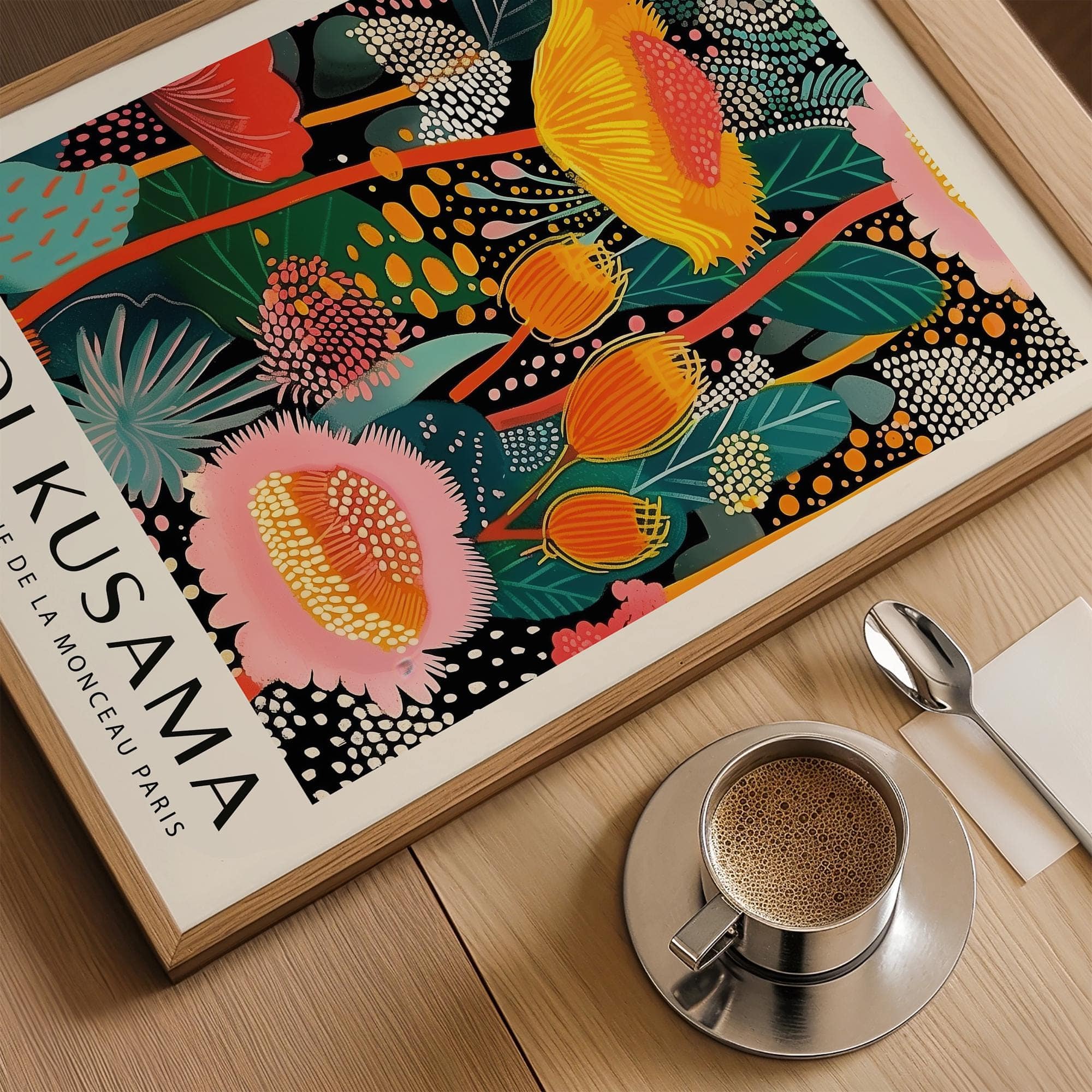
Oriental artwork reflects the depth and richness of cultures spanning across Asia. This artistic tradition weaves together the past and the present, capturing stories through brush, ink, stone, and paper. Whether you're drawn to the flowing lines of a Japanese woodblock print or the intricate detail of Chinese art rendered in opaque watercolor, there's always more to explore.
Chinese Art
Chinese art is one of the world's oldest and most influential art traditions. From ancient jade carvings to Song dynasty scroll paintings, its evolution is tied closely to the nation's history and values. Many works emphasize harmony between people and nature, often using materials like ink, paper, silk, and stone.
The technique of opaque watercolor, also known as gouache, became a vital part of traditional painting. It allowed artists to highlight color and detail in ways that made objects appear almost tangible. Chinese artists often worked within philosophical and spiritual frameworks, including Confucianism and Taoism, producing art that wasn't just beautiful, but meaningful.
Many pieces, especially those found in major museum collections, feature symbolic motifs such as dragons, plum blossoms, and cranes. These symbols connect viewers to the cultural roots of China while also highlighting the personal vision of the artist.
Oriental Art
Oriental art extends beyond China to include artistic traditions from Japan, Korea, and parts of the Islamic world. Though diverse, these cultures share a deep respect for craftsmanship and storytelling.
In Japan, woodblock printmaking became an iconic form of expression. Artists like Hokusai and Hiroshige used this medium to capture everyday life, landscapes, and nature. The combination of color and detail in a woodblock print is both deliberate and expressive, revealing how art can transform simple materials into powerful scenes.
The Islamic world contributed ornamental designs, calligraphy, and geometric patterns that still inspire contemporary artists today. These pieces often served both a decorative and spiritual purpose, using ink and gold to create dynamic yet balanced compositions.
Despite regional differences, one unifying theme in oriental art is the way it connects ancient traditions with the present. These works continue to influence modern creators, proving that the past is never far behind.
Wall Art
Bringing oriental artwork into your home adds more than color, it introduces history, culture, and conversation. Whether you're curating a gallery wall or seeking a single standout piece, there's no shortage of options.
Consider prints that showcase detailed brushwork or scenes from ancient tales. Many works on paper offer glimpses into everyday life across Asia, turning your space into a window to another world. Art inspired by the Islamic world or featuring motifs from Japan adds variety to your collection.
Oriental wall art is also highly accessible. Modern printing techniques make it easier than ever to bring museum-worthy pieces into your home. Whether it's a vivid woodblock print or a quiet ink landscape, these artworks can transform your space with a touch of the past and a lot of personality.
Explore the World Through Art
Oriental artwork opens up a world of visual storytelling. It spans centuries, crosses cultures, and brings people closer to the beauty of shared human experiences. As artists from Asia to America continue to draw on ancient influences, the global art world becomes more interconnected.
From opaque watercolor on delicate paper to inked impressions on carved wood, the materials used are as meaningful as the art itself. These objects tell stories, not just of the cultures they represent, but of the people who created and preserved them.
As you explore the world of oriental art, you'll find that every piece offers a new way to see the past, the present, and even your own home.