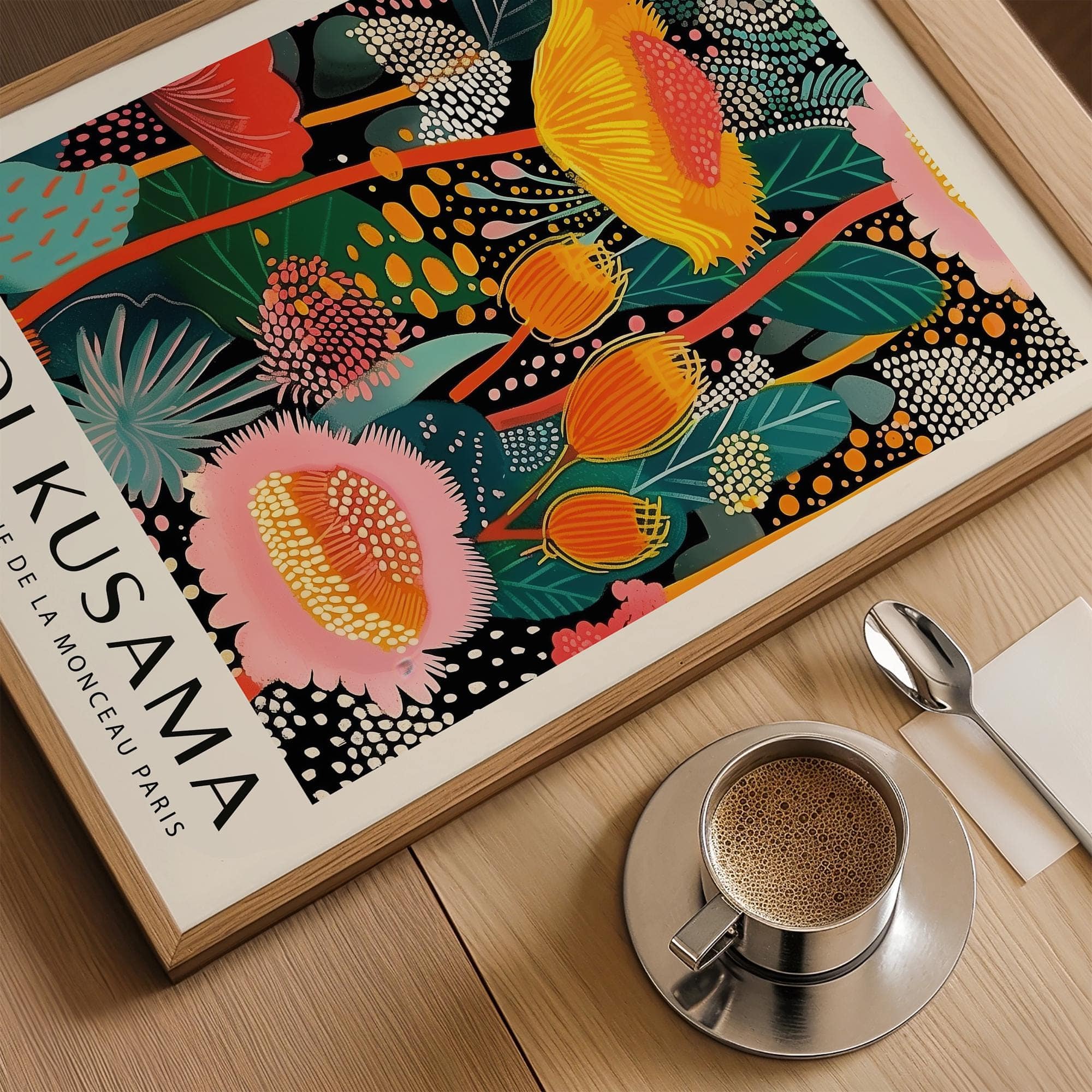
Paper Sizes Poster
A paper sizes poster is a vital reference tool for anyone involved in poster printing, graphic design, or marketing. It offers a visual and informational overview of standard sizes, paper formats, and corresponding dimensions used in the printing industry. A well-designed poster sizes chart or visual can save ample time when planning poster prints for retail displays, printed materials, promotional materials, or decorative purposes. Whether you’re producing custom poster prints or planning a printed project for trade shows, knowing the exact dimensions is key for a smooth, high quality printing process.
These posters typically include images, sheet sizes, and both metric and inches size conversions. They illustrate how poster sizes increase by geometric mean multiples, where each size is twice the size or one quarter the area of another, depending on the series. The paper sizes poster may also contain brief notes on glossy finish, non reflective coatings, and suitable paper types for indoor use or outdoor advertising.
Custom Poster
Opting for a custom poster enables designers and marketers to go beyond standard sizes or templates. Whether you’re planning a unique display for a small business or want to create professionally printed posters for community events, customizing the format, dimensions, and design elements is essential. Custom poster printing offers the flexibility to match the intended space, the right paper size, and the overall visual impact required to attract attention in high traffic areas. Common standard sizes are readily available from most printers and are often cost-effective, making them a practical choice for many projects.
With custom poster services, you can tailor images, photos, colors, and even choose between glossy paper or matte options with a smooth finish. Print posters that reflect your specific needs by specifying custom paper sizes or unique dimensions not found in standard poster sizes charts. This is especially useful when working within unique retail displays, rigid display frames, or needing a slightly smaller or larger size for specific venues.
Custom Poster Printing
Custom poster printing is the process of creating print posters with client-specified requirements in terms of poster size, image quality, paper type, and finishing options. Printing firms often offer custom poster printing packages for marketing agencies, artists, and small businesses, allowing for the selection of various paper types and sheet thicknesses to achieve a professional look. Large format machines are commonly used for these jobs, ensuring high quality paper prints whether the need is for foam board mounting, lamination adds for durability, or a particular glossy finish.
This flexibility extends to color management and file setup as well. Most custom poster printing companies recommend clients submit images or artwork at the highest possible resolution for crystal-clear poster prints. The process includes consulting on the right paper size, whether it’s a medium poster size or formats larger than B0 or 24 x 36 inches size. These services often support both North American paper sizes and ISO paper sizes to fit international and local needs.
Art Prints
Art prints are reproductions of artworks or photographs, produced on high quality paper or canvas using advanced printing techniques. For artists and collectors, art prints are a cost-effective way to display or sell their creations in several poster sizes. The choices for printing art prints include glossy paper for a high shine effect or matte paper for non reflective, museum-style finishes. Photo posters (16 x 20 inches) are ideal for art prints and large-scale photography. Movie posters (27 x 40 inches) are typically designed to feature minimal graphics and large text for clear visibility. When planning an art print as a printed project, pay careful attention to the original dimensions of the artwork and choose the best matching paper size for true-to-life poster prints.
Art prints often serve decorative purposes in homes, galleries, or offices and may be part of promotional materials or retail displays. Selecting the appropriate poster size and paper type ensures the colors, images, and details of the original art are faithfully reproduced, while providing durability for long-lasting enjoyment.
Medium Poster Size
The medium poster size is ideal for projects needing a balance between ample space for images and text and the practical need to fit within elevators, classrooms, or office doors. Typical medium poster size dimensions include 18 x 24 inches and 16 x 20 inches, both offering enough room for vibrant images or photos, clear typography, and promotional messages. Medium posters are best for event promotions and art prints. These sizes are considered among the most common poster sizes, making them a top choice for community events and small business marketing campaigns.
When selecting the medium poster size, pay special attention to paper type and finish. A smooth finish with either a glossy paper or a non reflective matte coating can help your display stand out or reduce unwanted glare in brightly lit indoor use environments.
ISO Paper Sizes
The ISO paper sizes system is the international standard used by most of the world except the United States and Canada. It is based on the geometric mean ratio, where each consecutive size is half the previous sheet’s area but maintains the same proportions. The A series is the best known part of the ISO paper sizes, with A0 measuring exactly one square meter and each additional size (A1, A2, A3, etc.) being half the size of the previous. The A0 size has an area of 1 square meter and dimensions of 841 mm x 1189 mm. International paper sizes are governed by the ISO 216 standard, which includes the A, B, and C series.
The B series and C series complete the international system, providing formats larger or slightly smaller than the A series. ISO paper sizes are common in poster printing, especially for international standard print posters, architectural drawings, and outdoor advertising. Their mathematical basis means you can easily scale up or down for printed materials, and ISO paper sizes charts are often a central part of any poster sizes poster reference. The dimensions of B0 size are defined as 1000 mm in width and √2 m in height.
Glossy Paper
Glossy paper is a favorite choice for poster prints, art prints, and photographs thanks to its high shine and vibrant color reproduction. The glossy finish enhances images, making colors pop and giving posters a premium, professionally printed posters appearance. However, one common consideration is glare: glossy paper can reflect light strongly, so for posters placed in high traffic areas or under direct lighting, a non reflective or glare free coating might be preferred.
Glossy paper is available in a variety of paper sizes and types, suitable for everything from small poster prints for trade shows to large format promotional materials. Many poster printing companies offer glossy paper as an option for both indoor use and outdoor advertising, recommending lamination adds for extra durability in challenging environments.
Foam Board
Foam board is a lightweight, rigid display substrate often used to mount print posters for presentations, retail displays, and promotional materials. This material is popular because it provides ample support for large format poster prints without adding much weight. When you print posters for community events, trade shows, or everyday use in stores, foam board delivers a professional look and helps images stay flat and undistorted.
Foam board comes in standard poster sizes, including the well-known 24 x 36 inches size and other formats. Its versatility also allows for custom poster sizing or the use of smaller sizes for table-top displays. Mounting a poster on foam board is often the final step in creating professionally printed posters suitable for both indoor use and high traffic areas.
International Standard
International standard poster sizes are based on ISO paper sizes, making them universally recognized for consistency across borders. The standardization ensures that prints, images, and printed materials produced in Europe, Asia, Africa, or South America will fit the same number of display frames and folders as those produced in another country. This is especially useful for companies with global marketing campaigns or artists distributing art prints worldwide.
International standard sheets facilitate easy scaling for large format and medium poster size projects. Because each poster size is twice the size or half the area of the next, resizing images and photos for print is simplified. Poster prints meant for international standard applications should always be checked against the ISO chart on a comprehensive paper sizes poster.
B Series
The B series forms a key part of international paper sizes and provides formats larger than the A series but not excessively so. For instance, a B1 sheet fits between an A0 and an A1 sheet in terms of area. The B series is especially useful in poster printing where common poster sizes like A0 may be too large but A1 too small for display needs. Dimensions in the B series are derived from the geometric mean between A sizes, offering a sensible compromise and additional options on your paper sizes poster. The B series paper sizes are based on the geometric mean of consecutive A series sizes.
B series sheet sizes are also popular for art prints, architectural work, and trade shows. The extra surface area provides ample space for complex design elements, text, and high resolution images while still fitting standard display frames. As with other series, prints on B sizes can leverage glossy paper for a sleek appearance or choose matte finishes to reduce unwanted shine.
24 x 36
The 24 x 36 inches size is among the most common poster sizes in North America, widely regarded as the movie poster size of choice. This large format standard is ideal for both indoor use and outdoor advertising, offering ample space to display impactful images, photos, and promotional messages. The 24 x 36 format is also frequently used for foam board mounted display at trade shows or as wall posters in schools and workplaces. Bus stop posters (40 x 60 inches) are designed to be visually impactful from both close and far distances.
Because the 24 x 36 poster size incorporates a familiar aspect ratio, resizing images or combining two columns of text and graphics is straightforward. This makes it perfect for custom poster printing, event announcements, and visually arresting retail displays seeking to attract attention in high traffic areas.
Common Poster Sizes
Understanding the most common poster sizes is essential for planning a successful printed project. Poster printing professionals frequently recommend referencing a paper sizes poster to select from commonly used dimensions such as 11 x 17, 18 x 24, and the aforementioned 24 x 36 inches size. These are considered standard sizes within the printing industry, offering enough flexibility for everything from art prints to promotional materials.
While international standard sizes (A series, B series, C series) dominate outside North America, U.S. and Canadian businesses often opt for sizes like 22 x 34 or 27 x 40 for movie poster size displays, making it crucial to distinguish between international paper sizes and North American paper sizes on any paper sizes poster reference. These common poster sizes cater to a range of applications, from community events to large format retail campaigns.
C Series
The C series is designed for envelopes and folders that can snugly contain A series prints, but it enjoys usage in poster printing whenever a slightly smaller or larger size is needed for display or mailing. C series papers, like C2 or C1, are calculated using geometric mean ratios, just like A and B, and can be seen as an “in-between” option-especially helpful for art prints requiring precise fit or posters that need to avoid unnecessary folds or gaps in retail displays.
On a paper sizes poster, the C series is marked alongside A and B, ensuring anyone planning a printed project can match poster prints, foam board mounts, or promotional materials to the correct envelope or display without guesswork. Choosing the appropriate series guarantees a professional look and prevents costly errors in poster printing or custom poster orders.
11 x
The 11 x series of sheet sizes-specifically 11 x 17 inches-serves as a compact alternative among poster sizes. Often used for table-top displays, event flyers, and small business announcements, the 11 x size is highly effective when space is limited but visual impact is still desired. It provides room for crisp images, compelling images, and concise messaging, all at a fraction of the printing and mounting cost of larger sizes. Heavier paper weights like 120+ gsm are recommended for medium, large, or movie posters to ensure durability and a professional finish.
This format is typically printed on either glossy paper for vibrant image reproduction or uncoated high quality paper for a professional, glare free look. The 11 x poster prints are perfect for everyday use and are frequently referenced alongside larger size options on the paper sizes poster in print shops and office supply stores.
Poster Printing For Retail Displays And Trade Shows
Poster printing plays a crucial role in catching the eye at retail displays and trade shows. Large format prints, foam board mounting, and vivid images help brands attract attention in high traffic areas. Companies often utilize custom poster printing to ensure dimensional consistency with branding and messaging. Standard sizes such as 24 x 36 or 18 x 24 are popular for trade shows, but foam board mounting on B series or C series sheets offers added professionalism and display rigidity.
In preparing poster prints for these environments, it’s important to consider the right paper size, paper type, and whether to use glossy finish or non reflective options. Printing industry experts recommend using high quality paper and images with high resolution, since you need to balance professional look and cost-effectiveness, especially for small business campaigns with frequent poster changes.
North American Paper Sizes Versus International Paper Sizes
When creating or selecting poster prints, it’s vital to distinguish between the formats of North American paper sizes and international paper sizes. North American standards-such as the movie poster size (27 x 40 inches), 24 x 36, or 11 x 17-use inch-based measurements and are the default in the U.S. and Canada. North America primarily uses ANSI standards for paper sizes, differing from ISO standards.
International standard paper sizes (ISO), including the A, B, and C series, use metric dimensions. Each series provides a predictable geometric progression, with each size being half or twice the size of the adjacent ones. The difference is critical for custom poster printing, as a poster created on international paper sizes may not fit North American display frames without adjustment. Always double-check your intended region’s paper sizes before submitting a printed project for production.
Glossy Finish And Lamination Adds For Professional Look
Choosing a glossy finish for your poster prints can give them a high shine, making images and text look crisp and eye-catching. Glossy paper is a staple for movie poster size prints and art prints intended for indoor use, but its high shine may result in glare under certain lighting conditions. To counter this, some print posters may opt for lamination adds with a non reflective or glare free finish, especially important for posters displayed under spotlights or in window displays.
Lamination not only reduces glare but also increases durability, making poster prints suitable for high traffic areas or outdoor advertising. The right finishing touches, be it glossy finish, matte lamination, or specialty coatings, can make the difference between an ordinary printed project and professionally printed posters that attract attention.
Printing On High Quality Paper And Glossy Paper Types
When producing poster prints, selecting the right paper type is as important as choosing the correct poster size or dimensions. High quality paper ensures sharp reproduction of images, smooth finish for fingertip appeal, and durability for repeated handling or display. Options include traditional glossy paper for vibrant color and high shine, as well as matte, silk, or uncoated paper types for a subtler, professional look.
Always match the paper type to the planned use. For outdoor advertising, opt for thicker, weather-resistant stocks. For indoor use in retail displays, thin but sturdy glossy paper or foam board backed posters are often the top choice. Printers offering custom poster printing will suggest the best option for your specific project, balancing cost, durability, and appearance.
Large Format Posters: Size Considerations And Display Strategies
Large format poster printing is all about scale. Standard sizes like 24 x 36 or B1 allow for images and text to be seen clearly from a distance, making them ideal for trade shows, retail displays, and outdoor campaigns in high traffic areas. However, larger size posters require ample space for mounting and may necessitate rigid display support, such as foam board or aluminum frames.
When printing at large format, always use high resolution images and adjust design elements to avoid pixelation. The sheets used for large prints are typically thick, high quality paper types or specialized glossy paper stocks. These ensure poster prints remain flat, avoid curling, and retain their professional look through miles of public viewing.
Print Posters For Community Events And Small Business Marketing
Community events and small business promotions benefit from well-designed print posters in standard and custom sizes. The process begins with choosing the right paper size-medium poster size for bulletin boards, or 24 x 36 for maximum impact at entrances. Glossy paper enhances images and attracts attention, while foam board mounting ensures your message remains visible and undamaged, even in high traffic areas.
Print posters are also cost-effective for small businesses aiming for wide distribution on a limited budget. Use photos and bold imagery, stick to standard sizes for lower production costs, and leverage lamination adds if your posters will be reused multiple times. Custom poster printing is widely available for orders of all sizes, providing flexibility for every marketing plan.
Images, Photos, And Design Elements For Printed Posters
Images and photos play a central role in poster printing, serving as the focal point of your message. Crisp, high-resolution images and thoughtfully selected design elements help your poster stand out. When creating professionally printed posters, maintain the geometric mean proportions required by the chosen paper size to avoid unwanted cropping or distortion.
Posters created with two columns of images and text can efficiently use space and convey lots of information without overwhelming the design. For all printed materials, use the same number of color channels and maintain consistent image quality throughout the printed project. Always proof print a test version before committing to a large print run-sheets may look different after printing, depending on paper types and finishes used.
Understanding Dimensions And Sheets For Poster Prints
Checking dimensions is one of the most crucial steps in the poster printing process. Poster sizes posters usually list common dimensions in inches and millimeters, such as 11 x 17, 18 x 24, 24 x 36, and ISO standards like A1 (594 x 841 mm). Always confirm the inches size or metric size required for your venue, as using a slightly smaller or larger size can have functional and visual impacts.
The term sheets refers to the flat, uncut pieces of high quality paper or specialty substrate used in print. Each printed poster is originally part of a larger sheet, cut or trimmed to fit the final dimensions as needed. Understanding how many posters fit on one sheet is also useful for budgeting larger print runs, especially for small business projects or community event campaigns.
Movie Poster Size And Other Large Standard Sizes
The movie poster size is frequently listed as 24 x 36 or 27 x 40 inches in North American paper sizes. These large formats are preferred for their ability to attract attention and showcase high-impact images, especially in retail displays or outdoor advertising. Allied sizes include ISO B1 and A0, which feature in international paper sizes as alternatives for global film releases or multinational promotional campaigns.
Movie poster size prints often use glossy paper with a high shine for dramatic effect, but matte or semi-glossy paper is increasingly chosen to reduce glare in bright venues. Whatever the finish, maintaining accurate image dimensions and high resolution is key for a professional look in these formats larger than a standard sheet.
Trade Shows: Print Posters And Banners That Attract Attention
Trade shows demand affordable, high quality poster prints and banners that attract attention quickly. Successful exhibitors often choose large format prints mounted on foam board, B series, or custom poster sizes to make the most of available booth space. Two columns designs with ample space for images and copy work very well at trade shows, where rapid information intake is critical for visitors.
Glossy finish is especially popular at trade shows, as it reflects exhibition lighting for extra brilliance. Use lamination adds for outdoor or high traffic areas to prevent scuffing and fading. All posters used at trade shows should match the same number of brand colors and design elements to ensure every printed project reinforces your visual identity.
Choosing The Right Paper Size And Paper Type For Every Poster
Every poster printing job begins by choosing the right paper size. Assess where your poster will be displayed, who will see it, and the purpose-community events, retail displays, or trade shows. For indoor use, standard sizes such as 11 x 17 or 18 x 24 are often sufficient, while outdoor advertising may require the larger size 24 x 36 or even B0.
Then, pick the correct paper type-glossy paper for photographs and vibrant colors, semi-gloss or matte for a professional look that reduces glare, or specialty stock for rigid display. Combining proper paper types with exact dimensions helps ensure your printed project delivers impactful results within budget and time frames.
Why Sheet Size And Geometric Mean Matter In Poster Sizing
Sheet size and geometric mean are essential concepts in poster printing, particularly when using ISO paper sizes. The geometric mean allows each larger paper size to be exactly twice the size of the previous (or half the previous if going smaller), which means posters can be easily scaled, folded, or combined with the same number of original image proportions.
For instance, A2 is one quarter the size of A0 and half of A1. This mathematical predictability means that when you print posters for international distribution, the final result matches local frame and folder standards, avoiding costly mistakes and ensuring that every image, half sheet, and display deploys perfectly across all venues.
Printing Industry Best Practices: From Design To Print Posters
The printing industry recommends best practices such as using images with print-ready resolution, exporting PDFs in the right paper size, and sticking to standard sizes where possible to minimize waste and expense. For custom poster printing, always clarify the dimensions, paper type, and finish options before sending images to production. Glossy finish and foam board mounting should be specified during the ordering process, especially for posters destined for trade shows or retail displays.
Every printed project benefits from a careful proofing process-test print your poster before the full run, review for color accuracy, fit, and image clarity. Consistency across all poster prints, be it professionally printed posters or small format bulletin board notices, is key to looking polished and attracting attention.
Comparing Smaller Sizes And Large Format Options For Display
Smaller sizes like 11 x 17 are excellent for one-on-one communication in classrooms, offices, and community events, while large format poster sizes like 24 x 36 or B1 step up for maximum visibility in busy or outdoor locations. The choice depends on available display space, viewing distance, and required visual impact. Large format posters may employ foam board or rigid display mountings, while smaller sizes focus on cost-effective glossy paper finishes and smooth finish lamination for extended indoor use. Thicker paper is less prone to tearing and bending, making it ideal for display purposes.
Other formats such as panoramic, square, or custom poster sizes are also available. Consult with your poster printing provider on available sheet sizes, matching your images and design elements to the selected format for the best professional look.
Using Poster Prints For Everyday Use And Promotional Materials
Poster prints aren’t just for big occasions-they serve vital roles in everyday use around schools, offices, and small businesses. Creating effective printed materials such as safety guidelines, meeting notices, and promotional materials is cost-effective with the right poster size and finish. For daily applications, stick with commonly used standard sizes, select high quality paper for durability, and consider glossy paper if vibrant image reproduction is desired.
Even in everyday settings, a professionally printed poster with thoughtful design elements and crisp images helps communicate messages clearly and effectively to audiences of all sizes.
Lamination Adds, Glare Free Options, And Non Reflective Surfaces
Lamination is an add-on process that seals printed posters in a protective film, providing a glare free, non reflective surface ideal for bright lobbies or window displays. Lamination adds both durability and resistance to moisture and fingerprints, making your printed project last longer-especially in outdoor advertising or high traffic areas. Consider these finishing touches when planning custom poster printing for busy or harsh environments.
Laminated posters on foam board can be wiped down, making them suitable for everyday use in gyms, kitchens, or schools. Non reflective and glare free options are also essential for movie poster size prints displayed under spotlights, ensuring every detail remains visible in any lighting condition.
Conclusion
From selecting the most common poster sizes for everyday use to exploring international standard formats for global campaigns, the right paper sizes poster is your ultimate guide to achieving professional poster prints every time. Whether using glossy paper for brilliant color, foam board for sturdy display, or custom poster printing to fit unique spaces, careful planning and understanding of paper types, images, and dimensions are foundational to success. The paper you choose for posters depends on multiple factors including pricing and campaign longevity. Always consult a detailed paper sizes poster before launching your next printed project, ensuring each print fits perfectly and displays your images and message with a professional look.
The printing industry continues to offer innovative solutions for custom sizes, lamination options, and large format printing, making it easier than ever to bring your designs to life. Refer to this guide and the essential headings to ensure every printed poster is the right size, style, and quality for your needs in any environment.