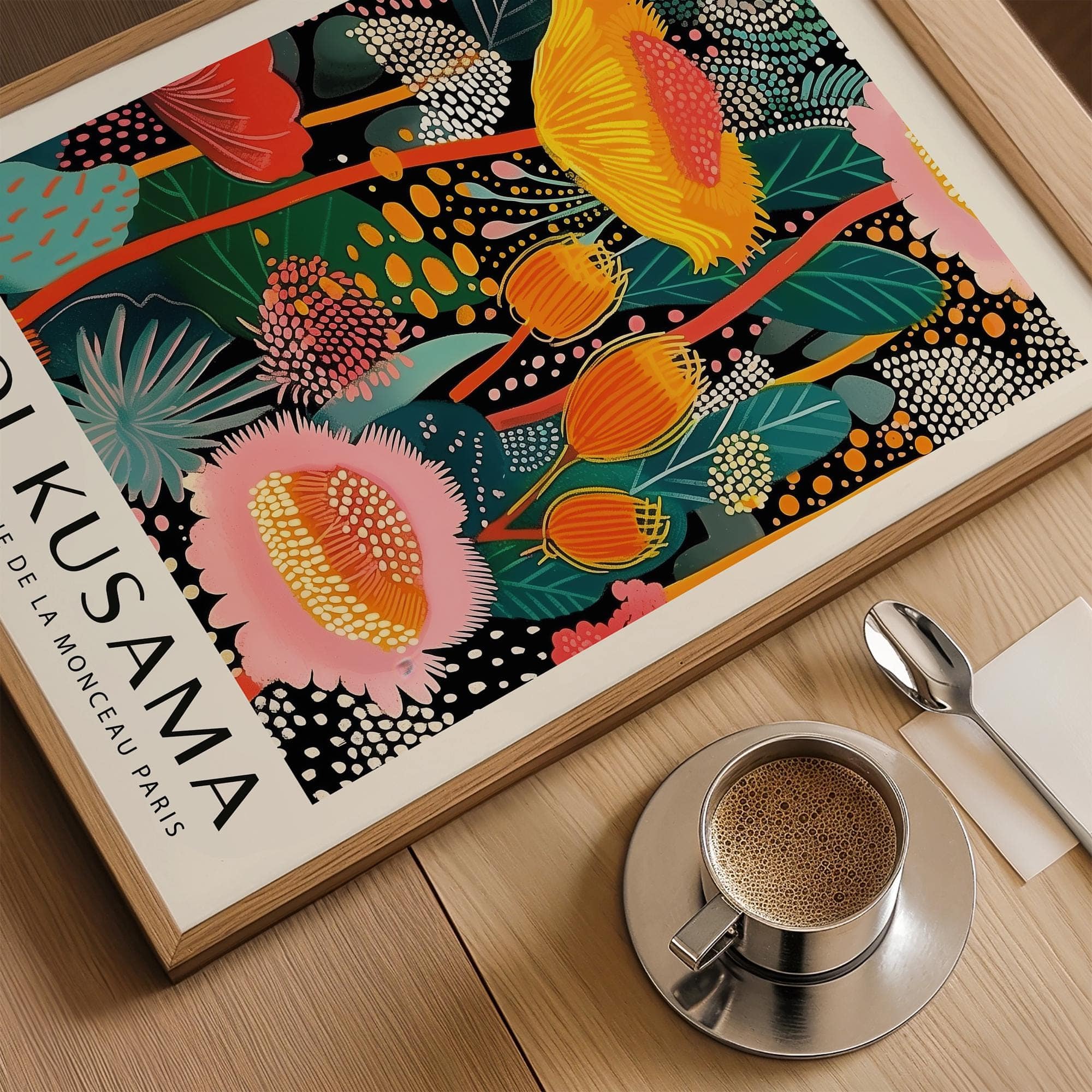
Where To Hang Posters In A Room
Finding the right spot for your posters involves assessing your wall space and room layout. The general rule is to hang posters where they become a focal point and add to the room's decor. Blank wall areas above furniture such as your bed, desk, or couch are prime locations. Hanging a large poster behind the bed or over a desk creates a cohesive look and adds purpose to your decor. A horizontal row of posters can balance a long sofa or desk and create a cohesive look.
Double sided tape, magic tape, or adhesive strips make placing posters simple, letting you avoid damage to your walls while still securing your artwork. Always factor in natural light when hanging wall art, as direct sunlight can fade posters and degrade paper quality over time. Choose locations that avoid prolonged sun exposure for your favorite poster.
Hang Posters
To successfully hang posters, start by assessing wall space. Use a tape measure to plan consistent spacing for multiple posters or a poster arrangement. Clean lines between posters or around frames contribute to an inviting look, especially if you love clean lines in decor.
If you’re decorating blank wall areas, consider the impact of a large poster versus smaller ones in terms of style and sense of scale. Hanging a large poster on a blank wall instantly transforms the room. Arrange posters at eye level for comfortable viewing.
Hanging Posters
Hanging posters is a fun and affordable way to add personality to any bedroom or living space. Begin with ideas that match your theme and color palette to create a cohesive look between your posters and other elements. If you use frames, select coordinating colors and shapes that match your existing decor to tie everything together.
When working with multiple posters, maintain consistent spacing and align the tops or middles for a sense of order. Try hanging posters slightly larger than others as a central focal point, with smaller ones radiating around it. Maintain consistent spacing of 3 to 6 inches between frames in a grouping so they read as a cohesive collection.
Hanging Art
Hanging art includes living room wall art prints, posters, wall art, and other types of artwork. Decide on the best style for your space—whether you want abstract art, vintage prints, or expressive wall posters to dictate the room’s mood. Mixing large posters with smaller ones lets you create layout ideas that enhance visual interest and add life to blank walls. A gallery wall involves grouping several posters of different sizes, styles, and frames together in a symmetrical grid or organic layout.
Choose frames and matting that fit your color palette and themes, or keep it fresh by displaying paper posters directly on the wall for a more casual look. Hanging wall art gives you the flexibility to switch out artwork as your style or mood evolves.
Focal Point
Every room should have a designated focal point, and posters are ideal for this purpose. Hang your favorite poster or a piece of wall art in the center of a blank wall or above the bed to instantly draw attention. Focal points work especially well in smaller bedrooms or narrow walls because they prevent overcrowding and maintain a sense of visual order.
Add personality to your focal point with bold colors or by choosing art pieces in different styles. If you want to create a cohesive look, pick posters that share a color palette or a unifying theme. Consider existing decor and other elements when placing your focal poster, as this will create balance in the room.
Blank Wall
Blank wall areas are perfect for displaying posters and adding art to your home. Whether you choose one large poster or arrange multiple posters, a blank wall becomes a canvas to showcase your personality. Consider using double sided tape or magic tape to avoid damage when placing posters, especially on painted surfaces.
Test different layouts by taping paper cut-outs to the wall before committing with your posters. This lets you experiment with the position, size, and spacing of your wall art to find the most pleasing arrangement without harm to your walls.
Blank Walls
Blank walls often make a room feel incomplete. Hanging posters transforms these areas into a visual showcase. Try creating a gallery effect with large posters and smaller ones for added interest. When decorating several blank walls, be sure to coordinate the styles and theme for a cohesive look, but don’t be afraid to use different styles or abstract art to provide contrast and depth.
If you’re decorating a bedroom, use posters that reflect your interests or life moments, making the space feel comfortable and unique to you.
Bedroom Wall
The bedroom wall above your bed is one of the most popular spots for posters. Large posters or grouped frames centered above the bed turn this area into an impactful visual element. Choose posters with calming themes or coordinating colors to make the room feel relaxed.
For small bedrooms, try hanging art vertically to draw the eye up, creating the sense of height and openness. Match your bedroom wall art to your bedding and other decor for a cohesive look throughout the space. A vertical line-up of posters works well on narrow walls, such as the ones next to a closet.
Favorite Poster
Your favorite poster deserves a place of honor in your room. Make it the central piece in your poster layout, either above the bed, next to the desk, or on a prominent wall. This way, your most cherished art gets the attention it merits and adds personality to your room’s decor.
Color Palette
One key decorating tip is to use a consistent color palette across your posters and wall art for unity. When you choose posters, look for ones that complement your existing decor or introduce bold colors or coordinating colors as a new theme. A cohesive look can be achieved by echoing shades from your bedding, furniture, or curtains throughout your poster arrangement.
For maximum impact, select posters that feature a main color in different styles, adding variety without losing the overall sense of harmony. To create a cohesive look, repeat colors or shapes from posters in other decor elements, such as pillows or rugs.
Common Mistake
A common mistake is hanging art or posters too high or too close together, disrupting clean lines and the balance of your decor. Avoid placing posters in direct sunlight unless you want to risk color fading and paper degradation over time. Using magic tape or double sided tape in excess can also cause wall damage or wrinkling of paper posters, so always test a small spot before applying.
Add Personality
Posters are fantastic for adding personality to a plain room. Choose posters and wall art that reflect your interests, hobbies, or favorite artists. This is one of the most affordable ways to bring fun, life, and unique style to your bedroom or office while showcasing your favorite themes and motifs.
Eye Level
As a general rule, hang posters or frames at eye level for the most natural and visually pleasing effect. This usually means the center of the artwork is about 57-60 inches from the floor. For bedrooms, consider the bed’s height when calculating eye level. On walls with furniture, align the artwork’s center 6-12 inches above the headboard or surface for the right spot and layout.
Different Sizes
Mixing posters of different sizes creates a dynamic display and allows you to experiment with layout ideas. Place your larger poster as the anchor, then cluster smaller ones around it for balance. For a more structured look, keep all frames the same size or shape. Using varied sizes and shapes with consistent spacing helps build visual interest and sense of flow in your wall art arrangements.
Using Frames For Posters
Frames protect posters, enhance the style, and create clean lines in your display. When framing paper posters, choose colors and materials that complement your room’s decor and wall art. Using frames for hanging wall art adds a polished finish and can make affordable posters look like premium artwork. Consider using frames for large posters on main walls, with smaller ones unframed for contrast and variety in style.
Tools And Materials For Hanging Posters
When hanging posters, gather supplies like double sided tape, magic tape, adhesive strips, painter’s tape, and a tape measure for accurate placement. For heavier posters or frames, use appropriate wall hooks to avoid damage and keep the wall surface clean. Layout ideas can be tested using painter’s tape before hanging the actual wall posters, helping you create a cohesive and appealing arrangement.
Creative Poster Layout Ideas
Alter the mood and style of your room by experimenting with creative poster layouts. Try grid patterns for modern clean lines, salon/gallary layouts for a more eclectic look, or waterfall arrangements with posters of different sizes cascading down a wall. Incorporate themes into your design, such as abstract art, music, or iconic photography, especially on a bedroom wall or desk nook. These layout options help you add personality and a sense of fun to your decorating.
Combining Posters With Other Decor
Layering wall art with other decor pieces, such as shelves, clocks, mirrors, or string lights, creates dimension and makes your posters stand out. Combine artwork in frames and unframed posters for a mix of textures and styles. Use matching colour palettes and coordinating colors to link your posters to other decor, creating unity across your bedroom or living space.
Preserving Your Posters
Protect your poster’s quality by keeping them away from direct sunlight and high humidity. Periodically check the adhesive strips, double sided tape, or frames to avoid accidental falls or warping. For valuable or favorite poster pieces, use UV-resistant glass frames. Store spare paper posters flat in a portfolio to maintain their quality and shape for future decorating projects.
Matching Posters To Furniture And Floor Space
When hanging large posters over a bed, sofa, or desk, ensure the artwork is not wider than the furniture below for cohesive proportions. For narrow walls and limited space, use vertically oriented posters and select artwork with complementary themes and colors. Consider the floor level by starting your display several inches above the furniture and extending the gallery as space allows to maintain balance and avoid crowding.
Gallery Wall Considerations
Creating a gallery wall with multiple posters and wall art pieces brings immense visual impact. Space frames with consistent spacing, mixing large posters with smaller ones for depth. Themes can guide your layout, whether it’s a specific color palette, abstract art, or coordinating colors. This technique makes blank walls feel intentional and exciting, and lets you vary your artwork as your tastes change.
Lighting And Sunlight Considerations
Lighting affects how posters and wall art appear. Avoid hanging your favorite poster in direct sunlight, as this can damage paper posters and cause fading. Use artificial lighting like spotlights or LED strips to create focus on your gallery wall or bedroom wall, highlighting art without risking sun damage.
Conclusion
Knowing where to hang posters in a room lets you transform blank walls, showcase your interests, and set a unique decor style. By arranging wall art at eye level, using frames for large posters, and matching your color palette with existing decor, you create a space that feels relaxed, comfortable, and visually interesting. Experiment with hanging art in different sizes, themes, and layouts to develop an arrangement that adds personality and life to your bedroom, living area, or office. With simple tools and some creativity, placing posters becomes fun and rewarding, letting you love clean lines and cohesive design throughout your home.