Introduction
Art in the room transforms blank walls into powerful expressions of personal style, creating focal points that anchor your entire living space. Whether you’re decorating a new home or refreshing your current house, strategic wall art placement does far more than fill empty space-it shapes how you and your family experience each room daily.
This guide covers essential wall art selection techniques, proper sizing and placement methods, room-specific considerations for living rooms, bedrooms, kitchens, and beyond, plus practical hanging solutions for every situation. We won’t dive into art history or painting techniques; instead, we focus exclusively on choosing, positioning, and displaying artwork that elevates your own home. Homeowners, renters, and decorating enthusiasts at any experience level will find actionable guidance here.
Art in the room refers to strategically placed visual artwork-whether an oil painting, acrylic painting, canvas print, or original art piece-that serves as a mood enhancer, conversation starter, and reflection of your personal life and interests within interior spaces.
By the end of this post, you will:
Master room-specific art selection for your dining room, bedroom, hallway, and more
Learn proper sizing techniques to avoid one of the biggest mistakes in decorating
Understand lighting coordination that makes artwork gorgeous instead of invisible
Solve common hanging challenges without damaging walls
Create cohesive gallery wall arrangements that inspire and impress friends
Understanding Art Placement Fundamentals
The concept of art in the room extends far beyond decoration. Each picture, painting, or print you hang influences the emotional atmosphere of your space, affects how large or small a room feels, and communicates something about who you are to every person who walks through your door. Understanding these fundamentals transforms random wall decor into intentional design that makes your house feel like home.
Creating space that feels comfortable and personalized requires thinking about artwork as a functional design element, not just something pretty to fill a wall.
Visual Weight and Balance
Visual weight describes how much attention an artwork commands within a room. A large, colorful oil painting with bold contrasts carries heavy visual weight, while a simple line drawing or neutral photo carries lighter weight. This matters because visual weight affects room equilibrium-a massive canvas on one wall with nothing to balance it elsewhere creates an unsettled, lopsided feeling.
A focal point is a central element in a room that immediately draws the eye and establishes a unifying theme for the space. A large piece of art can serve as a focal point, drawing the eye and establishing a central theme in a room. Oversized wall art can transform a room's atmosphere, enhance its emotional impact, and is often a cost-effective way to make a statement.
Consider how a dark wood frame adds weight compared to a frameless canvas, or how three pieces grouped together carry different weight than a single piece. Balancing these elements across your space prevents any one area from overwhelming the rest.
Scale and Proportion Principles
Scale relationships between artwork, wall space, and furniture determine whether a piece looks intentional or accidental. A tiny print floating on a large wall appears lost, while an oversized image above a small console table dominates awkwardly. The general rule: artwork should measure approximately 60-75% of the furniture width below it.
In practice, this means measuring your sofa before shopping for the perfect piece to hang above it. Scale principles connect directly to visual weight-larger pieces naturally carry more weight, requiring consideration of what exists elsewhere in the room.
Understanding these fundamentals prepares you to make smart choices room by room, where specific considerations come into play.
Room-Specific Art Considerations
Each space in your home serves different purposes and creates different moods, which means artwork selection should adapt accordingly. The fun, colorful print perfect for a kid’s art room might feel jarring in a bedroom designed for rest.
Living Room Art Strategy
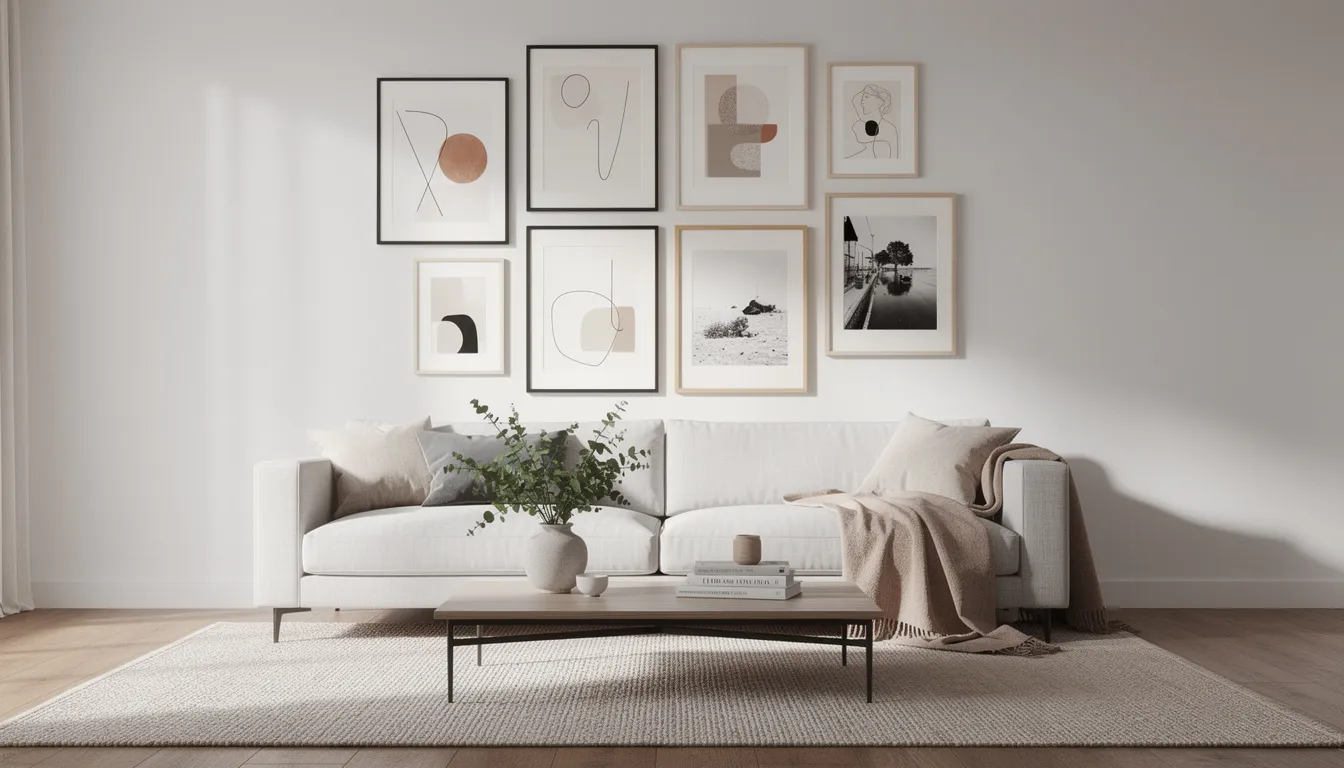
Living rooms demand statement pieces that spark conversation and anchor the space where family and friends gather. The wall above your sofa is prime real estate-consider large wall art measuring at least 60% of the sofa width, or create a gallery wall that draws the eye and tells a story about your life.
Original art or high-quality prints in styles that reflect your personal interests work beautifully here. Mix mediums-perhaps an oil painting alongside a cool vintage sign or photograph. Your living room art should inspire conversation and make guests immediately sense your good taste and personality.
Entertainment centers present opportunities too. Art flanking a television integrates media equipment into the overall design instead of letting a black screen dominate.
Bedroom Art Selection
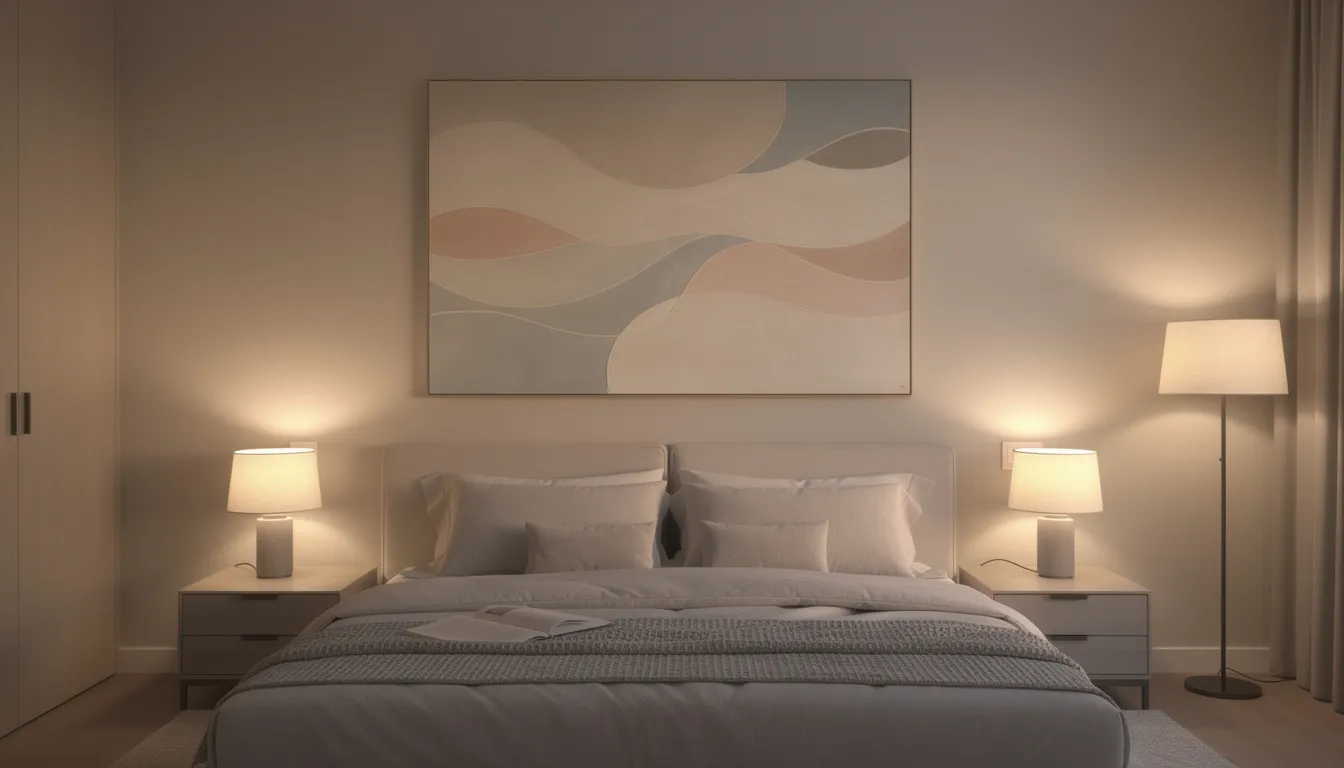
Bedrooms prioritize calm and rest, making artwork choices critical for sleep quality. Neutral palettes, soft abstracts, and nature imagery promote relaxation better than bold, stimulating pieces. Position artwork where you’ll see it while winding down rather than directly above where you sleep-some people find anything hanging over their head creates subtle unease.
Consider what inspires peaceful feelings for you specifically. A person who finds comfort in ocean imagery might choose different pieces than someone drawn to forest landscapes or minimalist line drawings.
Kitchen and Bathroom Art Approaches
Moisture-resistant materials matter tremendously in these spaces. Acrylic painting on sealed canvas, metal prints, or properly framed and sealed pieces withstand humidity that would damage unprotected paper or fabric artwork.
Kitchens offer creative opportunities-vintage food imagery, colorful fruit paintings, or even framed family recipes add personality. Bathrooms can surprise guests with unexpected art; many designers suggest treating this often-overlooked space as a gallery opportunity.
Compact spaces require scaled-down artwork or creative arrangements. A small hallway between rooms might showcase a single striking image that stops visitors mid-walk.
These room-specific principles set the stage for practical implementation-measuring, sizing, and actually getting artwork onto walls.
Art Sizing and Installation Methods
With room purposes clear and style directions established, practical application transforms plans into reality. Proper measurement prevents the frustration of hanging something only to realize it’s completely wrong.
Measuring and Sizing Procedures
Accurate measurement is critical before purchasing or hanging any artwork-skipping this step leads to one of the biggest mistakes homeowners make.
Measure available wall space in both dimensions, noting any furniture clearances, outlets, or architectural features that limit placement
Calculate ideal artwork dimensions using the 2/3 rule: artwork should fill approximately two-thirds of available wall space above furniture
Mark proposed positions with painter’s tape before hanging, then step back and evaluate from multiple angles throughout the room
Verify sight lines from where you actually spend time-sitting on the sofa, walking through the hallway, standing at the kitchen counter
Standard gallery height positions artwork centers at 57-60 inches from the floor.
Hanging artwork at eye level sounds simple but requires defining whose eye level matters. Standard gallery height positions artwork centers at 57-60 inches from the floor, but adjust based on ceiling height and furniture relationships.
Hanging Methods Comparison
Method |
Best For |
Weight Limit |
|---|---|---|
Picture Hanging Strips |
Lightweight prints, rental-friendly, zero wall damage |
Up to 16 lbs |
Wall Anchors |
Medium weight art, permanent installation in drywall |
Up to 75 lbs |
French Cleat System |
Heavy artwork, gallery-style hanging, large canvas pieces |
Over 75 lbs |
Rental situations often limit options, making adhesive strips invaluable despite weight restrictions. Heavier pieces like large oil paintings or substantial wood-framed art require proper wall anchors or cleat systems-don’t struggle with inadequate hardware that risks damage to both wall and artwork. |
Knowing the right method prevents installation frustrations, but even perfect technique can’t solve every challenge homeowners face.
Common Challenges and Solutions
Even experienced decorators encounter obstacles when adding art to rooms. These solutions address the struggles that derail many projects.
Artwork Appearing Too Small or Lost on Large Walls
A single piece floating on an expansive wall creates an uncomfortable “postage stamp” effect. The solution: create gallery walls combining multiple works, or choose genuinely large wall art measuring at least 60% of furniture width below. Years ago, oversized art felt excessive; today, going big represents sophisticated design thinking. Alternatively, grouping three pieces in a horizontal arrangement can fill space a single piece cannot.
Clashing with Existing Room Colors and Decor
The 60-30-10 color rule provides structure: 60% dominant color (walls, large furniture), 30% secondary color (upholstery, curtains), and 10% accent colors where artwork can either incorporate existing accents or introduce new ones. Pull a wee bit of color from existing decor into your artwork selection, creating visual threads that tie the room together. Thrift stores offer affordable opportunities to experiment without significant money investment.
Poor Lighting Making Artwork Invisible or Washed Out
Improper lighting represents one of the biggest mistakes in displaying art-gorgeous pieces become invisible in shadows or washed out under harsh direct light. Install picture lights above valuable pieces, or position track lighting to provide 30-50 foot-candles of illumination on artwork surfaces. Avoid placing art directly opposite windows where glare eliminates detail during daylight hours.
Conclusion and Next Steps
Successful art in the room combines proper sizing matched to your space, strategic placement based on room function, and selections that reflect your personal style and interests. The world of decorative art offers endless possibilities-from fabulous original paintings by emerging artists to affordable prints that bring gallery-worthy style to any budget.
Start transforming your space today:
Walk through your home and measure three potential artwork locations
Identify the mood you want each room to evoke-energizing, calming, inspiring
Use painter’s tape to test sizes before committing to purchases or hanging
Explore local galleries, artists’ websites, or thrift stores for pieces that speak to your creativity
For deeper exploration, consider gallery wall creation techniques that mix frame styles and artwork types, custom framing options that elevate prints to polished finished pieces, and seasonal art rotation strategies that keep your space feeling fresh throughout the year.
Additional Resources
Online art sizing calculators that overlay proposed dimensions onto photos of your actual room
Professional hanging hardware guides organized by artwork weight and wall type
Color wheel tools for coordinating artwork with existing decor schemes
Local workshops and class offerings teaching drawing, painting, and design fundamentals for those inspired to create original pieces for their own home