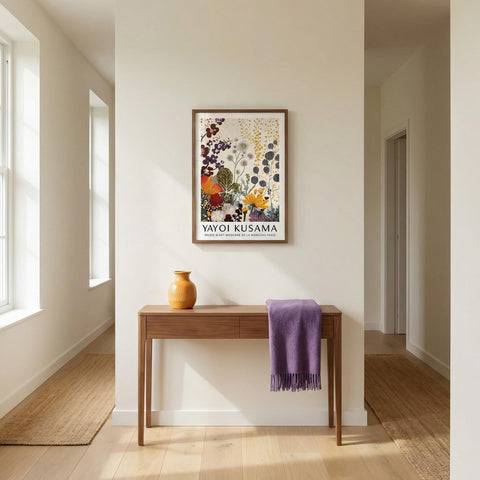
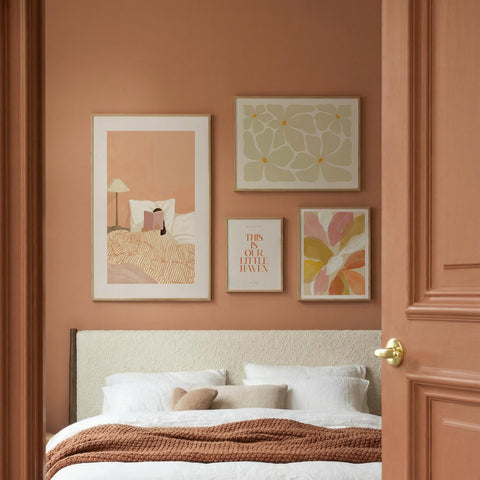
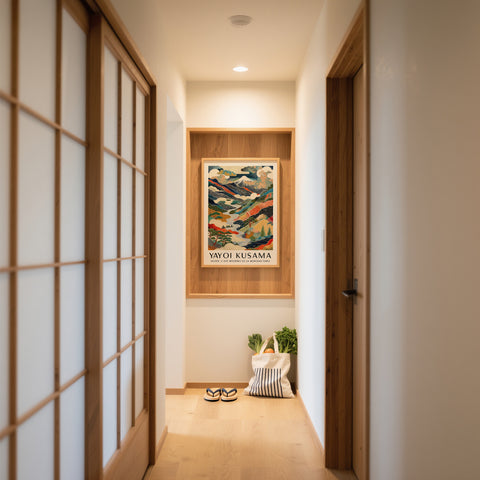
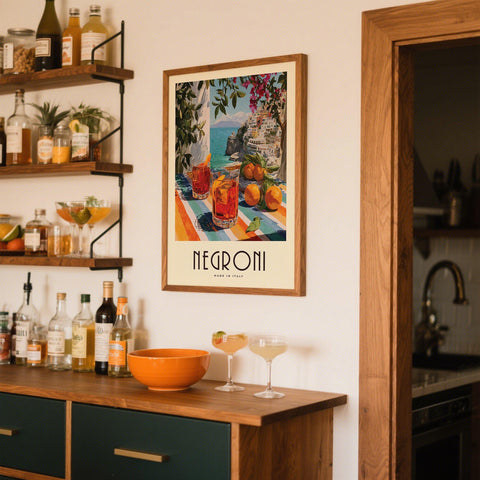
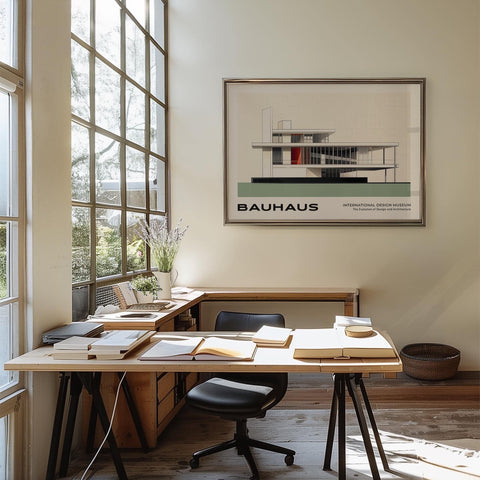
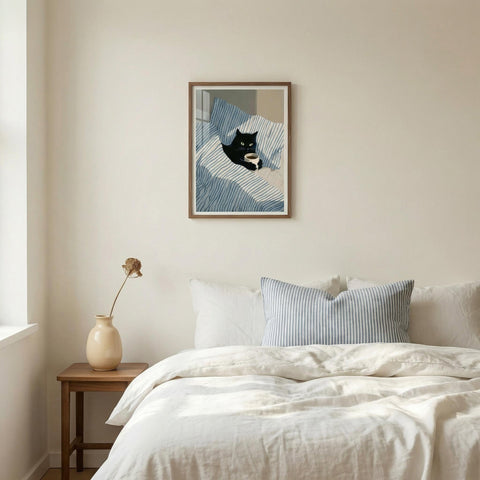
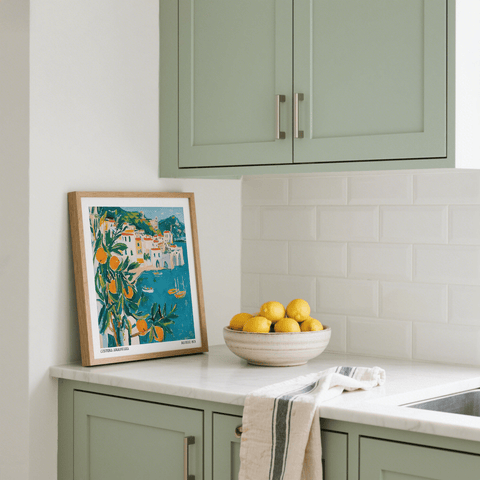
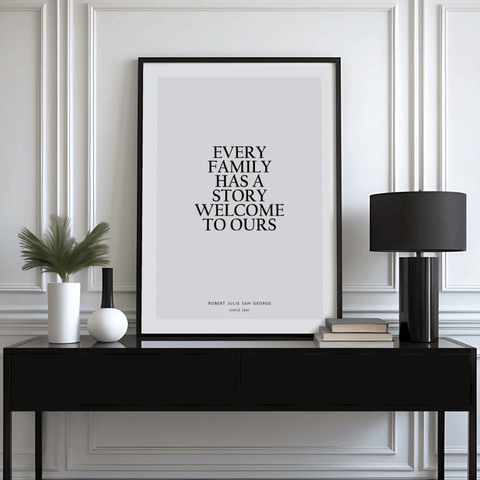


Empty walls don’t have to stay that way. With the right ideas and a little creativity, you can turn any blank wall into a visually appealing part of your home. Whether you're aiming for bold or subtle, playful or refined, adding art on walls can completely transform your space.
In this guide, we’ll explore practical and inspiring ways to use wall art in your home decorating. From large scale art in the living room to gallery wall ideas for the bedroom, we’ll help you bring your empty walls to life.
Wall Art: Set the Tone for Your Room
Wall art can define a room’s style, add color, or reflect your personality. It’s often the finishing touch that ties everything together. A single beautiful piece can become the focal point of a room, while multiple pieces can work together to tell a story.
Types of Wall Art to Consider
-
Prints and Paintings: Abstract painting, fine art, or photography prints.
-
Canvas Art: Great for a gallery-style look.
-
3D Pieces: Think metal shapes, woven baskets, or layered wood.
Choose artwork that complements the colors and materials in your furniture and decor.
Wall Decor: Think Beyond the Frame
Wall decor isn’t just about what you hang—it’s about how you use your vertical space. Floating shelves, shadow boxes, and tapestries can add depth and interest.
Ideas to Try
-
Hang a vintage mirror above a fireplace.
-
Install open shelving to display a mix of artwork, plants, and personal items.
-
Lean a large frame or canvas against a wall for a relaxed look.
Mixing materials and layers helps create a cozy and lived-in feel.
Gallery Wall: Tell a Visual Story
Gallery walls are one of the most popular trends in home decor because they’re so flexible. You can mix photography, artwork, and even 3D objects for a truly personal display.
Tips for Creating a Gallery Wall
-
Start with a theme—family, travel, black-and-white photography, etc.
-
Use matching frames for a clean look or mix styles for an eclectic one.
-
Lay everything out on the floor first to get your spacing right.
A gallery wall works well in hallways, staircases, or behind a sofa.
Fine Art: Bring a Museum Feel to Your Home
If you’re ready to invest in a beautiful piece, fine art can add depth and sophistication to your space. This doesn’t mean you have to spend a fortune—thrift stores and local galleries often have incredible pieces at accessible prices.
Where to Use Fine Art
-
Above the fireplace in your living room.
-
In your dining room for a more formal vibe.
-
As a centerpiece in your home office.
The key is to pick art that resonates with you. You should absolutely love it every time you walk by.
Large Scale Art: Make a Statement
Large scale art fills a blank wall without the need for multiple pieces. It’s ideal for big open spaces where you want to create impact with minimal effort.
Choosing the Right Piece
-
Go bold with color if your furniture is neutral.
-
Use light-toned art to brighten up darker rooms.
-
Keep framing simple to let the artwork shine.
Hang large scale art above a bed, behind a dining table, or on the largest wall in your living room.
Home Decor: Integrating Art into Your Overall Style
Art shouldn’t feel like an afterthought. It should be a natural part of your home decor. Choose pieces that match your room’s mood, theme, or color palette.
Tie It All Together
-
Use rugs, pillows, and furniture that reflect colors or patterns in your wall art.
-
Add a rug under a coffee table that complements the tones in nearby artwork.
-
Repetition of shapes, like circles or lines, can help unify a room.
Art is not just decoration—it’s part of the story your house tells.
Decorating Blank Walls with Confidence
If you’re staring at blank canvases and feeling stuck, start small. Try these simple steps:
-
Pick one wall to focus on.
-
Choose a piece of art or a photo you love.
-
Hang it at eye level—around 57 inches from the floor to the center of the art.
-
Add a second piece or shelf nearby and build from there.
Don’t be afraid to experiment. Your space should reflect your creativity.
Creative Use of Materials
Wall art can go beyond traditional materials. Think about incorporating:
-
Textiles: Quilts, fabric panels, or handwoven wall hangings.
-
Photography: Personal photos turned into black-and-white prints.
-
Found objects: Vintage signs, antique tools, or maps.
These unique touches bring depth and warmth into a room.
Inspiration by Room
Living Room
Your living room is a great place for multiple pieces. Use a mix of art sizes and shapes to build an engaging collection. Include a large canvas over the sofa and smaller artwork on side walls.
Dining Room
Create a sense of occasion with art that feels intentional. A single framed abstract painting or a symmetrical pair of prints can bring elegance to mealtime.
Bedroom
Use calming tones and soft shapes to complement your bed and rug. Consider hanging art above the headboard or on the wall opposite the bed.
Hallways and Entryways
These areas often have a hard time getting love. Use the opportunity to fill them with interesting photography, small framed art, or narrow gallery walls that stretch the length of the space.
Mixing and Matching Styles
There’s no rule saying you can’t mix vintage pieces with modern prints. A balanced contrast creates interest. Here are a few ideas:
-
Hang an abstract canvas above a rustic wooden shelf.
-
Combine thrift store finds with fine art prints.
-
Use black frames for cohesion across different styles.
Contrast adds personality and keeps your home from feeling too staged.
Choosing the Right Frame
A good frame can make a big difference. Here’s what to keep in mind:
-
Keep frames similar in color or material for consistency.
-
Use mats to add breathing room around busy artwork.
-
Float canvas prints for a more modern touch.
Framing doesn’t have to be expensive. Shop thrift stores or repurpose existing frames to keep costs down.
How to Hang Art Like a Pro
Use these tips to make sure your pieces look great on the wall:
-
Hang art at eye level.
-
Use a level to avoid crooked pieces.
-
Space multiple items evenly—try 2-3 inches apart.
-
Use proper wall anchors for heavier items.
When in doubt, start with paper templates taped to the wall. It’s easier to visualize before committing to nails.
Fill Vertical Space with Purpose
Tall narrow walls or areas between windows are often overlooked. Try these ideas:
-
Hang a series of small frames in a vertical column.
-
Use a long fabric wall hanging.
-
Install a tall shelving unit with stacked artwork and decor.
These placements can help balance your room visually.
What to Do When You Have a Hard Time Choosing
If you’re overwhelmed by options, ask yourself:
-
What colors make me feel good?
-
What spaces feel too empty?
-
Do I prefer order or randomness?
Then pick one example or inspiration piece and build from it. Home decorating should feel fun, not stressful.
Common Mistakes to Avoid
-
Hanging art too high
-
Choosing pieces that are too small
-
Skipping the frame altogether
-
Not using anchors for heavy frames
Avoiding these will help your walls look more intentional.
Why You Shouldn't Be Afraid to Shop Around
Great wall art doesn't have to be expensive. Look for:
-
Thrift stores and estate sales
-
Local makers and craft markets
-
Independent artists online
You don’t need a designer budget to find a beautiful piece that transforms your space.
Make It Yours
The most important rule? Choose what you love. Whether it’s a chaotic mix of photography and sculpture or a simple print in a black frame, your home should reflect you. Art is personal. Let it show your style, your life, and your ideas.