
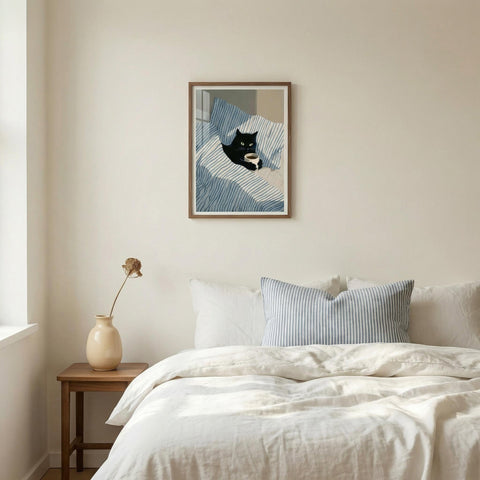




Japanese art has long showcased cats in Japanese art as beloved subjects. From ancient folklore to modern icons, cats take center stage in a fascinating visual record. This post explores themes across centuries of Japanese art, from feline monsters philosophers cats imagery to lucky cats and Hello Kitty. Let’s dive into how Japanese artists represent the feline muse across woodblock prints, figurines, and more.
Japanese Art
Japan’s long creative history spans three centuries or more. Artists have captured japan's rich visual record in a range of media, paintings, ukiyo e prints, woodcuts, and sculpture. Cats appear in folk wisdom and religious contexts, and in whimsical scenes of cat lovers. Many pieces illustrate philosophical and religious ideas or explore the unseen world of divine felines, demon cat myths, and supernatural happenings. These works often use fluid lines and organic forms that emphasize cats’ glossy fur and playful mischief.
Japanese Cats
Japanese cats reflect more than pets, they symbolize good fortune, health, and beauty. From domestic companion cats to maneki neko figurines meant to invite good fortune, cats appear throughout japanese culture. Cat owners developed emotional bonds cat owners cherish, making them ideal subjects for japanese cats in art. The global cat culture now reveres Japan’s feline aesthetic, from cat cafes in modern Japan to kawaii merchandise.
Woodblock Prints
Woodblock prints and ukiyo e prints often feature cats alongside landscapes like Mount Fuji or scenes with kabuki actors. These prints combine rich symbolism and narrative to depict playful cats or ominous supernatural felines. The print depicts black cats, demon cat legends, or cats interacting with beautiful women. Cats are not background, they take center stage, drawing the eye through composition and expressive detail. These prints offer evidence of cats’ aesthetic and cultural importance in Edo period society.
Tama the Cat
One surprising story involves Tama the cat, a feline shrine guardian credited with saving a railway station from bankruptcy. As lucky cats, such stories grip cat lovers and feed into Japan’s folk wisdom traditions. As a divine feline, Tama became a household god and cultural icon, illustrating how cats can be spiritual symbols. The collection features works inspired by Tama’s legacy, including figurines and prints that celebrate her feline muse energy.
Divine Felines
In religious iconography, cats can be portrayed as divine felines associated with prosperity and spiritual power. Maneki neko figurines—lucky cats with one paw raised—symbolize good fortune, invite good fortune, or attract prosperity mischief. Created from materials such as ceramic, gold leaf, or wood, these materials lucky cats come in many colors. They appear in shops and homes as guardians. Japanese artists represent cats with flowing forms and expressive faces, often alongside temple motifs.
Third Princess
Some art references the "Third Princess" who had a beloved cat companion. This feline reportedly inspired teachers pets tales and poems, casting the cat as a wise companion akin to a philosopher. Here cats in Japanese art become symbols of nobility, intelligence, and affection. The cat’s presence anchors portraits and narrative prints, reinforcing the bond between humans and feline friends.
Black Cat
In Japan, the black cat can be both lucky and ominous. In art, these dark cats appear in supernatural scenes or as symbols of mystery. Some titles refer to “demon cat” stories, feline monsters philosophers cats figure in folklore and are depicted with dramatic flair. Prints illustrate cats with exaggerated eyes and fur, complemented by dark backgrounds or storm scenes. Yet the black cat can also bring good fortune, depending on context, bridging mischief and blessings.
Ukiyo E
The art form of ukiyo e evolved in Edo culture to capture everyday life and fantasy. Cats often join scenes of beautiful women, kabuki, or humor. Artists like Utagawa Kuniyoshi and Utagawa Kunisada included cats interacting with kabuki actors or appearing in parodies of folklore. These prints highlight cats’ ubiquitous presence in urban life. The fluid lines and decorative detail emphasize a feline image that delights both in design and storytelling.
Edo Period
During the Edo period, cats became featured prominently in art and culture. As city life expanded, cats protected homes from pests and became beloved pets. Artists depicted them in scrolls, screens, and book illustrations. The era’s prints reveal cats playing around interiors, curled on tatami mats, or arching backs in curiosity. These images speak to great affection between cat and owner. Rich symbolism ties to mount fuji landscapes, domestic, or spiritual, settings.
Cats in Japanese
By returning to the title theme, cats in Japanese art unify centuries of visual storytelling. Japanese cats appear as philosophical figures, feline monsters philosophers cats, or comforting companions. Whether illustrated in woodblock prints, sculpted as maneki neko, or celebrated in modern phenomena like Hello Kitty, cats in Japanese art show how creativity and affection intersect.
Hello Kitty & Modern Japan
In modern Japan, characters like Hello Kitty embody the kawaii cat aesthetic worldwide. Though she’s a stylized cartoon, Hello Kitty connects to centuries of feline imagery. She’s part of global cat culture and showcases how Japan continues to evolve its feline tradition, from figurines spanning eras to cat cafes and collectibles. Hello Kitty and other designs evoke the same affectionate bonds between cat owners and their pets.
Summary
Cats appear across Japanese art forms as domestic companion figures, spiritual beings, and symbols of good fortune. Artists over time, Japanese artists representing cats, crafted scenes with cats playing, guarding doorways, or accompanying kabuki actors. From Edo period woodblock prints to modern feline icons, these works highlight philosophical themes, humor, luck, and love for cats. They illustrate stories, some surprising, surprising stories surrounding cats, like Tama the cat or demon cat legends. Cats retain center stage in Japan’s rich visual record, continuing to enchant both cat lovers and art fans around the world.