

Every wall in your home is a blank canvas. With the right approach, you can turn even the most uninspired room into something that feels personal, thoughtful, and inviting. Whether you're tackling empty walls in a small space or trying to create a bold statement in a larger one, here are interior design wall ideas that work for every style and budget.
Wall Decor Idea: Framed Prints
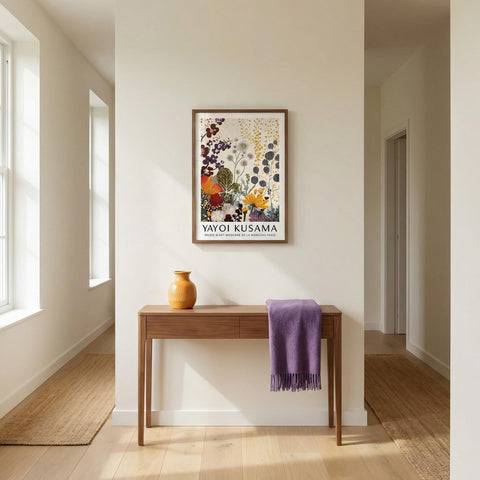
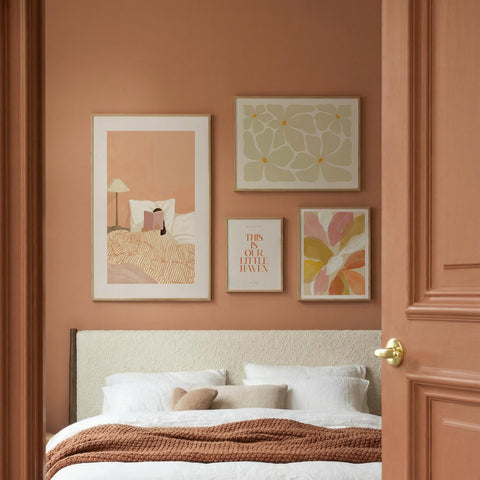
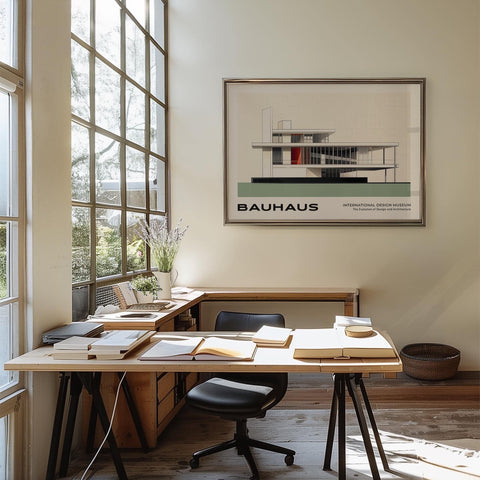
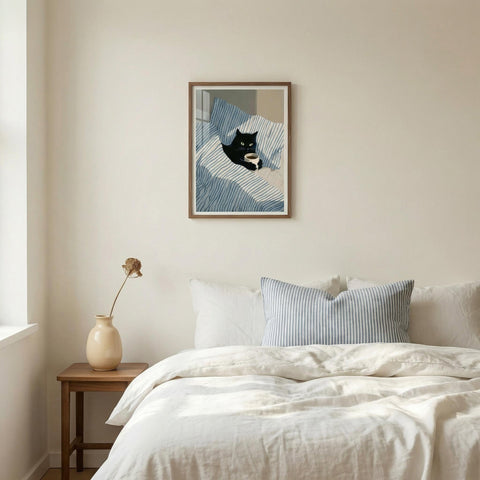
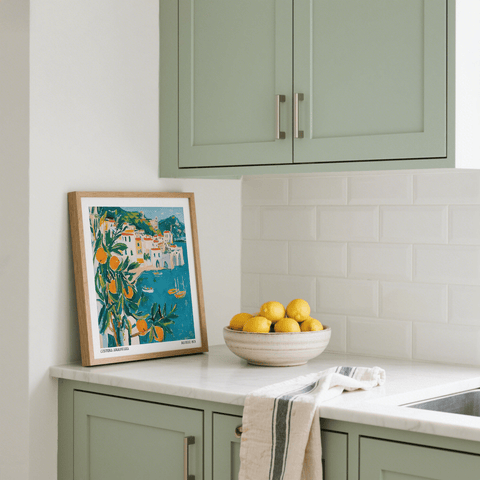
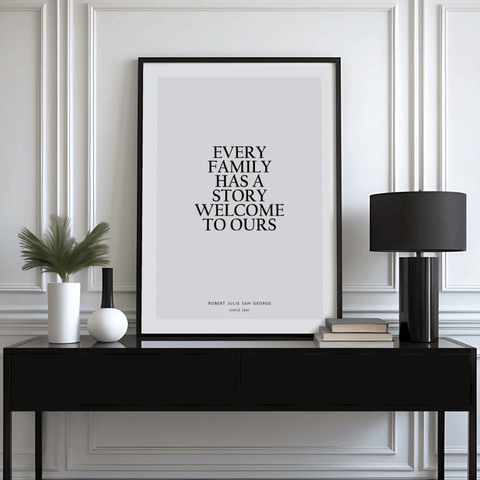
Framed prints are a go-to solution when you're unsure where to begin. They add structure, shape, and a sense of rhythm to your walls. A grid of black-and-white prints can give a clean, gallery-style look, especially effective in modern interiors. For a more relaxed feel, try a mix of sizes and frame finishes arranged organically.
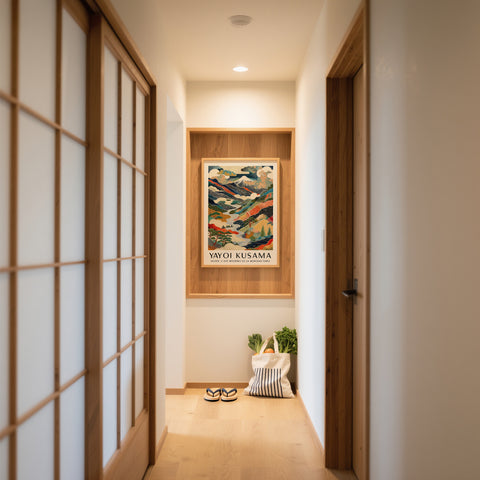
Framed prints are especially useful in areas like the guest room or hallway where you want to add visual interest without overwhelming the space. Pairing them with picture lights adds a touch of warmth and creates intentional lighting zones.
Wall Art That Makes a Bold Statement
If your room needs a focal point, wall art is one of the simplest ways to make a bold statement. Oversized canvas art, a graphic poster, or a modern abstract painting can serve as the statement piece that ties your entire room together. Look for artwork that reflects your personality but also complements the furniture and decor you already have.
Don't be afraid to use art to add contrast. In a room with neutral furnishings and white space, a bold, colorful piece adds depth and pop. It's also a great way to experiment with different styles without committing to a full room redesign.
Accent Wall: More Than Just Paint
An accent wall adds structure to a room. It can guide the eye, define a corner, or break up an open-plan layout. There are endless ways to approach this, you can use textured wallpaper, wood slats, or even stone veneer. Painted accent walls still work well, especially when used with clean lines and bold colors.
In a small space, one well-placed accent wall can make the room feel larger and more organized. For example, a deep navy or olive green behind a bed instantly creates a cozy sleeping zone.
Gallery Wall: Telling Your Story
A gallery wall lets you display the things that matter most, family photos, art you love, or mementos collected over time. Use frames of varying sizes and finishes, but stick to a consistent palette for cohesion.
Floating shelves within a gallery wall offer flexibility. You can swap out items easily without making new holes in the wall. Add decorative accents like small plants or travel souvenirs to break up the rows of frames and add texture.
Floating Shelves: Style Meets Function
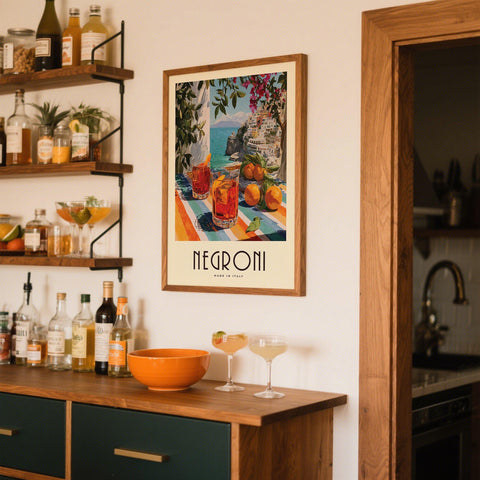
Floating shelves offer a practical wall decor idea for anyone short on floor space. Use them to display books, ceramics, or framed photos. Arrange objects in odd numbers and vary their height for a balanced look.
In the kitchen, floating shelves can hold cookbooks or spice jars. In the living room, they give you room to experiment with seasonal displays. In any space, they help avoid clutter and keep the floor clear, especially important for smaller rooms.
Interior Designers' Favorite Tips
Interior designers often start with the wall when approaching a space. Their number one rule? Think in layers. Here are a few practical tips:
-
Use floating shelves to display decorative items and add dimension.
-
Incorporate picture lights to highlight wall art.
-
Mix frame shapes, but keep a common color or texture.
-
Leave some white space so your walls can "breathe."
The goal is balance. Too much on the wall can feel chaotic. Too little can feel unfinished.
Living Room Wall Decor: Creating a Focal Point
Your living room wall deserves attention. It's usually the first thing people notice when they enter your house. Create a focal point using large wall art, an accent wall, or a gallery wall above the sofa.
If you have a fireplace, frame it with artwork or mirrors. If you have high ceilings, use vertical shapes to draw the eye upward. Low ceilings? Stick with horizontal pieces to stretch the room visually.
Playing With Texture and Depth
Texture is just as important as color when decorating a wall. Try combining rough wood with smooth metal. Or mix matte paint with glossy prints. These contrasts add depth and keep the eye moving.
Stone veneers, reclaimed wood planks, or slatted wood panels make excellent accent wall materials. Use rugs or curtains in complementary tones to create a layered, cozy environment.
Making the Most of Small Spaces
In small rooms, your wall decor can help open things up. Mirrors reflect light and make a space feel larger. Art that mimics architectural shapes or clean lines can give a sense of order. Even a single well-placed framed print can change the feeling of a corner.
If your furniture is compact, choose equally light-feeling decor, nothing too bulky or dark. The goal is to create a sense of balance and movement.
Experiment Without Fear
Not every wall decor idea will work for every room, and that's okay. The key is to experiment. Try hanging art lower than you think. Stack frames on a ledge. Paint half a wall instead of the whole thing.
Your home should feel like your own. Wall decor is just one way to get there. Start simple, take your time, and let the space evolve.