

Japan Concept Art
Focusing on japan concept art, many projects seek inspiration from a blend of classic beauty and modern storytelling. Japanese art has long valued simplicity, harmony, and attention to detail, whether in ink painting, architecture, or character designs. The principles of Japanese aesthetics, such as minimalism, influence global design trends, making them a cornerstone of many creative endeavors. Wabi-sabi, a philosophy that finds beauty in imperfection, transience, and natural aging, also plays a significant role in shaping these artistic principles.
Today’s top artists combine ancient techniques with digital painting, often using tools like Blender to create immersive scenes. Many projects are set in Tokyo, a city that embodies the fusion of old and new. Japan concept art is not limited to historical themes; it embraces ideas from fantasy worlds, futuristic cities, and imaginative character designs. The influence of Hayao Miyazaki's visual language and storytelling is evident in many animated films, inspiring artists to craft narratives that resonate globally. Additionally, the term "Superflat," coined by Takashi Murakami, has become a defining concept in modern Japanese art, blending pop culture with traditional aesthetics.
The fascination with japan concept art lies in capturing a feeling-be it the tranquility of nature or the dynamic excitement of urban Tokyo. Artists created multiple versions of their work, constantly refining their project until the final art stands out. This cycle of inspiration and revision is central to the art process.
Concept Art
Concept art is foundational for gaming, animation, and film studios worldwide. In japan, the approach to concept art often includes integrating nature elements with modern sci-fi components, making the work both recognizable and visionary. Japanese gardens, with their meticulous design and symbolic elements, are a popular theme in concept art, offering a serene yet dynamic source of inspiration. Concept art in Japan also frequently explores themes of traditional architecture and landscapes, offering a rich tapestry of visual inspiration. Takashi Kondo's work, which explores themes of nature, human relationships, and social instability, further highlights the depth and complexity of Japanese concept art.
When working on a project, artists brainstorm ideas and seek reference images to spark creativity. Blender has made it easier to develop environments, characters, and even vehicles for these concepts. Environment concept art tutorials often use Blender and Photoshop, providing artists with the tools to refine their skills. Whether the focus is an ancient shrine or a bustling Tokyo street, each painting aims to express a mood or unique vision.
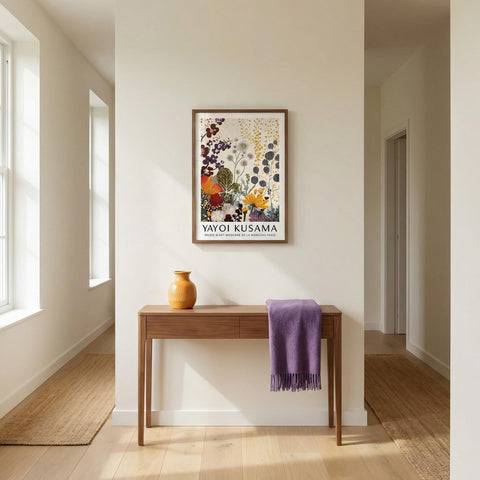
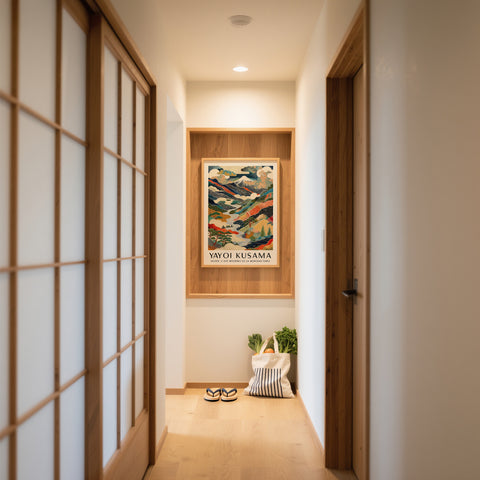
Modern technology allows art to flourish. Teams can collaborate on a project using Blender, sharing their work in real-time and perfecting every detail. This makes it possible for more artists to contribute different designs, resulting in richer, layered concept art. TeamLab, for instance, creates large-scale, interactive, and immersive digital art installations that push the boundaries of modern creativity. Similarly, Yayoi Kusama's immersive installations, sculptures, and paintings, which blend pop art and abstract expressionism, have become iconic in the art world. Takashi Murakami's work, which blurs the lines between commercial and fine art, also exemplifies the innovative spirit of Japanese modern art.
Many artists choose to share their work online, often highlighting how they created designs based on research around Japan. Tokyo is a particularly popular setting, given its visual diversity. Japanese fantasy aesthetics influence many concept art projects, blending mythical elements with modern techniques. A single project might shift over time from traditional painting to digital collage, evolving with new ideas. Tetsuya Ishida's paintings, which delve into themes of alienation and the anxieties of a rapidly changing society, also serve as a poignant source of inspiration for many creators. Similarly, Kazuki Umezawa's digital collages reflect how digital media shapes modern reality, offering a unique perspective on contemporary art.
As you navigate the development process, consider revisiting your project at different stages. Give your work time to mature, drawing inspiration from fellow artists and the rich tradition of japanese art. A successful concept is often the result of many iterations, each building on the one before.
Utilizing Blender for Japan Concept Art
Blender is a game-changer for artists working with japan concept art. Its versatility allows for the quick creation of detailed environments and characters. Many professionals start their project with sketches and gradually shift toward fully realized 3D designs.
Creating realistic Tokyo cityscapes or tranquil nature settings in Blender enhances the visual storytelling in a project. For example, an artist can use Blender to model a traditional Japanese temple, surrounded by cherry blossoms, then incorporate modern elements for contrast.
Time-saving features within Blender help teams stay on track. Artists can see their work from different angles, adjust lighting to set the scene, or test new ideas. Many designs created in Blender become the final images used in media, or help inform other artists as the project evolves.
Learning to use Blender efficiently is valuable for anyone serious about concept art, especially those aiming to capture the spirit of japan in their work. Tutorials and shared resources support beginners and advanced artists alike, while online communities allow them to discuss designs, painting styles, and project management tips.
Conclusion
Japan concept art offers a bridge between tradition and innovation. Using tools like Blender, artists can bring unique project ideas to life, drawing from the culture, nature, and energy of Tokyo. With dedication and creativity, anyone can develop impactful designs that stand out in the modern art world.