




Japanese Art
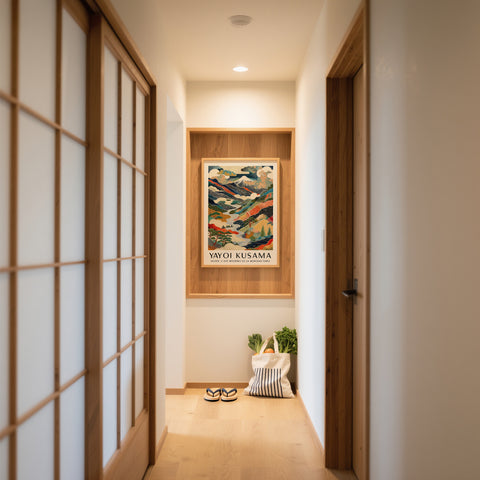
Japanese art has a long and rich tradition of depicting nature. From delicate cherry blossoms to imposing mountains, Japanese artists have always found inspiration in the world around them. One of the most enduring styles within this tradition is japanese landscape art, a form that continues to captivate with its elegance and simplicity. For those seeking a modern twist, Japandi wall art featuring elegant cranes in flight offers a contemporary yet serene homage to these artistic traditions.
Japanese Landscape Painting
The roots of japanese landscape painting can be traced back to influences from chinese painting during the northern song dynasty. Early Japanese painters adapted the chinese style, using black ink on paper to portray natural scenes with a focus on harmony and balance. By the sixteenth century, Japanese painters began to develop a uniquely local approach, incorporating more stylized elements and a deep reverence for the changing seasons.
Japanese Prints
The advent of woodblock prints during the edo period brought japanese landscape prints to a much wider audience. These artworks became hugely popular for their ability to depict famous places like Mount Fuji, the Hozu River, and the former capital of Kyoto. Artists used vibrant color and intricate linework to showcase nature's beauty, often including pine trees, snow-covered mountains, and winding rivers.
Landscape Paintings
Unlike Western landscape paintings, which often aimed for realism, japanese landscape art prioritized mood, season, and emotion. Scenes were carefully composed to guide the viewer’s eye through a tranquil journey, from foreground to imposing mountains in the background, often wrapped in morning mist. These works encouraged viewers to reflect on their relationship with nature and appreciate the transient beauty of each moment.
Japanese Landscape
The japanese landscape itself provides endless inspiration: the sea, towering trees, rugged peaks, and scenes of daily life. Artists aimed to reflect not just physical beauty but the essence of the seasons, the spirit of autumn, or the quiet after a snowfall. This focus on nature’s shifting moods and forms brought a meditative quality to many japanese landscape paintings.
Japanese Landscape Prints
Japanese landscape prints during the Edo and Meiji periods captured the imagination of both locals and international admirers. These prints were not only sold in every store in Tokyo, but also traveled the world, influencing Western art. Many of these prints were collected by European artists and collectors, sparking a trend that became known as Japonisme.
Four Seasons
The four seasons are a cornerstone of japanese landscape painting. Autumn leaves, winter snow, spring cherry blossoms, and summer rivers are all recurring themes. Each scene is meant to reflect nature’s cycles and our place within them. Painters often used subtle visual cues, such as the presence of plum blossoms or snow-laden roofs, to indicate the passage of time and the changing environment.
Mount Fuji
No discussion of japanese landscape art is complete without mentioning Mount Fuji. This sacred peak appears in countless prints and paintings, often depicted with snow at its summit. Its symmetrical form has inspired japanese artists for centuries. In some depictions, Mount Fuji appears vast and distant, while in others it dominates the foreground, emphasizing its spiritual presence in the Japanese imagination.
Famous Places
Series like "The Fifty Three Stations of the Tōkaidō" and "The Sixty Nine Stations of the Kiso Kaidō" focused on famous places across Japan. They served as both art and travelogue, showing tea houses, bridges, and landscapes that dotted the roads connecting major cities. These prints captured both scenic beauty and daily life, with travelers, merchants, and even two men on a journey featured in many ukiyo-e works.
Morning Mist
The use of morning mist in japanese prints adds depth and mood. It softens the foreground and gives way to distant mountains, guiding the viewer into the picture. This technique allows for a sense of calm and mystery in the artwork. By obscuring certain details and revealing others, artists created a dynamic play of space that invited contemplation and introspection.
Katsushika Hokusai
One of the most celebrated japanese artists is Katsushika Hokusai, best known for "The Great Wave off Kanagawa." But his work on Mount Fuji, especially "Thirty-six Views of Mount Fuji," is equally iconic. His use of color, perspective, and line made him a pioneer in japanese landscape art. Hokusai's legacy lives on not only in art galleries but in pop culture, fashion, and design, where his visual motifs continue to be adapted and reimagined.
Kinryūzān Temple
Kinryūzān Temple, often depicted in the background of ukiyo-e prints, exemplifies the blend of urban and natural elements. The temple, bustling streets, and trees around it showcase how japanese painters balanced manmade structures with nature. These scenes reveal how art served to document everyday life while honoring spiritual and cultural landmarks.
Utagawa Hiroshige
Another giant of japanese landscape art is Utagawa Hiroshige, known for his lyrical and atmospheric prints. His series like "The Fifty-three Stations of the Tōkaidō" offer poetic glimpses of travel, weather, and the human presence within landscapes. His soft color palettes and fluid lines stand in contrast to the bold drama of Hokusai’s works, showing the stylistic range within japanese landscape prints.
Woodblock Print Technique
Creating a woodblock print required a collaborative effort between designer, carver, printer, and publisher. This team-based process meant that many hands shaped the final artwork. Designs were often drawn by leading japanese painters, then transferred onto wood blocks for carving. This process allowed for high-volume printing while retaining fine detail and vibrant color.
Tea Houses in Art
Tea houses frequently appear in japanese landscape prints, offering peaceful moments of rest within nature. These structures were more than just places for refreshment, they symbolized harmony, tradition, and the seasonal rhythms of life. Often nestled by rivers or framed by trees, tea houses gave artists a human scale for vast natural backdrops.
Depictions of Nature
Whether highlighting pine trees on a cliffside or a scene of waves crashing against the coast, japanese landscape art celebrates the beauty and force of nature. Artists used composition and detail to reflect not just a place, but an experience. These depictions remind viewers of nature’s power, serenity, and impermanence.