





Japanese Art
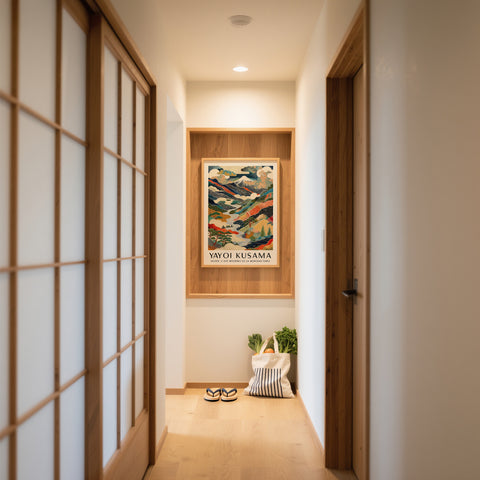
Japanese art has long celebrated the harmony between humans and nature. From ancient scrolls to modern photography, this tradition is most vividly captured in the japanese landscape print. These artworks, especially the japanese woodblock prints known as ukiyo-e, offer a window into Japan's scenic beauty and cultural heritage.
Japanese Woodblock Prints
Ukiyo-e, translating to "pictures of the floating world," emerged during the Edo period (1603–1868). Initially focusing on urban pleasures, the genre expanded to include landscapes, thanks to artists like Katsushika Hokusai and Utagawa Hiroshige. Their works transformed everyday scenes into enduring masterpieces, making japanese landscape prints a staple in art collections worldwide.
Japanese Landscape
The japanese landscape is diverse, featuring majestic mountains, serene seas, and bustling cities. Artists captured these elements with precision and emotion. Hokusai's "Thirty-Six Views of Mount Fuji" series, for instance, presents the iconic mountain from various perspectives, highlighting its significance in Japanese culture. Similarly, Hiroshige's "One Hundred Famous Views of Edo" offers a glimpse into the daily life and scenery of 19th-century Tokyo .
Famous Places
Many japanese landscape prints depict famous places known for their natural beauty or cultural importance. Sites like Mount Fuji, Kyoto's temples, and Tokyo's bridges frequently appear in these artworks. These prints not only showcase the locations but also reflect the seasons, weather, and times of day, emphasizing the transient nature of life, a central theme in Japanese philosophy.
Landscape Prints
Landscape prints serve as both artistic expressions and historical records. They document Japan's evolving environment and urbanization. The use of vibrant colors, intricate details, and innovative compositions in these prints influenced Western artists and contributed to the global appreciation of Japanese aesthetics.
Woodblock Prints
Creating woodblock prints involves carving an image into a wooden block, applying ink, and pressing it onto paper. This meticulous process allows for multiple reproductions, making art accessible to a broader audience. The technique requires collaboration among artists, carvers, and printers, each contributing to the final piece's quality and beauty.
Ukiyo-e
The ukiyo-e movement played a crucial role in shaping Japan's visual culture. Beyond landscapes, it encompassed portraits, theater scenes, and depictions of flora and fauna. The genre's emphasis on everyday subjects and its distinctive style left a lasting impact on both Japanese and Western art traditions.