

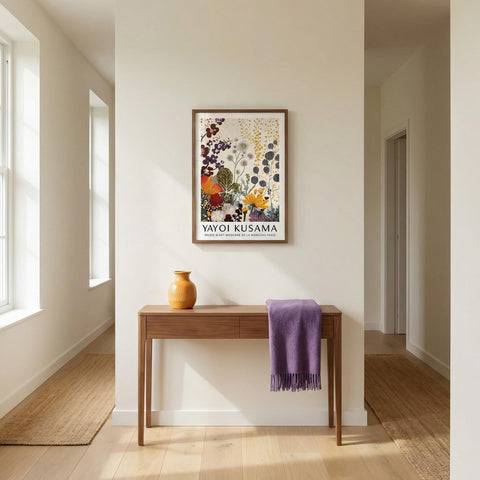
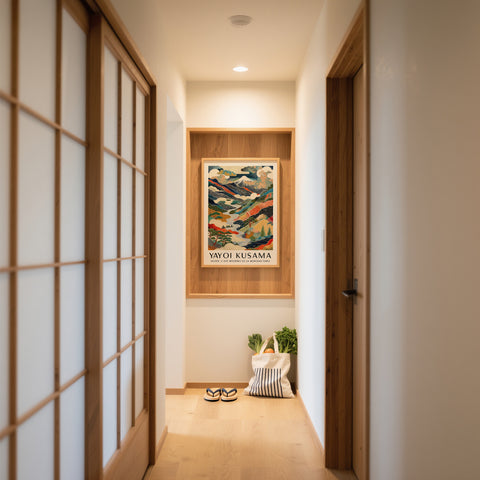


The world of Japanese print is a window into centuries of cultural evolution. These prints capture daily life, grand landscapes, famous actors, and legendary tales with a style and technique unique to Japan. From the Edo period to the Meiji period, the art of Japanese woodblock prints has left a mark on the global art scene, continuing to inspire collectors and artists today.
Japanese Woodblock Prints
Japanese woodblock prints, often called ukiyo e, are a cornerstone of Japanese printmaking. This tradition involves carving an image onto wood, applying ink, and pressing paper onto the carved block to transfer the design. The method allows for rich, detailed imagery using natural materials like cherry wood and handmade paper.
Artists like Hokusai and Hiroshige mastered this technique during the Edo period. Their works are now found in museum collections worldwide. These prints depict landscapes, kabuki actors, and scenes from everyday life, preserving a visual record of Japan's society at the time.
Asian Art's Enduring Influence
The appeal of Japanese print extends beyond Japan. It has become a central piece of Asian art history, influencing other artists across continents. Western painters such as Van Gogh and Monet studied Japanese woodblock prints, adopting elements of their style and composition. Today, these prints are a celebrated part of art collections globally, combining beauty with historical significance.
The Floating World
The term floating world describes the subjects often portrayed in ukiyo e. This includes pleasures of life such as theater, tea houses, and seasonal festivals. By focusing on beauties, actors, and scenes of leisure, these works offer a glimpse into Japan's social life during the Edo period. They remind us of the country's changing society, capturing moments in time when everyday pleasures were elevated to artwork.
Ukiyo e
Ukiyo e translates to "pictures of the floating world." These prints became especially popular between the 17th and 19th centuries. The series format allowed artists to produce hundreds or even thousands of images on specific themes, from famous actors to scenic travel routes. Ukiyo e prints helped spread cultural tales, religious myths, and historical events throughout Japan.
Edo Period
The Edo period was a golden age for Japanese printmaking. It was a time of peace and growth in Japan, leading to a booming art market. People bought prints to decorate their homes or to give as a gift. The popularity of woodblock prints also meant that other artists could adopt the style, leading to a diverse body of artwork. Today, you can still find these historic works in museum exhibitions and private collections.
Meiji Period
During the Meiji period, Japanese printmaking began to evolve. As Japan opened to the rest of the world, new materials, techniques, and perspectives entered the scene. Artists started combining traditional woodblock prints with Western methods. The Meiji period marked a time of rapid change, and this is reflected in the art of the time, showing everything from architecture to modernized society.
Japanese Woodblock: A Lasting Legacy
Today, the legacy of Japanese woodblock printing is alive and well. You can buy modern reproductions or vintage originals online. Many people add these prints to their homes for their beauty and historical depth. Whether you're starting a collection or looking for the perfect gift, Japanese woodblock prints are timeless pieces of art that continue to capture imaginations.
Thanks to centuries of creative evolution, the Japanese print remains one of the most important contributions to global art. Its images tell tales of everyday life, legendary actors, and the natural world, combining craftsmanship with storytelling. Whether you’re a first-time buyer or a seasoned collector, there’s always something new to discover in this remarkable artwork.





