

Modern Minimalism Art
At the heart of modern minimalism art is the concept of using minimal means for maximum effect. Works often feature geometric shapes, monochrome palettes, and a pronounced sense of space. Minimalist art is characterized by its use of simple geometric shapes, often based on the square and the rectangle, which contribute to its clean and structured aesthetic. Impersonality and objectivity are key traits of minimalist artworks, which aim to remove the artist's personal touch and emotional expression, often appearing machine-made or factory-fabricated. Artists strive for a clean, serene feeling within each artwork, often rejecting excess and focusing instead on materiality, structure, and form. Sol LeWitt, a central figure, exemplified this approach with coded, marked instructions that resulted in precise, thought-provoking compositions.
The result is a collection of artworks that encourage the viewer to respond and find their own interpretation. This movement’s development was marked not just by radical simplicity, but by a hope for clarity and order through minimalism. In fact, minimalist artists often aim to challenge visual limits, asking how few things one can use to create true art. The meaning of minimalist art is derived from the viewer's physical interaction with the work, making them aware of scale, light, and their own perception, rather than narrative or symbolic meaning. Famous museums like Tate and prestigious galleries in York continue to showcase such remarkable pieces, underscoring the importance of this movement in art history.
Minimalist Art
Minimalist art is quickly characterized by its blend of minimal color, repetition, and simple geometric shapes. This style of painting and sculpture emerged as a marked rejection of prior complexity in the art world, favoring clarity over confusion. Minimalist painting is marked by pure abstraction and radical simplicity, often characterized by large planes of color or monochrome surfaces, which emphasize the essence of the artwork. The minimalist movement was a reaction to Abstract Expressionism of the 1940s and 1950s, which was perceived as overly emotional and personal. For example, artists such as Agnes Martin and Donald Judd produced artwork where expression lies in the form, not in elaborate detail. Additionally, artists like Robert Bloomfield create minimalist paintings that evoke existential themes through moody landscapes.
The medium often includes acrylic, steel, or even white-painted canvas. Minimalist artists choose to focus on line, tone, and negative space as much as color, giving every piece a purpose. Minimalist art often results in straight lines, flat surfaces, and a substantial absence of expression, which reinforces its focus on materiality and form. Notable minimalist artists were influenced by Japanese Zen philosophy, particularly principles like wabi-sabi and ma, which emphasize simplicity and space for contemplation. Gareth Griffiths is recognized for his architectural style in minimalist sculpture, characterized by fluid lines and geometric shapes. The fascination with minimalist forms continues today as new generations of artists add updated ideas to the tradition. Minimalist art is often designed for clean, open spaces, allowing its composition and feeling to fill the room rather than clutter it.
Minimalist Posters
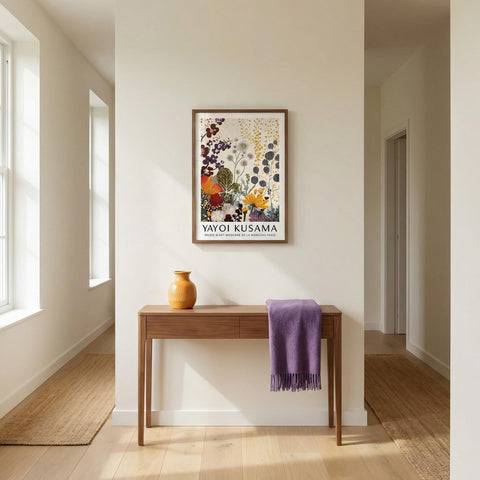
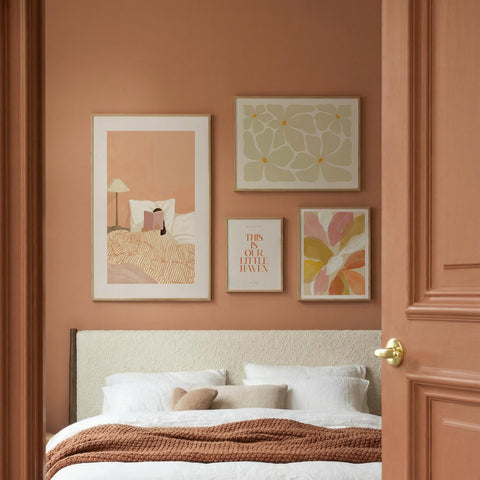
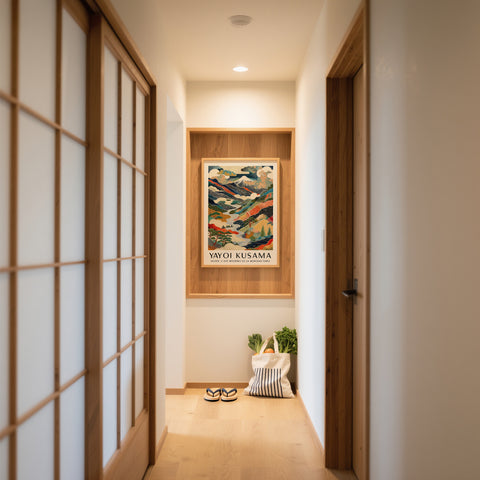
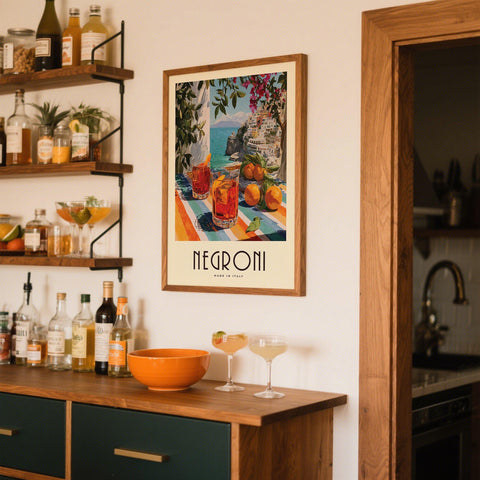
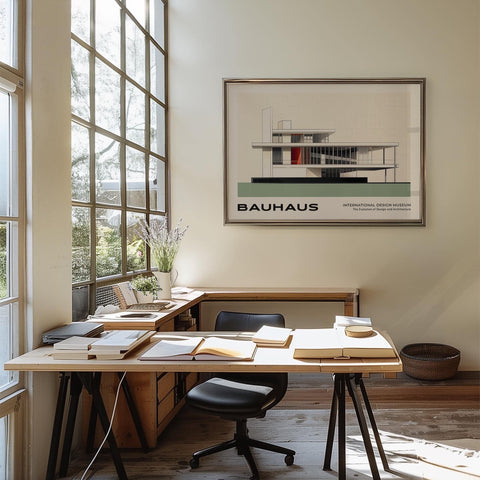
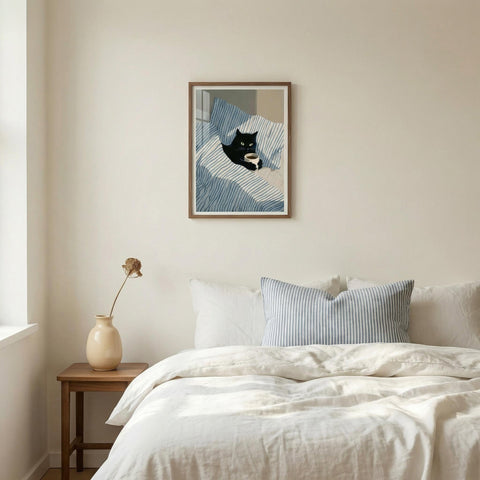
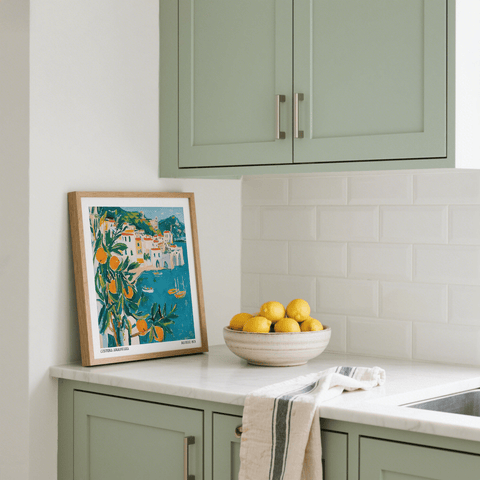
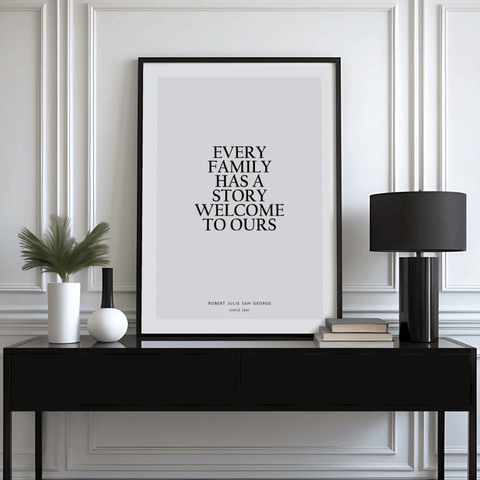
Minimalist posters offer a way to bring the aesthetics of minimalism into home spaces affordably. These posters highlight essential elements of design, using patterns, geometric shapes, and a limited palette to communicate character and feeling. A single framed minimalist poster can ground a reading nook, while a series of minimalist prints can add rhythm to a hallway. Minimalist prints and posters are especially popular as wall decor, as they suit many interiors and promote a sense of calm.
Minimalist posters often use white space and strategic tone as a method to direct attention to the main subject. The trend began as a response to ornate or cluttered art, with creators seeking to reject excessive detail. Thin wood, matte black, or metal frames in gold or silver keep the minimalist art look clean and sharp. Minimalist posters are now a staple of modern art, allowing anyone to browse collections online and easily find a work that fits their home.
Modern Art
Modern art forms the historical backdrop for minimalism, setting the stage for a radical shift towards simplicity. Artists previously engaged in expressionism and abstraction until minimalist painters responded by reducing form and palette. Key influences on the minimalist movement include the Bauhaus movement, which emphasized functionality and simplicity, and Marcel Duchamp's readymades, which challenged traditional notions of art. The result was a new direction that would lead to contemporary art innovations and shape later movements such as geometric abstraction.
Today, modern minimalism art stands as an important link within the broader art scene. Artists continue to explore the boundaries between minimalist and contemporary art forms, ensuring that this developmental thread remains vital and influential. Minimalism flourished in the 1960s and 1970s with key figures such as Carl Andre, Dan Flavin, Donald Judd, and Sol LeWitt. Museums like Tate Modern display these artworks, demonstrating their lasting value and relevance in the collection of twentieth and twenty-first-century pieces.
Contemporary Minimalist
The contemporary minimalist approach carries forward the legacy of minimalism while introducing updated materials and methods. New artists, including emerging artists from Germany and York, apply acrylic, digital media, and even sculpture to minimalist works, expanding the scope and medium of the movement. The development of minimalism is linked to that of conceptual art, which also flourished in the 1960s and 1970s. The result is a series of pieces with renewed fascination, marked by innovation and a sense of discovery.
Contemporary minimalist works often use color in unique ways, sometimes blending bold hues with the expected white or grey palette. This approach provides a fresh feeling and a clean, modern tone to any space, whether in a corporate setting or a personal collection. The best works continually challenge the viewer to respond emotionally, revealing the importance of simplicity in contemporary art.
Sol LeWitt
Sol LeWitt is one of the most influential minimalist artists, known for his methodical series and commitment to geometric abstraction. His approach emphasized process, with clear notes and instructions dictating how each art object was produced. The fact that LeWitt’s pieces were sometimes executed by assistants underlines his belief in the collective development of an idea. Similarly, artists like Lucio Fontana are known for their iconic minimalist works that feature cuts or slashes in the canvas, emphasizing the physicality of the medium.
LeWitt’s impact is most clearly seen through his work found in museums like the Tate and galleries throughout Germany and York. His paintings and sculptures are prime examples of minimalism’s goal to remove unnecessary detail, focusing on materiality and composition. The hope is always for the viewer to discover unique meanings within each form.
Minimalist Artists
Minimalist artists are known for clean, simple forms and radical approaches to painting, sculpture, and design. Alongside Sol LeWitt, creative figures such as Robert Morris and Anne Truitt have produced a variety of minimalist artwork. Their influence can be found in countless works, from acrylic paintings to white sculpture and square prints.
Contemporary minimalist artists continue the tradition by developing new series and collections, often rejecting traditional limits in favor of experimentation with shape, space, and tone. Artists like John M. Armleder are known for their multidisciplinary approach, incorporating performance, drawing, and sculpture into their minimalist works, which broadens the scope of the movement. The importance of minimalism is evident in its enduring popularity among viewers, collectors, and those hoping to find simplicity amid the complexity of modern life. The blend of materiality, emotion, and expression creates works that are both unique and timeless.
Conclusion
Modern minimalism art stands as a testament to the enduring importance of simplicity. Through the work of minimalist artists and the influence of key figures like Sol LeWitt, this movement continues to inspire viewers globally. Whether in minimalist posters, large-scale paintings, or sculpture, the fascination with minimal forms remains vibrant. As contemporary minimalist ideas blend with updated media and bold palettes, minimalism persists as a radical and creative force. The clean character of these works encourages everyone to discover the emotional power of less, offering hope, order, and clarity through art.