









Japan's most iconic mountain has inspired generations of artists, photographers, and travelers. The mt fuji landscape is more than just a view. It captures the spirit of Japan. From tea plantations and lakes to traditional prints, the beauty of Fuji has been shared across centuries.
Mount Fuji
Mount Fuji is the tallest mountain in Japan, rising to 3,776 meters. It's a near-perfect cone-shaped active volcano that last erupted in the early 1700s. Fuji stands on Honshu Island, not far from Tokyo, and remains a sacred site for many. Pilgrims have been climbing to the summit for generations. Today, it continues to draw visitors from around the world who come to witness its power and beauty.
The whole mountain is covered in snow during winter and often surrounded by clouds in summer. Its form dominates the surrounding landscapes, especially at dawn when the sunrise casts golden light across its slope.
Lake Kawaguchiko
One of the best places to view Fuji is Lake Kawaguchiko. Located at the foot of the mountain, this lake offers calm reflections of the mt fuji landscape. Photographers often shoot from here to capture the sky, mountain, and water in a single image. In spring, cherry blossoms frame the volcano. In autumn, vibrant leaves light up the hill and buildings around the lake.
Hotels and parking spots nearby make it easy for visitors to stay and explore. Whether you're in a group or traveling solo, Lake Kawaguchiko is a must-visit location to experience the true scale and surface of Mount Fuji.
Tea Plantation
Just south of Fuji, you’ll find traditional tea plantations. These green rows of bushes stretch across the land with Fuji towering in the distance. It's a popular subject for both photography and paintings. The contrast between the vivid green fields and the snow-capped peaks of the mountain creates a dramatic landscape.
Locals working in the fields have looked up at this magnificent volcano their entire lives. The tradition of growing tea in this area goes back centuries and reflects the deep cultural bond between the land and the people.
Katsushika Hokusai
No conversation about the mt fuji landscape is complete without mentioning Katsushika Hokusai. This legendary artist captured the mountain in many prints and paintings, helping shape how the world sees Fuji today. His work made Fuji a central subject in Japanese art.
Hokusai saw more than just a mountain. He captured its changing moods and appearances from different sites and seasons. His influence is still felt in modern print series and photography, where Fuji remains a symbol of inspiration.
Thirty Six Views
Hokusai's most famous print series is the Thirty Six Views of Mount Fuji. These works, created in the 1800s, show Fuji from various angles and times of year. Some focus on the crater, others on its perfect form from a distance. The most well-known piece in the set is "The Great Wave off Kanagawa," where Fuji appears small in the background.
The thirty six views highlight how deeply rooted the mountain is in Japanese art and tradition. Each piece in the series shows Fuji’s role in everyday life, from locals working to pilgrims climbing its slope. The art from this era has influenced many modern prints found at Laboo Studio.
Mt Fuji in the Present Day
In the present day, Fuji continues to be a powerful subject in both photography and printed art. Its scale and isolation make it a favorite for those looking to shoot large, dramatic scenes. It is also heavily photographed from hiking trails, lakes, and nearby cities.
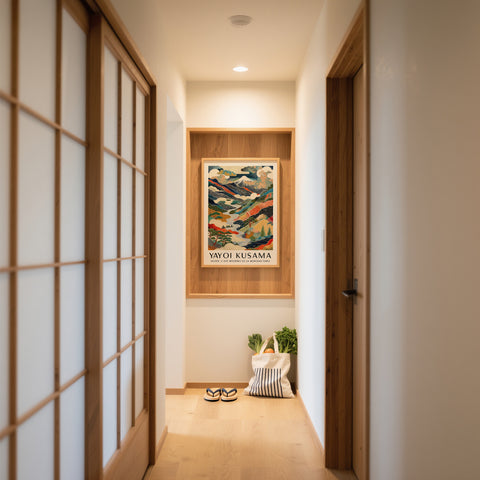
For those who can't travel to Japan, Fuji still appears in homes worldwide through wall prints, photos, and crafts. Laboo Studio’s mt fuji landscape print series celebrates this global fascination. Each image is carefully designed to reflect the beauty, power, and serenity of the mountain.





