Introduction
Paintings for house interiors represent one of the most impactful ways to transform your living space from ordinary to extraordinary. Whether you’re looking to create a calming bedroom retreat, energize your living room with bold abstract art, or add charm to a bare hallway, the right wall art serves as both a reflection of your personality and a cornerstone of your home decor strategy.
This guide covers everything you need to know about selecting, sizing, and styling paintings for residential spaces-including original artwork, canvas prints, reproductions, and art prints across various art styles. We’ll focus specifically on interior wall decor for houses, excluding outdoor murals and commercial installations. If you’re a homeowner, renter, or interior design enthusiast seeking to enhance your living environment, this resource addresses your core questions about finding pieces that complement your space and budget.
The direct answer: The best wall art for houses combines personal meaning with aesthetic harmony-pieces that match your room’s function, coordinate with existing furniture and decor, and reflect styles that genuinely resonate with you will always outperform trendy choices that lack personal connection.
By the end of this guide, you will:
Understand the differences between painting types, mediums, and their practical applications
Know how to select artwork room by room for maximum visual impact
Master sizing guidelines and placement formulas for professional results
Navigate budget considerations without sacrificing quality
Gain confidence in building a meaningful art collection over time
Understanding House Paintings and Wall Art
House paintings refer to artwork specifically chosen for residential interior spaces-pieces that serve both decorative and emotional purposes within your home. Unlike museum installations or commercial displays, paintings for houses must work within the practical constraints of daily life while creating the aesthetic and mood you desire.
Choosing artwork for a wall isn't just about filling space; it's about setting a tone, starting a conversation, and bringing texture and rhythm to a room.
For homeowners, wall art fulfills a fundamental need for personalization. Bare walls feel incomplete, while thoughtfully selected artwork transforms an entire room into a space that tells your story and provides visual beauty you can enjoy every day.
When choosing paintings, key considerations include scale, color harmony, and room-specific moods. The scale of the artwork should relate to the size of the wall and the furniture around it, color harmony ensures the piece complements your existing decor, and the mood should match the function and atmosphere you want to create in each room.
Original Paintings vs. Reproductions
Original paintings are one-of-a-kind works created directly by artists, offering unique texture, brushwork, and the allure of owning something no one else possesses. These pieces range from affordable works by emerging artists to investment-grade pieces commanding significant prices. Original artwork carries inherent value that often appreciates over time, making it meaningful both emotionally and financially.
Art reproductions, canvas prints, and giclée prints democratize access to famous works and contemporary art styles alike. A Van Gogh reproduction allows you to showcase impressionism in your living room at accessible prices, while high-quality canvas art of contemporary pieces lets you discover artists whose originals exceed your budget. Modern printing technology produces reproductions with remarkable color accuracy and durability.
Each type serves different needs: originals offer exclusivity and investment potential, while reproductions provide accessibility and variety. Many collectors mix both approaches, anchoring rooms with original pieces while filling supporting walls with quality prints.
Popular Painting Mediums for Houses
Oil paintings remain the classic choice for residential spaces, prized for their rich texture, depth of color, and centuries-proven durability. Acrylic works offer similar visual impact with faster drying times and greater resistance to cracking. Watercolors bring soft, translucent beauty ideal for creating calm, contemplative spaces.
Canvas prints have revolutionized home decor by making museum-quality reproductions affordable. Framed prints add traditional elegance, while gallery-wrapped canvas art provides a modern, frameless aesthetic. Mixed media pieces combine multiple materials for unique texture and visual interest that photographs cannot capture.
Understanding these mediums helps you match artwork to your space’s requirements-humidity in bathrooms and kitchens, for instance, favors acrylics and sealed prints over unprotected watercolors.
Choosing Paintings by Room and Style
With foundational knowledge of painting types and mediums covered, selecting artwork becomes a room-by-room process of matching function, mood, and existing decor elements.
Living Room and Main Spaces
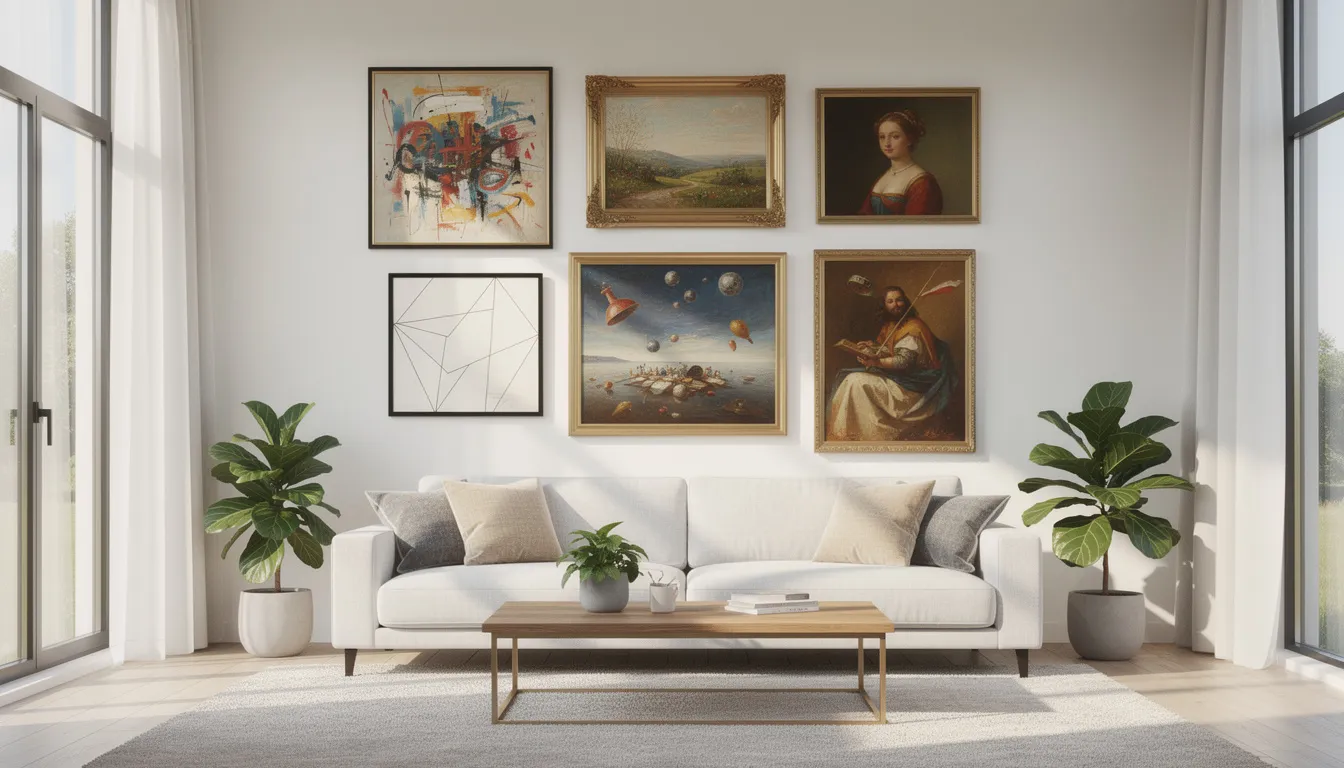
Living rooms demand statement pieces that anchor the entire room and create focal points for conversation and visual interest. Large-scale abstract art, dramatic landscapes, or bold contemporary works command attention above sofas and mantels. These spaces accommodate the most daring choices because they’re designed for energy, entertainment, and showcasing personality.
Gallery wall arrangements work exceptionally well in living areas, allowing you to create a collection that tells a story. Mix frame sizes, combine canvas prints with framed photographs, and vary art styles within a cohesive color palette. The key is intentional variety-curated eclecticism rather than random accumulation.
Color coordination with existing furniture remains essential. Pull accent colors from your artwork into throw pillows, rugs, or decorative objects to create visual harmony throughout the space. Warm-toned paintings complement wood furniture and earth-toned decor, while cool abstracts enhance modern homes with neutral palettes.
Bedroom and Private Spaces
Bedrooms call for artwork that promotes tranquility and calm rather than visual excitement. Personal photography, serene landscapes, soft abstract pieces, and intimate-scaled works create restful environments conducive to sleep and relaxation.
Consider positioning artwork where you’ll see it while waking rather than while falling asleep-the wall opposite your bed or above a dresser. Vertical pieces beside nightstands add visual interest without overwhelming intimate spaces.
Maintain style continuity with public spaces while shifting toward more personal, meaningful selections. The bedroom offers freedom to hang artwork that speaks to you alone, free from concerns about guest impressions.
Kitchen and Dining Areas
Kitchens and dining spaces present unique challenges: humidity, cooking residue, and the need for artwork that enhances rather than conflicts with food. Sealed canvas prints, framed pieces with glass protection, and moisture-resistant materials survive these environments best.
Still life paintings, botanical prints, and culinary-themed art feel naturally appropriate here. Vintage posters advertising markets, coffee, or wine add fun personality to kitchen walls. Smaller scaled works suit the typically limited wall space between cabinets, windows, and appliances.
Room selection summary: Match artwork energy to room function-bold for living spaces, calm for bedrooms, practical for kitchens-while maintaining cohesive style throughout your home.
Sizing, Placement, and Framing for House Paintings
Proper sizing and placement elevate good artwork to great wall decor. Even the perfect piece fails if hung at wrong heights or in disproportionate relationships with furniture.
Measuring and Sizing Guidelines
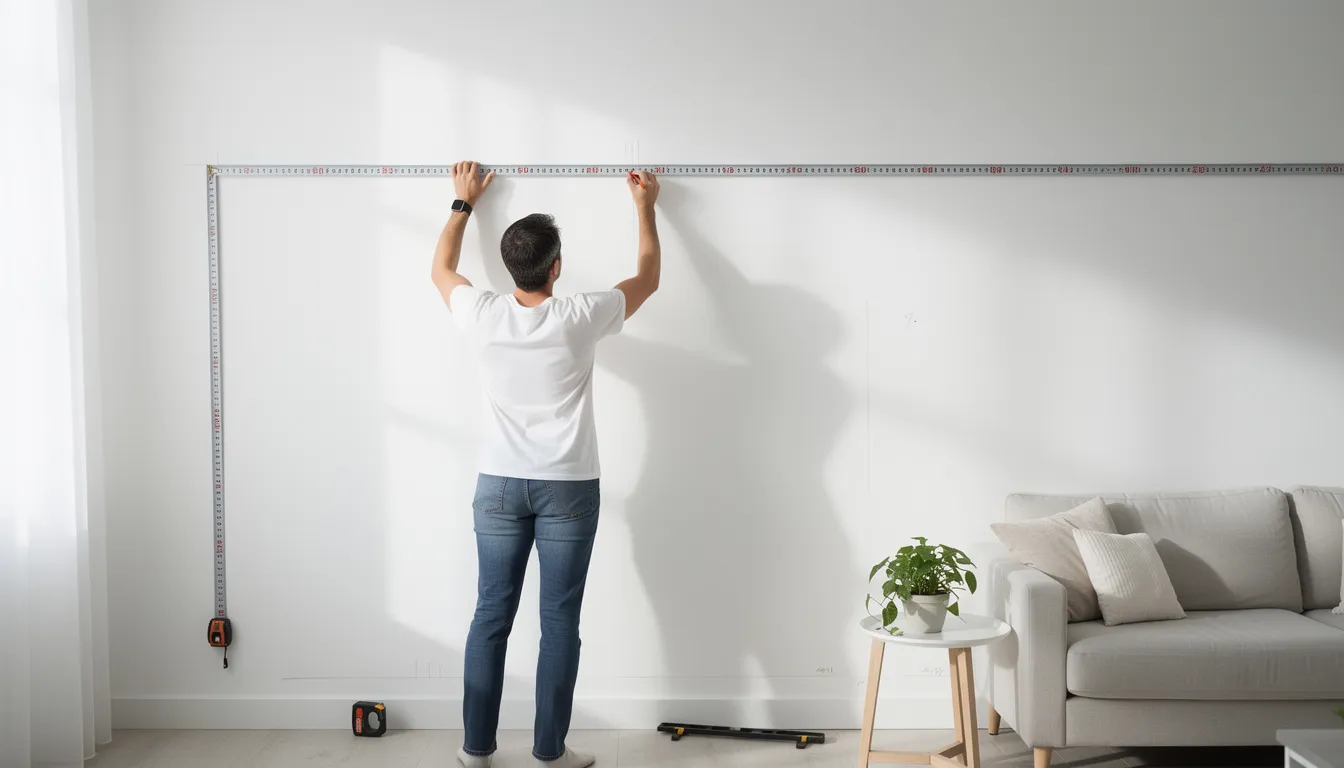
Begin by measuring available wall space before shopping. This simple step prevents the common mistake of purchasing artwork that overwhelms small spaces or disappears on large walls.
The two-thirds rule: Artwork above furniture should span approximately two-thirds the width of the piece below it. A 90-inch sofa calls for artwork or arrangements spanning roughly 60 inches. This proportion feels balanced and intentional rather than randomly placed.
Height placement: Hang artwork with its center at 57-60 inches from the floor-average eye level in most spaces. Above furniture, maintain 6-8 inches between the piece and the top of sofas, headboards, or consoles.
Ceiling considerations: Rooms with standard 8-foot ceilings suit horizontal pieces that emphasize width. Higher ceilings accommodate vertical artwork that draws the eye upward and fills the vertical space effectively.
Gallery wall spacing: Maintain 2-3 inches between frames for cohesive groupings. Plan arrangements on the floor before hanging, using paper templates taped to walls to visualize placement without creating unnecessary nail holes.
Frame Selection and Hanging Options
Frame Material |
Best For |
Aesthetic |
Price Range |
|---|---|---|---|
Wood |
Traditional and transitional spaces |
Warm, classic charm |
$30-$200+ |
Metal |
Modern homes, contemporary art |
Sleek, minimal |
$20-$150 |
Ornate/Gilded |
Formal rooms, classic paintings |
Elegant, museum-quality |
$50-$500+ |
Floating |
Canvas art, modern photography |
Clean, gallery-style |
$40-$180 |
Frame selection should complement both artwork and room style. Dark frames add weight and formality; light frames feel airy and casual. Match frame finishes to existing metal hardware and lighting fixtures for cohesive design. |
Budget vs. Quality Comparison
Factor |
Original Paintings |
Limited Edition Prints |
Mass Market Reproductions |
|---|---|---|---|
Price Range |
$200-$10,000+ |
$50-$500 |
$15-$100 |
Uniqueness |
One-of-a-kind |
Numbered, limited |
Widely available |
Investment Value |
Potential appreciation |
Modest collector value |
Decorative only |
Texture/Depth |
High |
Moderate |
Limited |
Customization |
Artist commissions possible |
Size options available |
Standard sizes only |
Your priorities determine the right choice. Browse Etsy for affordable originals from emerging artists. Shop established galleries for investment pieces. Purchase quality canvas prints when you love images beyond your budget. Most successful collections mix all three approaches strategically. |
Common Challenges and Solutions
Overwhelming Art Selection Options
The sheer volume of available artwork paralyzes many buyers. Millions of options across online galleries, local shops, and auction sites create decision fatigue before you’ve made a single purchase.
Solution: Start with constraints, not preferences. Identify your room’s dominant colors, determine the exact wall space dimensions, and establish a firm budget. These practical limits eliminate 90% of options immediately. From there, explore styles that genuinely move you rather than chasing trends.
Budget Constraints for Quality Artwork
Quality original artwork requires investment many homeowners cannot immediately afford. The gap between desire and budget creates frustration and often leads to settling for pieces that fail to satisfy.
Solution: Build your collection gradually. Anchor each room with one quality piece-even if it takes months to find and purchase-then supplement with high-quality prints and reproductions. Shop emerging artists on platforms like Etsy where originals remain affordable. Many galleries offer payment plans for significant purchases, allowing you to spend strategically over time rather than compromising on quality.
Commitment Issues with Large Art Purchases
Large artwork represents significant visual and financial commitment. Fear of making wrong choices leads to analysis paralysis or perpetually bare walls.
Solution: Start with smaller pieces to discover your preferences risk-free. Use removable hanging systems like Command strips for commitment-free experimentation. Choose versatile pieces in neutral tones that adapt to future decor changes. Remember that artwork can be rehung, donated, or sold-no choice is truly permanent.
Conclusion and Next Steps
The right paintings transform houses into homes that reflect your personality, create desired moods, and provide daily beauty that enriches your life. Whether you invest in original artwork, curate canvas prints, or mix approaches across rooms, thoughtful selection matters more than budget size.
Take these immediate steps:
Measure your primary wall spaces this week
Establish a realistic budget range for your first purchase
Identify 2-3 art styles that consistently attract you when browsing
Select one room to complete before moving to others
As your collection develops, explore proper lighting for artwork to maximize visual impact. Consider seasonal rotation to refresh spaces throughout the year. Many collectors find that initial purchases spark ongoing passion for discovering new artists and building meaningful collections that evolve alongside their lives.
Additional Resources
Online galleries and retailers: Saatchi Art for original contemporary works, Society6 and Redbubble for artist-designed prints, 1stDibs for vintage and antique pieces, Etsy for affordable originals from independent artists.
Local resources: Regional art fairs, university MFA exhibitions, and local gallery walks provide opportunities to discover artists, see artwork in person before purchasing, and support your creative community.
Practical tools: Museum-quality hanging hardware from OOK or Hangman, laser levels for precise placement, picture hanging calculators for spacing gallery walls, and professional framing services at local shops or chains like Framebridge for custom work.