

Paintings In Walls
When you add paintings in walls, each artwork becomes a contributor to your home's atmosphere and a tool for expressing your unique style. From minimalist modern wall art to vibrant abstract art or striking museum quality pieces, paintings help set the tone for a space. Hanging art at eye level turns a wall into a gallery that invites interest and conversation. Whether you're displaying a single piece or creating complex grid patterns, the right wall art selection and arrangement create harmony and depth within your interior design. Start your journey by considering how paintings can complement your existing decor and overall color scheme for a polished, curated result.
Wall art is more than decoration-it's a statement. Framed prints, canvas art, and original artworks give you endless choices. The key is to find pieces that reflect your taste and fit well within your wall space. A well-thought-out wall decor plan will help you maximize visual interest and personality in your home decor, no matter your room’s size or function.
Gallery Wall
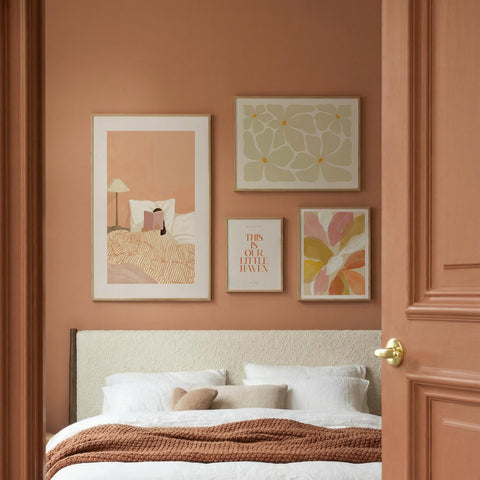
Creating a gallery wall is an excellent way to curate a collection of artworks and photos, beautifully displaying your personal style. Gallery walls can make a big impact in any room, from the living room to the dining room or a hallway. They allow you to combine smaller artworks, canvas art, art prints, and even mirrors or other elements. Textile wall hangings can provide texture and depth to wall art displays, adding a tactile dimension to your arrangement. Choosing a grid pattern for your gallery wall gives a clean, modern aesthetic, while an organic arrangement of eclectic pieces evokes creativity and movement.
Start by laying out your artworks on the floor to envision various arrangements. Consider the size, frame, and color scheme of each painting or art print to ensure they complement each other. Hang art at even intervals, maintaining a consistent space between frames, or create a dynamic look with varied gaps. The gallery wall should span two thirds the length of the furniture beneath it, such as a sofa or dining table, for visual balance. Remember, gallery walls offer flexibility-swap in new prints or smaller artworks over time to refresh the look and preserve your unique style.
Hang Wall Art
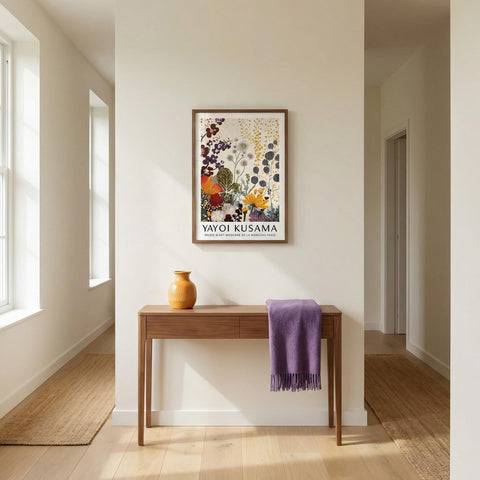
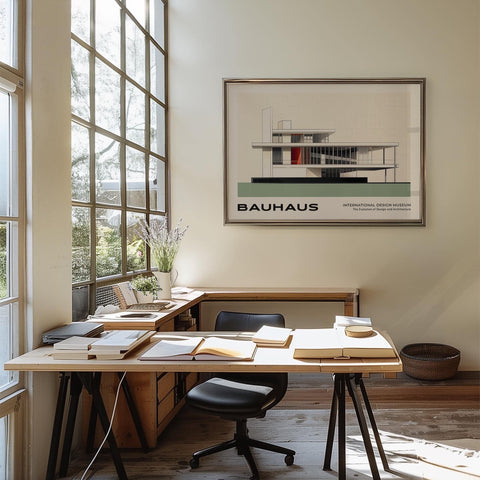
Knowing how to hang wall art properly is essential to achieving a harmonious look in your living space. The general rules for hanging art suggest that the center of each frame should be at eye level-typically 57–60 inches from the floor. Always use appropriate hardware and consider the weight of your frame, especially for canvas art or oversized pieces. Smaller artworks should be used intentionally, such as in hallways or layered on shelves, to maximize their impact without overwhelming the space. If hanging above furniture like a bed, sofa, or side table, the bottom of the artwork should be 6–12 inches above the top of the furniture piece to anchor the display closer to your furniture without overwhelming the wall.
For gallery walls, measure carefully and mark your desired positions with painter’s tape for precise arrangements. To hang art in a grid pattern, use a level and a measuring tape to keep all frames aligned. When displaying a single large piece, center it with reference to furniture or the entire wall to make it your focal point. A few tips: always double-check before making holes, use wall anchors if needed, and keep your art straight for a polished look.
Art Prints
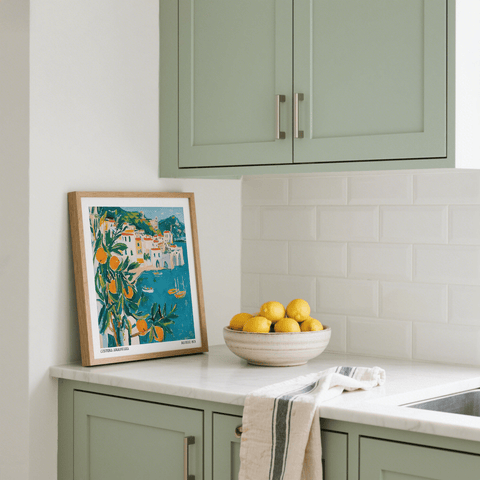
Art prints offer an accessible way to bring style, color, and sophistication to your walls without the investment of originals. Available in many styles-modern wall art, abstract art, and classic reproductions-art prints provide great flexibility. You can source art prints online from artists or shops, and often select from different sizes, papers, and options like framed prints or float mount presentations.
Mixing art prints with original paintings can result in a visually interesting gallery wall or supplement a large piece with smaller artworks for variety. Art prints are perfect for smaller spaces, accent areas like a side table, or to fill wall space in the dining room or living room. Choosing the right frames and color schemes ensures your prints blend seamlessly with your other decor elements.
Art Print
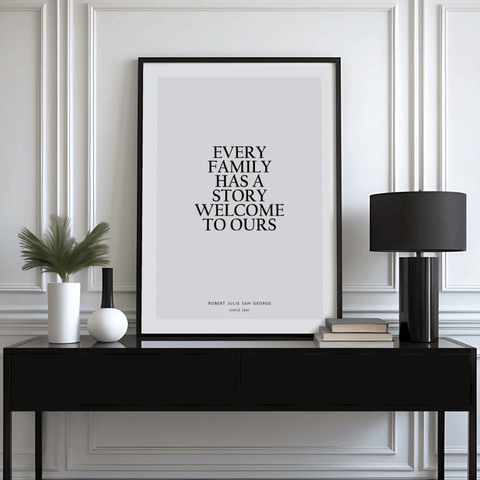
An art print can stand alone as a single piece on a small wall or form part of a larger collection. High-quality art prints, especially those produced on canvas or premium paper, mimic the look and feel of original art and are often ready to hang. A well-chosen art print can complement your color scheme and serve as an excellent way to test out a style before committing to a first purchase of a more expensive painting.
Framed art prints can also serve as a focal point, particularly when selected in bold colors or modern abstract styles. Whether used within a gallery wall or as a mini-collection, art prints can bring your aesthetic vision to life with little effort and great impact.
Hang Art
Learning how to hang art goes beyond the technical. Consider the wall space, lighting, and existing decor when planning your display. For a cohesive collection, use frames with similar finishes or matting. When grouping artworks, keep the gap between each piece consistent, and keep them at eye level for the best viewing experience.
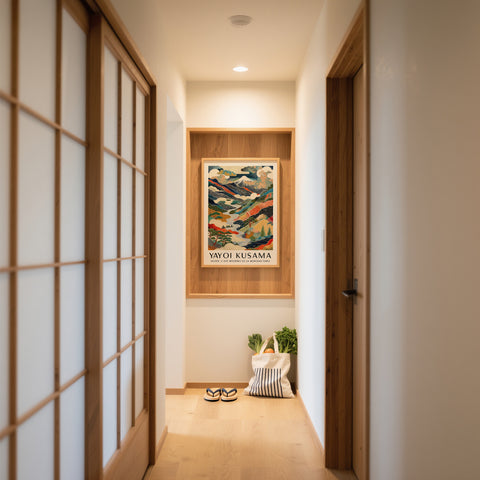
For larger spaces, hang an oversized piece as a dramatic focal point. For narrow spaces or hallways, a row of small artwork or prints in a grid pattern can lengthen the perception of the room. Always experiment-sometimes, hanging an artwork lower near a side table or above the floor can add unexpected appeal to your space.
Interior Design
Wall art is a fundamental element of interior design. The perfect pieces visually connect all other elements within your living space, establishing harmony. Interior design wall art might be used to inject color, reinforce a modern style, or introduce motifs that match your aesthetic and furnishings. Popular wall mural themes include nature scenes, cities and landscapes, abstract art, geometric patterns, and animals, offering a wide range of options to suit any style. A thoughtful painting selection can tie together your sofa, floor rug, and lighting for a finish that's both stylish and comfortable.
Interior design strategies often suggest using paintings as a backdrop to unify a collection of eclectic pieces or as a means to introduce contrast with contemporary or abstract art. When selecting pieces, aim to complement (not compete with) your home decor and existing architectural details for a cohesive yet creative atmosphere.
Focal Point
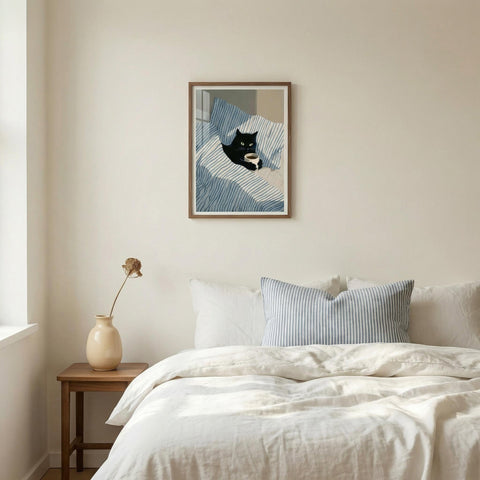
Every room benefits from a focal point-a key area or object that draws the eye and serves as an anchor for design choices. Paintings in walls are an ideal focal point, especially when you use a large piece, an eye-catching work of modern wall art, or a bold piece of canvas art. Placing your artwork centrally above the main furniture, such as a sofa or bed, makes the room feel organized and intentional.
For gallery wall arrangements, use the largest or most colorful artwork as the visual anchor, then arrange smaller artworks or framed prints around it. Your focal point doesn't always have to be in the center-it might be elevated or offset for a modern twist, depending on your wall space and furniture placement.
Visual Interest
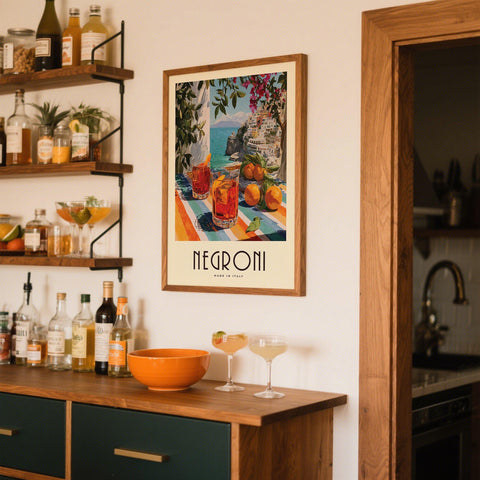
Creating visual interest starts with mixing styles, shapes, and sizes within your wall art selection. Abstract art styles, eclectic pieces, and artwork with unique frames introduce personality beyond the ordinary. Adding canvas art, museum quality prints, and small artwork in unexpected spots, like between shelves or above a side table, keeps the eye moving and the space feeling dynamic.
Contrasting finishes, such as gloss on paintings and matte on photographic art prints, add tactile depth, while a float mount elevates certain works for extra shadow and definition. Consider color scheme as well-placing complementary tones creates subtle harmony, while color contrasts introduce excitement and fresh energy to your home decor.
Home Decor
Your approach to home decor is incomplete without considering wall art. Paintings, framed prints, and canvas art work together with furniture, textiles, and light to communicate your unique style. Select wall art that echoes your perfect choice of style-whether that’s classic, contemporary, or something in between.
For a cohesive look, match your artwork frame materials to existing elements: a black frame for modern interiors, natural wood for Scandinavian-inspired spaces, or metallic finishes for urban glamour. With a few tips on balance and contrast, wall art helps transform every space, from a small bedroom to an entire room filled with light and life.
Museum Quality
If you’re seeking an elevated look, choose museum quality paintings or canvas art. These pieces offer exceptional craftsmanship, using archival materials that ensure lasting color and texture. A museum quality painting stands the test of time and commands attention. For example, a reproduction of a historical work in float mount adds gravitas to your collection and fits beautifully on any wall or above major furniture like a dining table or bed.
Museum quality art prints and framed prints are also available, delivering impact at lower price points. These pieces often come ready to hang, simplifying the decorating process while maintaining elegance and style.
Large Piece
A large piece of wall art can make a dramatic statement, particularly in open-concept areas or as the defining element of your living room or dining room. Oversized pieces-whether modern abstract art, canvas art, or high-impact photography-draw the eye and help anchor your decorating scheme.
When choosing a large piece, ensure it matches your color scheme and complements your existing decor. The artwork should generally be about two thirds the length of the furniture below, such as a sofa or dining table, for the perfect balance. Large pieces are ideal as a single piece display or as the dominant element in a gallery wall arrangement.
Right Size
Finding the right size for your wall art is key for balance. Oversized pieces suit large walls or statement areas, while small artwork works well in clusters or for filling gaps near doors, above a side table, or along a hallway. As a general rule, the art should never overpower your space or be so small that it looks lost on a large wall.
Measure your wall space and furniture to determine the perfect choice of size. Visualize with paper templates before hanging, especially if you’re planning a gallery wall-as little thought as possible goes a long way in keeping your arrangement tidy and harmonious.
Living Room
The living room is where wall art often takes center stage. Whether you’re creating a gallery wall above the sofa, hanging a single oversized piece above your main furniture, or arranging smaller artworks near a side table, your choices set the tone for the entire room. Opt for art that complements your furniture and existing color scheme, and consider the functions of the space, such as hosting guests or relaxing.
Canvas art and framed prints in this room can reflect your unique style, mixing modern and classic pieces. Experiment with shape and orientation, from portrait art prints rising above the floor lamp to landscape paintings stretching across an entire wall.
Conclusion
Creating beautiful paintings in walls arrangements transforms every room-whether with a single large piece, a thoughtfully planned gallery wall, or a creative mix of prints and paintings. From selecting museum quality work to displaying small artwork in unexpected spaces, wall art provides an opportunity to express style and inject visual interest into your living space. The Mexican Muralism movement of the 20th century, led by artists like Diego Rivera, used large-scale murals for social and political commentary, showcasing how wall art can also serve as a powerful medium for storytelling. Focus on the right size, match your color scheme, and hang art at eye level for a polished result. With a few tips and attention to your unique style, your walls become canvases for creativity, making your home truly one-of-a-kind.