



Poster Size
Poster size matters a great deal when creating visuals for various purposes. Common options range from small prints used in schools to large ones for outdoor advertising. The most standard sizes include 11x17 inches for small posters, 18x24 inches for mid-sized prints, and 24x36 inches for big, impactful designs often seen at concerts or on bus stops. A concert poster typically measures 18 x 24 inches, making it a popular choice for events. Standard sizes like 18x24 inches are often more cost-effective and easier to frame than custom sizes. Always consider the intended location, whether a classroom bulletin board or a tall outdoor display, to determine which dimensions will serve your purpose best.
Remember, before you proceed, check the width and height needed to fit your available space. Large posters attract more attention from passersby and are ideal for advertisements, while small posters work well for decorative purposes or educational presentations. Deciding on the correct size from the start saves time and money on reprinting.
Custom Poster
Sometimes, events like concerts or house parties demand a custom poster. When you can’t find the size you need among the standard sizes, it’s wise to order a custom size tailored to your specific requirements. Custom posters let you adjust the design, width, and height, ensuring your poster fits precisely where you want to mount it.
To create a custom poster, use software that supports custom dimensions. PowerPoint and other design software allow you to set the width and height before you enter text, images, or charts. Microsoft PowerPoint is the preferred software for poster creation. Be sure to review your file before submitting it for printing. A custom poster is perfect for unique projects or when you need to add graphs, a background image, and plenty of space for colorful fonts.
Adding striking photos and images makes your posters more engaging. Select high-quality files so the printed result remains sharp and vibrant even when enlarged. High-quality images should be used for background images to avoid pixelation.
Poster Sizes
Knowledge of poster sizes helps you select the right fit for any occasion. Small sizes are common for school projects and house decorations, while large poster sizes are frequently used for events or outdoor advertising. When you create posters for a bus stop or train station, opt for big dimensions that provide enough room for large fonts and bold images. The photo poster size is 16 x 20 inches, which is a great option for personal or decorative use. The closest international size equivalent for photo posters is A2.
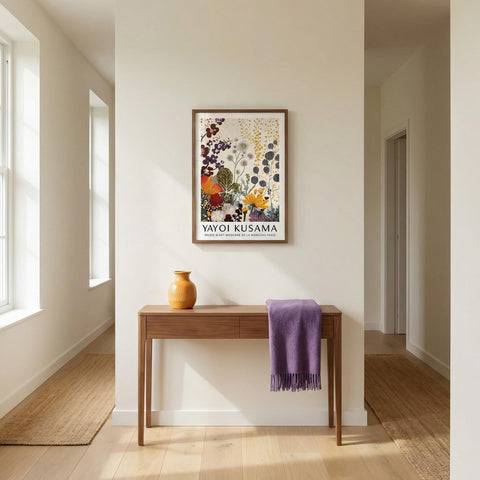
Some posters are tall and narrow, which is ideal for certain spaces or for specific types of messages. Always remember to adjust the width and height according to the area where you plan to mount your poster. Measure available wall space for proper poster fitting; a good rule is that the poster width should be about two-thirds of the width of the furniture it is above. Tables available online often show the most common poster sizes and their typical uses. Movie posters are commonly sized at 27 x 40 inches, making them a standard for promotional displays. The closest international size equivalent for movie posters is B1.
Are you planning to print posters in bulk for events like community performances or school presentations? Select sizes that suit both your content and your audience’s attention.
Background Image
Adding a background image gives your poster extra impact and can be crucial for decorative purposes or advertisements. When choosing a photo or graphic as your background, ensure the image resolution matches the poster's dimensions, so the quality does not diminish after printing. Contrast between background and text is also important for readability. Use light backgrounds for text to improve readability. PowerPoint and design software let you layer a background image behind your main message.
Choose images that work harmoniously with your chosen fonts and colors. Sometimes, simple backgrounds are ideal for drawing attention to the main text, especially in outdoor advertising.
Print Posters
To print posters effectively, always review your file and check the quality of the images used. The type of printer and paper you select plays a major role in the final printed product. Many opt for professional printing services to ensure large sizes and vivid colors turn out as planned.
When submitting posters for printing, follow all instructions regarding file format, size, and bleed areas. Otherwise, parts of your design may be cut off in the final print. If you want to print in-house using your own printer, be mindful of your device's maximum paper size.
Printed posters are popular for school presentations, concerts, advertisements, and even bulletin boards. Preparing files using software like PowerPoint or graphics suites makes the process easier.
Design and Layout Tips
Are you planning to print posters in bulk for events like community performances or school presentations? Select sizes that suit both your content and your audience’s attention. Submitting poster printing requests at least 10 days in advance is recommended to ensure timely delivery.
Choose contrasting colors to help important notes stand out. Use easy-to-read fonts for all key text. When planning your layout, create drafts with different designs and review them on your screen and when printed. Avoid using special font stylings like drop shadows, gradients, or 3D effects for boxes and fonts.
Preparing Files and Submitting Orders
Before submitting, check if your file meets the print shop’s quality requirements. Add crop marks if needed, and use CMYK colors for accurate printing. Remember to include all images and fonts when sending your poster file.
Follow all instructions from the printer or print service to ensure your posters are printed correctly. If you are creating posters for community events or advertisements, leave enough space at the bottom for mounting or adding last-minute notes. Printing services offer same-day pickup for select sizes of custom posters.
Mounting, Display, and Impact
After printing, the action of mounting posters on the wall or bulletin boards requires planning. For big posters in high-traffic locations like bus stops, choose mounting hardware that provides strong support. For small posters at home or school, poster putty and tape work well.
The impact of your poster depends on its size, colors, and eye-catching design. Posters for concerts, bus advertisements, or large community events should use bold fonts and high-contrast images to grab attention. Bus stop posters standardly measure 40 x 60 inches, providing ample space for impactful visuals and text. The closest international size equivalent for bus stop posters is B0.
Always plan ahead and decide on the poster's dimensions, designs, and content before proceeding with printing. Ready-made designs are available from many printers, but custom options allow for unique combinations of width, height, and images.
Additional Useful Notes
It’s commonly recommended to size your text and font based on viewing distance. For small spaces, choose compact fonts and minimal images. For large outdoor advertising, use tall letters, big photos, and limited text.
Add your house number, event location, or dates neatly on posters for community gatherings. When you create a poster for school, always proofread your work before printing or submitting.
Finally, provide clear instructions for mounting, and remember to check your printed poster for quality issues before any events.
Conclusion
Selecting the right poster size is key whether you are preparing for concerts, house events, or school presentations. By planning the width, height, and design before printing, you ensure your project looks professional and attracts attention. Remember to use quality images, consider the space for mounting, and add all necessary details. With the right combination of fonts, images, and poster sizes, your posters will make a big impact at any event or location.