

Japanese art has fascinated people worldwide for centuries. From traditional woodblock techniques to modern interpretations, the appeal of these works has never faded. Japanese art prints blend culture, history, and design, offering collectors and homeowners a way to bring a piece of Japan into their spaces.
Woodblock Prints
When most people think of Japanese prints, they picture japanese woodblock prints, also known as woodblock prints. This traditional style, developed during the Edo period, allowed artists to create multiple copies of the same artwork, making art accessible to a wider audience.
Masters like Hokusai and Hiroshige produced landscapes, portraits, and scenes of daily life that remain famous today. Their works, especially ukiyo e designs, influenced Western art and continue to inspire contemporary artists.
Collectors still pay attention to these details: the type of paper, the richness of the ink, and the precision of the carving. Original woodblock prints can sell for hundreds or even thousands, depending on rarity and condition.
Japanese Prints
Beyond woodblock traditions, the term japanese prints covers a wide range of styles. Artists in Japan have long adapted printmaking techniques, from early methods to modern processes. Today’s contemporary prints carry on the legacy, often merging old techniques with new ideas.
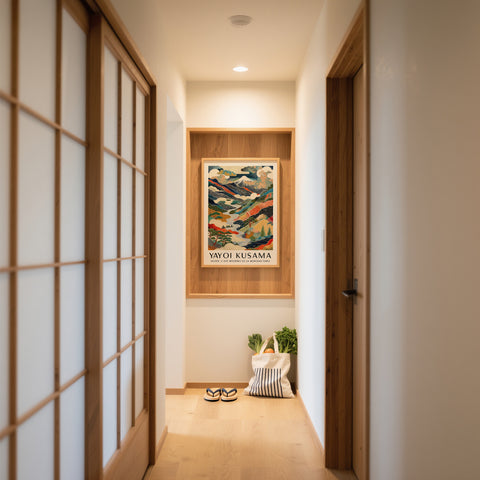
Some prints highlight nature, echoing classic motifs of mountains, rivers, and seasonal changes. Others focus on modern cityscapes, giving a fresh view of Japan’s evolving identity. This balance between tradition and modernity makes Japanese printmaking an active, evolving art form.
For those looking to start a collection, prints are often more affordable than paintings. The price can vary based on the artist, size, and edition, but it’s possible to purchase a piece of Japanese artwork without paying museum-level costs.
Ukiyo E
The term ukiyo e means “pictures of the floating world.” These prints captured entertainment, fashion, and pleasure scenes in Edo-period Japan. Kabuki actors, tea houses, and courtesans filled the frames, giving people an accessible form of popular culture.
But ukiyo e was more than entertainment. Many of these works showed deep appreciation for nature, with sweeping views of Mount Fuji, waves, and flowering trees. Today, ukiyo e prints are collected worldwide, valued not just for their artistry but also as cultural documents.
For modern buyers, ukiyo e can still be found in reprints and adaptations. Some contemporary artists pay tribute to this style, offering their own takes while keeping the visual language alive.
Prints Japanese Art in Modern Life
In today’s market, Japanese prints are sold across the globe. From galleries in Tokyo to online platforms, it’s easier than ever to search and purchase a piece that fits your style. Sellers offer everything from rare originals to modern editions at a wide range of prices.
Whether you’re adding to an existing collection or buying your first print, consider the story behind the artwork. Each piece connects you to centuries of Japanese printmaking and the artists who shaped it. Prints Japanese art remains more than decoration—it’s a living link to culture, creativity, and the beauty of Japan.