

Retro Painting Ideas
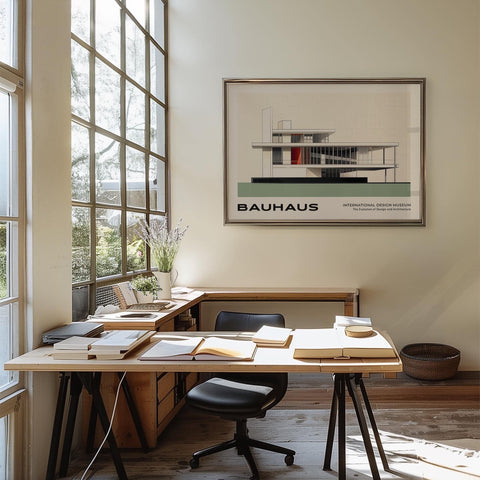
Retro painting ideas encompass a range of art forms and styles rooted in the aesthetics of the past. You can look to yesteryear for inspiration, whether you adore mid-century modern designs, bold 80s graphics, or pop culture artwork from the 60s. Think about old album covers, movie advertisements, and quirky illustrations when searching for inspiration. Specific art movements like Art Deco, Mid-century Modern, Art Nouveau, or Bauhaus can also inform retro aesthetics, offering a rich variety of styles to explore. Bauhaus, in particular, is known for bold color blocks, geometric compositions, and clean lines, which can add a modern yet retro touch to your designs. Additionally, halftone patterns can simulate the look of old comic books or posters, adding a nostalgic and graphic element to your artwork.
To create your own retro art, try painting classic objects from the past like vintage telephones, cassette tapes, or advertisements with a twist. Use a combination of bright color palettes, funky patterns, and layered designs to make your art pop on your walls. The key is to add energy and personality to your space. Iconic objects from the past, such as boomboxes, old cars, and vintage advertisements, can serve as excellent inspiration for your designs. Pop culture references, including iconic imagery from 20th-century movies, music, and television, can also add a nostalgic and recognizable touch to your artwork.
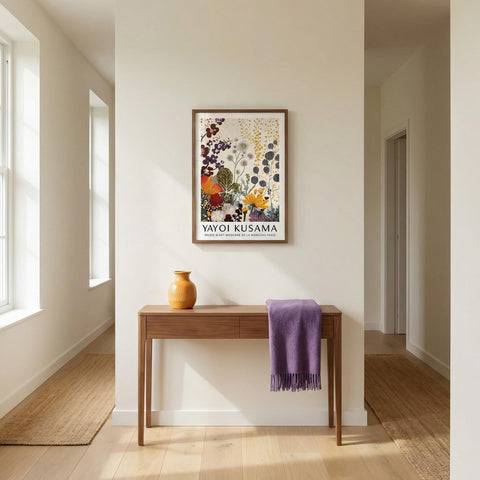
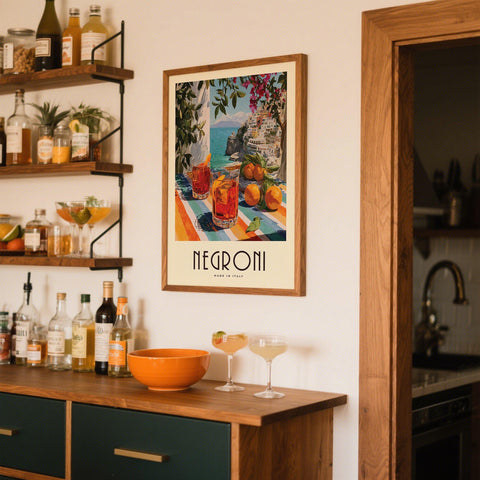
Another perfect source of ideas is Pinterest, where you can find hundreds of retro painting ideas ranging from minimalist to maximalist. Many users showcase their own canvas art and wall art displays, making it easy to spot the unique styles that work for your home decor and match your taste. Framed vintage posters are another great way to add color and personality to a neutral room, creating a striking focal point. Curating an assortment of botanical-themed vintage art can also create an inspiring gallery wall, blending natural elements with retro charm.
Retro Art
Retro art stands out because it draws inspiration from the past while adapting it to today’s decor trends. Look for repeating motifs such as bold lines, fluid curves, and mod color blocking. These designs often recall the advertisements and pop artwork seen in the mid-20th century. Mid-century modern art, in particular, features geometric patterns and color palettes typical of the 1950s and 60s, making it a timeless choice for retro enthusiasts. For a more vibrant and futuristic retro vibe, consider incorporating 1980s neon synthwave colors like bright purples, hot pinks, teal blues, and glowing greens into your designs.
If you want to create your own retro art, first select the decade or style that speaks to your sense of nostalgia. You can add a touch of 70s flare with psychedelic patterns or bring a chic 50s diner vibe with classic menu advertisements. Using the colors and looks from yesteryear will guarantee your artwork feels authentic and complete. For a 1970s vibe, consider earthy disco color palettes that combine browns, avocado green, mustard yellow, and burnt orange.
Don’t forget to frame your finished canvas with a vintage-style frame or shadow box. This not only completes the look but also helps showcase your talent and your piece as a one-of-a-kind creation for your room or home. Thin wooden frames in materials like walnut or teak are particularly effective for enhancing the retro look, especially for Mid-Century Modern styles.
Wall Art
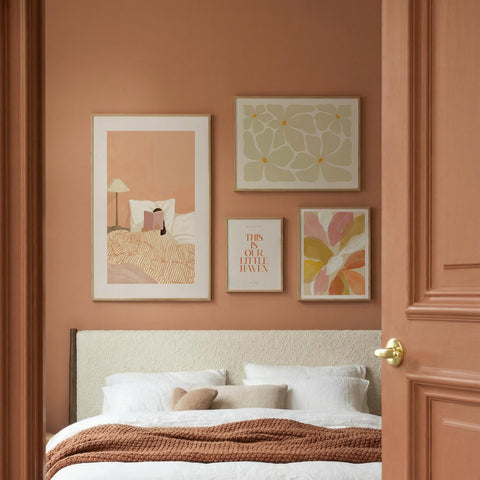
When it comes to retro wall art, large canvas paintings or a series of smaller canvases arranged in a gallery wall are always a hit. Try to find or create pieces that combine elements from the designs you love-maybe a splash of neon color here or an oversized retro font there. Such details will add dynamic presence to your walls. To ensure an organized aesthetic, plan your gallery wall carefully to avoid clutter and create a cohesive look. For a bold and vibrant touch, consider incorporating 1960s psychedelic color palettes featuring high-contrast, swirling colors like electric blue, neon pink, vibrant orange, and lime green.
You can also create custom wall art by repurposing old advertisements or finding printable designs online. Hang them in your space for an instantly personalized room. Another perfect idea is to use stencils to paint iconic retro shapes-like boomerangs, rectangles, or polka dots-directly onto your canvas or even your walls for a bolder approach. For a weathered, vintage look, try a distressing technique by applying a base coat, a top coat, and lightly sanding the surface. This technique can give your artwork an authentic aged appearance.
If you’re decorating a living room or a creative space, mix your retro wall art with other decor items such as vintage clocks, lava lamps, or old-school record players. This adds depth and a truly inspired vibe to your home. Retro flora and fauna, painted with bold, swirling colors typical of the 60s and 70s, can also bring a vibrant and dynamic touch to your decor. Additionally, nostalgic scenes like sun-faded beach views, vibrant carnival or amusement park imagery, or still-life paintings of vintage items can further enhance the retro atmosphere. Botanical prints can be showcased alongside real pressed flowers for added dimension in decor, creating a unique and layered look.
Choosing the Right Color and Design
Color selection plays a crucial part in the overall feel of retro art. Look for bold, contrasting hues like teal and orange, mustard and brown, or pink and turquoise. These combinations were popular in yesteryear and are certain to add excitement to your artwork. For a softer, nostalgic touch, you might also explore 1950s Atomic Age pastels such as mint green, sky blue, soft pink, and butter yellow, which evoke a sense of mid-century charm.
For designs, geometric patterns and stylized figures are perfect for retro wall art. Try painting stylized suns, flowers, or even type-heavy advertisements that harken back to the past. These elements add that unmistakable sense of nostalgia to your room.
Tips for Displaying Retro Artwork
To best showcase your retro creations, select a prominent wall where your artwork will stand out. A feature wall in your living room or above a modern credenza is perfect. If you’re looking to create a gallery, mix framed prints and hand-painted canvases for a layered effect.
Remember to add lighting for your wall art to give it life and focus. Spotlights or small lamps can bring out the vibrant colors and details of your retro designs. Layer your decor by mixing wall art with sculptural or 3D artwork for extra dimension.
DIY Retro Painting for Every Space
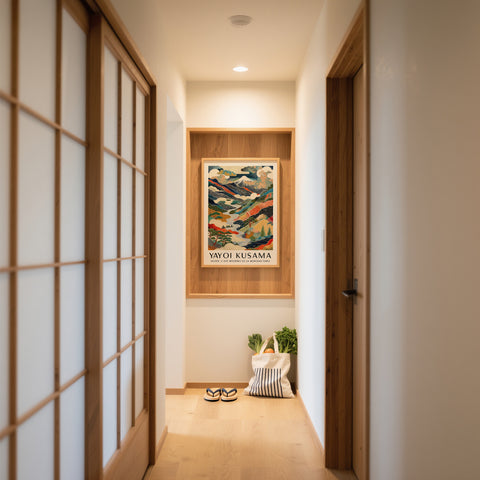
Retro art isn’t limited to large home spaces. Get creative in the kitchen, hallway, or your workspace by painting canvases that showcase quirky 70s kitchen gadgets, advertisements from the past, or playful shapes. You can even create matching mini canvases for a coordinated look above your desk or add a series of geometric prints to a bare hallway wall.
If you enjoy the process, involve your family or friends and turn your retro artwork project into a group activity. This brings nostalgia and new life into your space while adding a personal story to your home’s decor. Alternatively, you could host a design contest to get ideas from designers around the world for your retro artwork, ensuring a diverse and creative range of styles to choose from.
Conclusion
Retro painting ideas let you bring the nostalgia, color, and fun of the past into any modern home. Using inspiration from advertisements, old designs, and the bold motifs of yesteryear, you can create unique artwork that transforms ordinary walls into vibrant showcases. Whether you paint your own canvas or collect retro wall art, these ideas will add the perfect touch of personality to your space. Take inspiration from the retro art movement, experiment with color, and enjoy the process of decorating with pieces that reflect both your creative side and your love for the designs of the past.