Introduction
Traditional artwork represents the foundation of artistic expression, encompassing time-honored methods like oil painting, watercolor, and classical drawing techniques that artists have practiced for centuries. These art forms carry the accumulated wisdom of master craftsmen who transmitted their skills through apprenticeship systems, creating a living bridge between past and present.
Traditional art includes various mediums such as oil paintings, acrylic paintings, and pencil drawings.
This guide covers traditional mediums, styles, and techniques that define classical artistic practice. We focus on established materials and methods-oil paints, watercolors, pastels, charcoal, and canvas work-while leaving digital art and contemporary experimental forms for other discussions. Whether you’re an art enthusiast looking to deepen your appreciation, a collector seeking to understand what you’re acquiring, a student beginning your artistic journey, or someone who wants to bring meaningful artwork into your home, this content addresses your specific needs.
Traditional art refers to artwork created using established techniques and materials practiced for generations, including oil paintings, watercolors, pastels, and classical drawing. These methods prioritize technical mastery, cultural preservation, and emotional depth over conceptual abstraction.
By exploring this guide, you will gain:
Understanding of different traditional mediums and their unique characteristics
Recognition of major artistic movements from Renaissance to Impressionism
Knowledge of essential techniques used by master artists like Vincent van Gogh and Rembrandt
Appreciation for the enduring value of classical art forms in modern life
Practical guidance for creating or collecting traditional artwork
Understanding Traditional Artwork
Traditional artwork encompasses art created using time-tested materials and techniques passed down through generations of artists. This form of artistic expression serves as a visual embodiment of cultural heritage, beliefs, and social identity, where each brushstroke carries the weight of accumulated human experience.
The relevance of traditional art extends far beyond aesthetic pleasure. These practices preserve cultural repositories against oblivion, maintain technical knowledge that might otherwise disappear, and provide emotional connections that contemporary forms often struggle to replicate. When you browse a collection of classical paintings, you’re witnessing centuries of refined craftsmanship.
Traditional Mediums
Oil paints stand as perhaps the most celebrated traditional medium, prized for their exceptional longevity and superior blending capabilities. Artists can work these paints for extended periods before they dry, allowing for subtle gradations and corrections that other mediums cannot accommodate. The rich, luminous quality of oil painting has made it the preferred choice for portraiture and large-scale compositions throughout Western art history.
Watercolor presents entirely different properties, offering transparency and a quick-drying nature that demands confident, decisive brushwork. This medium excels at capturing atmospheric effects, fleeting light conditions, and delicate subject matter. Its unpredictability becomes part of its charm-happy accidents often enhance the final piece.
Pastels, charcoal, and graphite serve as the foundation for drawing applications, each offering distinct textural qualities. Charcoal delivers dramatic darks and expressive marks, while graphite provides precision for detailed studies. Pastels bridge drawing and painting, offering rich color saturation with the directness of dry media.
The choice of medium profoundly affects artistic expression and permanence. Oil paintings on canvas can survive centuries with proper care, while watercolors require protection from light to prevent fading. Understanding these characteristics helps collectors and creators make informed decisions.
Traditional Styles and Movements
Realism, impressionism, and classical academic painting represent three pillars of traditional art style. Academic painting emphasized idealized representations, anatomical accuracy, and historical or mythological subjects, reflecting the training systems of European art academies from the Renaissance through the 19th century.
Renaissance masters developed techniques that revolutionized visual representation. Sfumato-the subtle blending of tones without visible transitions-allowed artists like Leonardo da Vinci to create mysteriously atmospheric portraits. Chiaroscuro, the dramatic interplay of light and shadow, gave figures three-dimensional presence and emotional intensity, reaching its peak in Baroque works by Caravaggio and Rembrandt.
These artistic movements emerged directly from the capabilities of available materials. The development of oil painting in the Northern Renaissance enabled the luminous glazing techniques that define that era’s aesthetic. Later, the portable paint tubes invented in the 1840s liberated artists like Claude Monet to paint outdoors, directly observing the fleeting effects of light that define Impressionism.
With this understanding of materials and movements established, we can examine the specific techniques that bring traditional artwork to life.
Essential Traditional Art Techniques
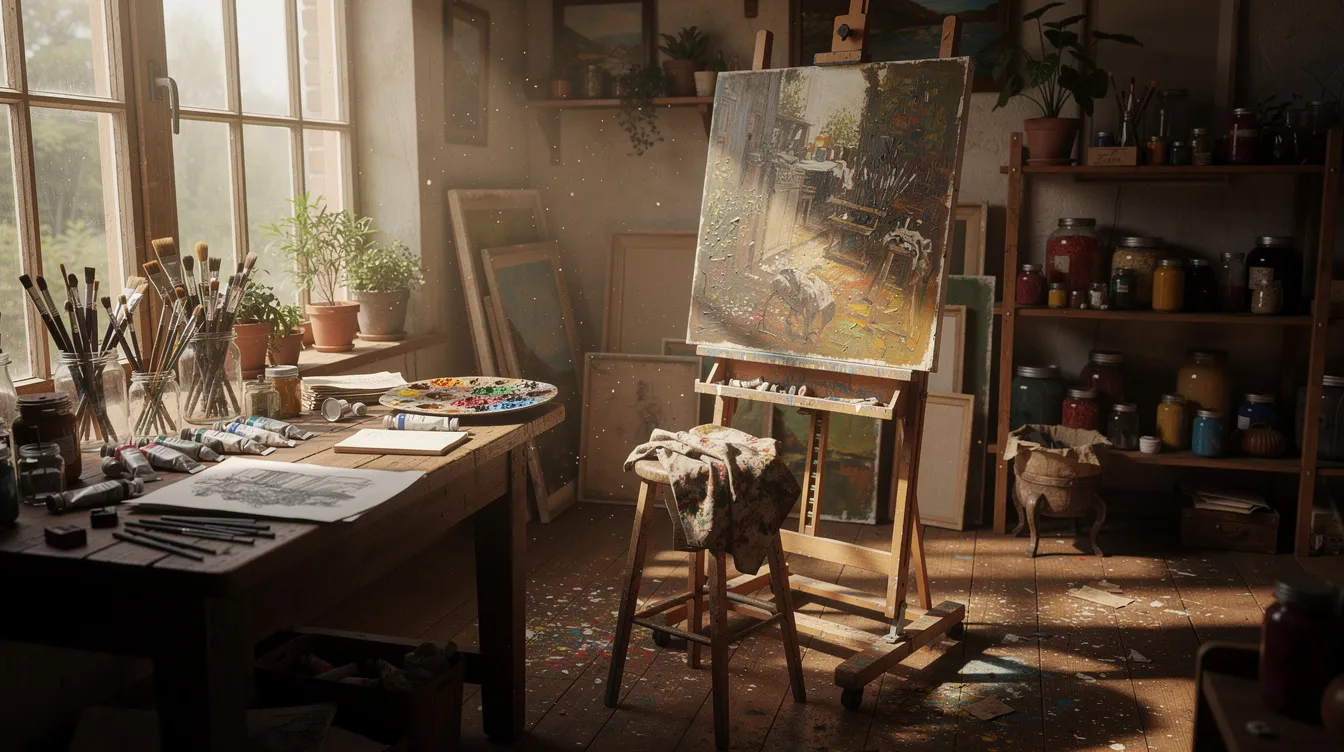
Building on the foundation of mediums and historical movements, practical technique represents where artistic vision meets material reality. These methods transform raw pigments into emotionally resonant images that viewers can admire across generations.
Painting Techniques
Glazing involves applying thin, translucent layers of paint over dried underlayers, creating optical color mixing and luminous depth impossible to achieve through direct application. Old masters used glazing extensively, sometimes applying dozens of layers to achieve their signature effects. Scumbling works conversely-dragging opaque or semi-opaque paint over textured surfaces to create broken color effects and atmospheric haze.
Wet-on-wet watercolor techniques allow colors to flow and merge organically, perfect for skies, water, and soft atmospheric effects. Wet-on-dry application provides sharper edges and more controlled results. Artists frequently combine both approaches within a single painting, building from loose washes to precise details.
Color mixing and temperature theory underpin all painting traditions. Warm colors (reds, oranges, yellows) advance visually and convey energy, while cool colors (blues, greens, purples) recede and suggest calm. Artists use temperature contrasts to create spatial depth and emotional dynamics without relying solely on value changes.
Drawing Fundamentals
Perspective principles enable artists to create convincing spatial illusions on flat surfaces. Linear perspective uses vanishing points and convergence lines to represent three-dimensional space mathematically. Atmospheric perspective mimics how distant objects appear lighter, bluer, and less distinct due to intervening atmosphere.
Shading transforms flat shapes into apparent volumes. Hatching uses parallel lines of varying density, cross-hatching layers these lines at angles, and blending smooths transitions for photographic effects. Each technique carries distinct visual character-hatching preserves a handmade quality that allows viewers to trace the artist’s process.
Drawing forms the foundation upon which painting builds. Even the most painterly artists like Vincent van Gogh maintained rigorous drawing practices, understanding that confident line work supports confident brushwork. His energetic marks in paintings like Starry Night emerged from thousands of hours studying natural forms through drawing.
Composition Principles
The rule of thirds divides the picture plane into a nine-section grid, placing key elements at intersection points to create dynamic balance. The golden ratio offers a more sophisticated mathematical approach to pleasing proportions, appearing throughout nature and classical architecture.
Balance operates through visual weight distribution-a small area of intense color can balance a larger area of neutral tones. Contrast draws attention and creates hierarchy, while focal points guide the viewer’s eye through the composition. Master artists orchestrated these elements intuitively, as evidenced in Vermeer’s carefully constructed interior scenes.
Leonardo da Vinci’s The Last Supper demonstrates composition as narrative tool-Christ positioned centrally with disciples arranged in dynamic groupings that express their emotional responses. Rembrandt’s portraits use dramatic lighting to focus attention on faces while allowing backgrounds to dissolve into suggestive darkness.
Mastering these techniques enables artists to move beyond mere representation toward genuine artistic expression. This technical foundation also informs practical decisions about creating and collecting traditional artwork.
Creating and Collecting Traditional Artwork
With technical knowledge established, we can address practical applications-whether you seek to create traditional art yourself or bring significant pieces into your collection at home.
Steps to Begin Traditional Art Practice
Beginning artists benefit enormously from starting with traditional methods before exploring other approaches. The discipline required to master classical techniques builds skills transferable to any artistic pursuit.
Select appropriate materials and workspace setup: Start with quality student-grade supplies rather than cheapest options. A stable surface, good natural light, and organized materials prevent frustration. Canvas panels or quality paper make excellent starting surfaces.
Master basic drawing skills and proportions: Spend substantial time on observational drawing before adding color. Practice measuring angles, proportions, and negative spaces. This foundation supports all subsequent development.
Practice color theory with simple still life subjects: Arrange familiar objects under consistent lighting and study how colors interact. Mix colors deliberately, keeping notes on successful combinations. Simple subjects allow focus on technique without compositional complexity.
Progress to complex compositions and advanced techniques: Gradually introduce more challenging subjects, multiple light sources, and sophisticated color relationships. Study master works through museum visits and quality reproductions.
Traditional Artwork Investment Comparison
When searching for traditional art to purchase, understanding your options helps you find pieces matching your budget and collecting goals.
Criterion |
Original Paintings |
Fine Art Reproductions |
Limited Edition Prints |
|---|---|---|---|
Investment Value |
Highest appreciation potential |
Minimal investment value |
Moderate appreciation possible |
Authenticity |
One-of-a-kind artist creation |
Copy of original work |
Artist-authorized reproduction |
Price Range |
$500 to millions |
$50 to $500 |
$100 to $5,000 |
Availability |
Often limited, requires search |
Widely available to shop |
Limited by edition size |
Original paintings offer the greatest potential for appreciation and provide the irreplaceable experience of owning a unique creation. However, quality reproductions allow art enthusiasts to enjoy beloved images affordably, while limited edition prints represent a middle ground-authorized by artists and produced in controlled quantities. |
|||
Your choice depends on whether you’re collecting primarily for aesthetic enjoyment, investment potential, or both. A room decorated with beautiful reproductions brings genuine pleasure, while original works carry additional significance as unique cultural artifacts. |
|||
 |
The Timeless Appeal and Decorative Value of Traditional Art
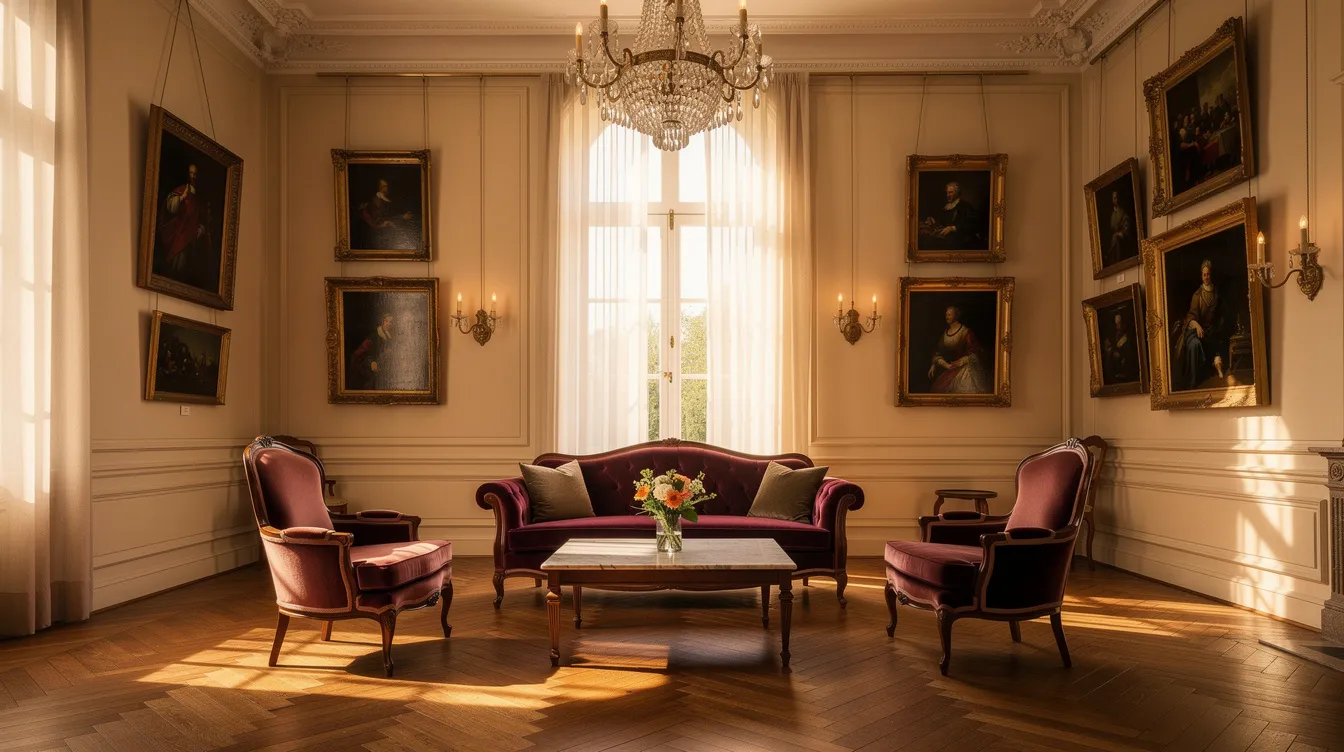
Traditional art pieces are positively timeless and always in style, making them a perennial favorite among art lovers and collectors. Their enduring appeal lies in their ability to transcend fleeting trends, offering a classic aesthetic that never goes out of fashion. Incorporating traditional art into your home decor can instantly enhance the ambiance and give any space an elegant, refined feel. Whether displayed in a living room, hallway, or office, these works serve as both focal points and conversation starters.
High-quality reproductions of traditional oil paintings allow art enthusiasts to enjoy the beauty and sophistication of classic masterpieces at a fraction of the cost of originals. Many art lovers appreciate the vibrant colors and craftsmanship of hand-painted reproductions, which can provide the same decorative and inspirational qualities as the originals. These accessible options make it possible for more people to bring the timeless charm of traditional art into their homes.
Beyond their decorative value, traditional artworks inspire creativity and showcase the remarkable skill of artists throughout history. Displaying such pieces can appeal to visitors, highlight your appreciation for artistic excellence, and serve as a testament to the creativity and technical mastery that define traditional art forms.
Common Challenges and Solutions
Both creators and collectors of traditional art encounter specific challenges that, addressed properly, preserve artwork for future generations.
Paint Cracking and Deterioration
Paint cracking typically results from improper surface preparation, incompatible paint layers, or environmental stress. Solution: Prepare canvas or panel surfaces thoroughly with appropriate gesso, follow the “fat over lean” principle when layering oil paints (more oil content in upper layers), and allow adequate drying time between sessions. Controlled environments with stable temperature and humidity prevent expansion and contraction damage.
Color Fading and Preservation
Pigments deteriorate when exposed to ultraviolet light, humidity fluctuations, and pollutants. Solution: Display artwork away from direct sunlight and use UV-filtering glass when framing. Maintain consistent humidity levels between 40-60%. For selling or storing valuable pieces, use archival-quality materials throughout-acid-free mats, conservation-grade mounting, and proper backing boards.
Authentication and Provenance
The art market includes forgeries and misattributed works, making authentication essential for significant purchases. Solution: Request complete provenance documentation tracing ownership history. For valuable acquisitions, invest in professional appraisal from certified experts. Consult auction records and catalogue raisonné publications for an artist’s verified body of work. Reputable galleries provide certificates of authenticity and stand behind their attributions.
Understanding these challenges prepares both artists and collectors for the long-term commitment traditional artwork represents.
Conclusion and Next Steps
Traditional artwork embodies humanity’s accumulated visual wisdom, offering emotional depth, technical sophistication, and cultural significance that reward sustained engagement. Whether you approach these forms as creator, collector, or appreciator, understanding traditional methods enriches your relationship with art throughout life.
Take these immediate steps to deepen your engagement:
Visit local museums with strong traditional art collections-observe brush techniques, color relationships, and compositional choices firsthand
Enroll in a drawing or painting class emphasizing classical techniques
Start with basic drawing materials and commit to regular observational practice
Browse gallery websites and auction page listings to develop your eye for quality and style preferences
Consult reputable art dealers when ready to begin or expand a collection
Related topics worth exploring include comprehensive art history surveys, contemporary artists working within classical traditions, and hybrid approaches that bring traditional techniques into dialogue with digital tools.
Additional Resources
Recommended Art Supply Brands: Winsor & Newton, Gamblin, and Old Holland represent quality oil paint manufacturers. Arches and Fabriano produce excellent watercolor papers. Faber-Castell and Caran d’Ache offer superior drawing materials.
Notable Museum Collections: The Metropolitan Museum of Art, the Louvre, the National Gallery (London), the Rijksmuseum, and the Prado house exceptional traditional artwork spanning centuries and cultures.
Essential Books: The Artist’s Handbook by Ralph Mayer provides comprehensive technical guidance. The Story of Art by E.H. Gombrich offers accessible art historical context. Juliette Aristides’ Classical Drawing Atelier presents structured curriculum for developing traditional drawing skills.