

Ukiyoe tiger
The ukiyoe tiger is a classic subject from Japan’s Edo period. Artists used the tiger to show strength, courage, and watchful calm. Many original works were rendered as woodblock prints. Others appeared as hand-painted scrolls. Japanese tiger art is characterized by its bold, minimalist style, which continues to captivate audiences. Today the motif feels fresh again. A single tiger image can set the tone of a room and add an elegant edge. Japanese tiger prints are highly sought after by art enthusiasts and collectors, making them timeless treasures.
Japanese art
Ukiyoe sits within a wide world of japanese art. It captured daily life, theater, landscapes, and powerful animals. Tigers were rare in Japan, so artists studied pelts and Chinese paintings. The result was a stylized look that still reads as great design. Ukiyo-e served as a form of mass communication, with prints acting as advertisements for kabuki theater and the pleasure quarters. The Edo period had a profound influence on the development of Japanese art, including tiger prints, shaping their unique aesthetic. During the Edo period, ukiyo was reinterpreted to describe the ephemeral, stylish, and hedonistic lifestyle of the newly prosperous merchant class. Simple lines, bold stripes, and clear shapes make the tiger stand out across time.
Woodblock prints
Traditional woodblock prints involve carving a design into wood, inking the surface, and pressing it to paper. Color prints use several blocks, one for each hue. The process creates crisp edges and a lively texture. Ukiyo-e was a mass medium produced using woodblock printing that could be inexpensively reproduced and purchased by a broad audience. Woodblock printing allowed artists to mass-produce intricate designs, including those featuring tigers, making them accessible to a wider audience. When you choose a tiger print from Laboo Studio, you get that same spirit with archival paper and careful color matching.
The Tiger’s Symbolism: Strength, Love, And Protection
The tiger signals strength and resolve. It also carries notes of protection for the home. Some prints hint at love and loyalty, showing a parent tiger guarding a cub. Others face head-on, a quiet sign of fearlessness. Tigers were often depicted in bamboo groves, symbolizing a harmonious society ruled by a just leader. If you want a focal point that speaks without shouting, a tiger is perfect.
From Edo To Today: A Short History
Early depictions arrived through trade and stories from japan and beyond. Over time, the image evolved. Artists blended imported ideas with local taste. The term ukiyo originally had Buddhist connotations of a transient, sorrowful world. After the Edo period, the style returned in waves. Museums kept interest alive. Designers reimagined the motif for modern interiors. The appeal never left. In the 19th century, ukiyo-e prints became popular in Europe and influenced Impressionist and Post-Impressionist artists through a trend known as Japonisme. Each year, more homes discover the look and make it their own.
Painting Vs. Prints: What To Choose
A painting offers unique brushwork and one-of-one charm. Prints give you precision and a range of sizes at friendly prices. If you value texture and spontaneity, lean to painting. If you prefer clarity, detail, and choice, pick a print. Many collectors start with prints, then proceeding to commission a painting for a special wall.
Choosing The Right Size And Style
Think about viewing distance and wall space. Large tigers feel elegant in living rooms. Smaller pieces suit entryways or shelves. A simple black and white print works with minimal decor. Color versions bring warmth to neutral rooms. Laboo Studio offers a variety of formats, from portrait heads to full figures in motion. Start with the space, then pick the tiger that completes the scene, completing the look without clutter.
How To Purchase Ukiyoe Tiger Prints At Laboo Studio
Shopping with Laboo Studio is easy. Choose your design and size, then add it to your cart. We offer fast shipping with careful packaging. Before you purchase, you can review images and details on the product post page. If an edition is sold out, look for the sign on the page and join the restock list. At checkout, double-check your address to verify delivery. You will see a clear final summary before you click pay. If you need help proceeding, our support team will guide you.
Caring For Your Print: Final Tips
Keep prints out of direct sun. Use UV-protective glazing if possible. Frame with acid-free mats. Dust the frame lightly over time. If a print is ever damaged, contact a framer rather than trying to fix it yourself. Proper care ensures your tiger looks as vivid as the day it returned from the frame shop.
Frequently Paired Motifs: The Dragon And The Tiger
In East Asian art, tiger and dragon often appear together. The tiger stands for earth and discipline. The dragon stands for sky and energy. The tiger and dragon motif symbolizes the military power of the samurai. The balance of yin and yang can be represented by a Red Tiger and a Blue Tiger. Hang a single tiger for calm authority. Or pair it with a dragon print to show balance in motion. The duo can anchor a hallway or studio wall.
Where To Place A Tiger Print In Your Home
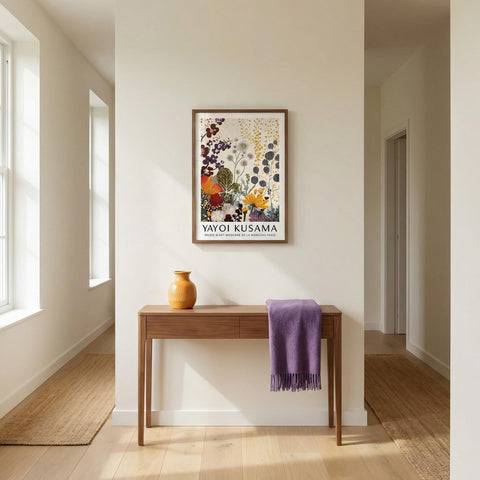
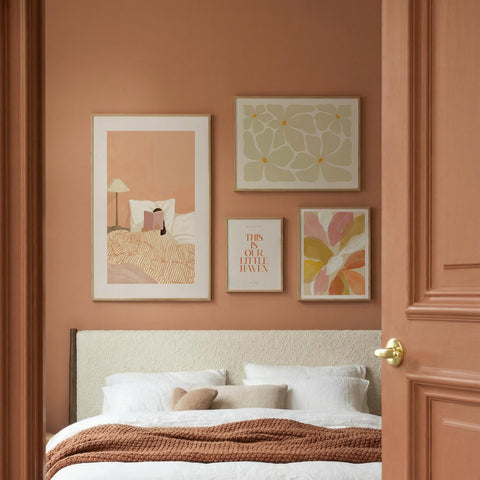
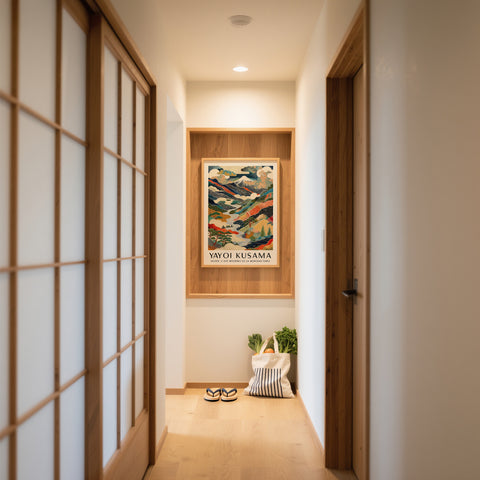
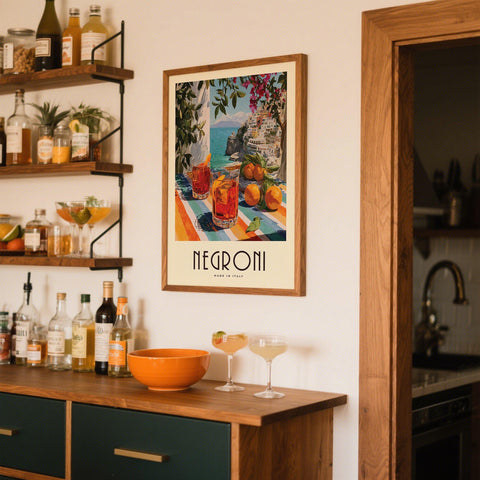
Over a sofa for a confident focal point. Near a desk for focus and drive. In an entry for a bold welcome. Bedrooms lean toward softer colorways and seated poses. Kitchens and studios love lively stripes and strong diagonals. Wherever you hang it, the ukiyoe tiger will add clarity and purpose to the room.
Laboo Studio Collections To Explore
Browse our Tiger Art Prints, Japanese Woodblock Reimagined, and Minimal Black Ink collections. You will find classic heads, prowling figures, and serene portraits. Each piece is carefully rendered for crisp detail and long life. New designs arrive through the year, so check back often.
Why The Motif Still Matters
The tiger holds many stories. It can hint at history, ritual, and even the cycle of life and death. Yet it remains open to your own meaning. That is the beauty of ukiyoe. It gives you a strong image and space to breathe. The motif of a tiger in bamboo signifies overcoming sin and chaos with the strength to navigate obstacles. Hang one, live with it, and let the message grow over time.