Introduction
Vintage Mexican folk art represents handcrafted objects created by skilled artisans before 1980, encompassing pottery, textiles, woodcarvings, tin work, and glass from culturally rich regions like Oaxaca, Puebla, and Michoacán. These pieces blend indigenous Mesoamerican traditions with Spanish colonial influences, resulting in unique artistic expressions that reflect centuries of cultural evolution.
This guide covers regional styles, traditional materials, artisan techniques, and collecting practices for those interested in authentic vintage Mexican folk art. Contemporary reproductions, mass-produced items, and tourist souvenirs fall outside this scope. Collectors, interior designers, and cultural enthusiasts seeking genuine pieces for home decoration or collection building will find practical guidance for identifying, authenticating, and acquiring these remarkable works.
Vintage Mexican folk art encompasses handmade objects from Mexico’s indigenous and mestizo communities, typically created between 1920-1980, featuring distinct regional styles and traditional techniques that distinguish them from modern reproductions through authentic patina, original materials, and evidence of hand production.
By reading this guide, you will gain:
Recognition of key regional characteristics from Oaxaca, Puebla, Michoacán, and Guerrero
Understanding of traditional materials including clay, wood, natural pigments, and handspun textiles
Authentication methods to distinguish vintage pieces from modern reproductions
Practical collecting strategies and dealer relationship guidance
Display and conservation considerations for maintaining your collection
Key Terms and Styles
Vintage Mexican folk art, or arte popular, refers to colorful, functional, and ceremonial handicrafts that blend indigenous Mesoamerican traditions with Spanish colonial influences. Common styles include Talavera pottery (noted for intricate blue and white designs from Puebla), Alebrijes (brightly painted, fantastical creatures made from copal wood or papier-mâché), and a wide range of textiles. Artisans use natural materials such as clay, wood, tin, and paper to create pottery, wood carvings, textiles, and more. Other key forms include clay sculpture, glass art, painted canvas and cloth, rugs and textiles, signs and wall art, and sculpture in stone and metal. These works often reflect daily life, spirituality, and the vibrant culture of Mexico.
Understanding Vintage Mexican Folk Art
Mexican folk art, or arte popular, is a diverse tradition of colorful, functional, and ceremonial handicrafts that blend indigenous Mesoamerican roots with Spanish colonial influences. Each region of Mexico is known for distinctive art forms, passed from maker to maker over generations, reflecting the spirit of its makers and telling the story of Mexico's diverse regions and peoples. Understanding the regional and cultural diversity of Mexican folk art provides a foundation for appreciating its styles and techniques.
Vintage Mexican folk art consists of authentic handcrafted objects reflecting indigenous and colonial artistic traditions passed through generations of artisans working within family workshops and indigenous communities. These pieces served ceremonial, utilitarian, and decorative purposes, with each item bearing the distinctive marks of its maker’s hand.
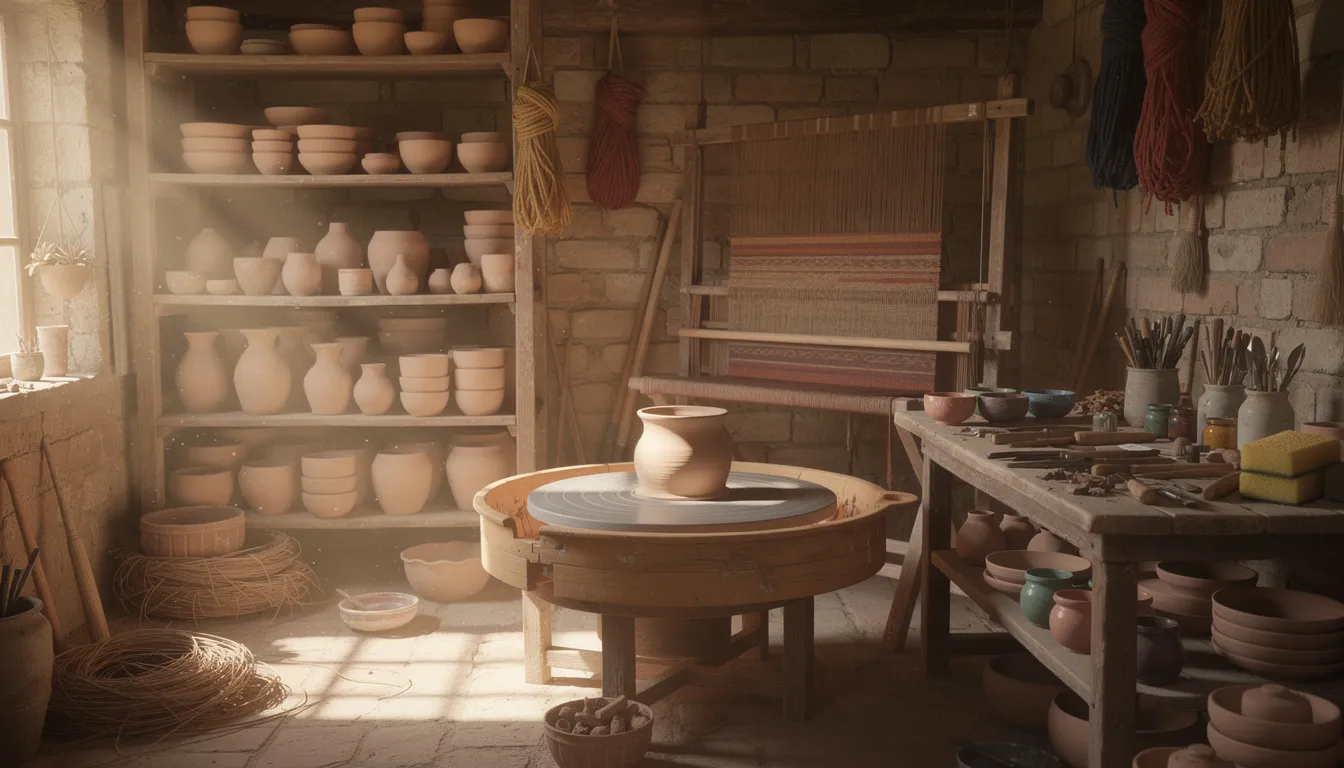
The 1920-1980 timeframe represents the most sought-after period for collectors because it captures Mexican folk art production after the cultural nationalism of the post-Revolution era but before widespread tourism commercialization altered traditional practices. Pieces from this period demonstrate refined techniques while maintaining authentic materials and cultural integrity.
These vintage works differ fundamentally from contemporary folk art and commercial reproductions through their materials, construction methods, and evidence of genuine use. Authentic vintage pieces show natural aging, tool marks from hand production, and patina development that cannot be convincingly replicated in modern workshops focused on volume sales.
Indigenous Foundations
Pre-Columbian artistic traditions from Zapotec, Mixtec, and other Mesoamerican cultures established the technical and aesthetic foundations found in vintage Mexican folk art. These ancient civilizations developed coil pottery, backstrap loom weaving, stone carving, and metalworking techniques that artisans continued practicing through the colonial period and into the 20th century.
Ceremonial objects and daily-use items from specific indigenous communities demonstrate unbroken artistic lineages. Small ceramic fertility figures with characteristic forms trace directly to Tehuacán and Veracruz traditions dating to 1500 BCE, while Oaxacan black pottery maintains connections to Zapotec clay-working methods.
Vintage pieces reveal ancient techniques through careful examination. Hand-coiled pottery shows spiral construction lines invisible in wheel-thrown work, while textiles from backstrap looms display the narrow panel widths characteristic of this pre-Hispanic technology that indigenous women still employ in traditional communities.
Colonial and Post-Revolution Influences
Spanish colonial contact introduced transformative materials and techniques including mineral glazes, potter’s wheels, open-top kilns, wool, silk, glassblowing, and copper and tin working. These European elements merged with indigenous traditions to create hybrid art forms like the Saltillo sarape, which combines pre-Hispanic weaving with Spanish design influences.
The 1910 Mexican Revolution sparked cultural nationalism that profoundly influenced folk art production and collecting. Post-Revolution intellectuals and artists championed indigenous crafts as authentic expressions of Mexican identity, elevating artisans to respected cultural figures whose works connected people to Mexico’s heritage and ongoing struggles.
This cultural valorization created market conditions that encouraged traditional production while sometimes introducing new forms. The Huichol yarn paintings that emerged in the 1960s through artists like Ramón Medina Silva represent this evolution, depicting sacred symbols including the sun, moon, and corn plants for commercial audiences while maintaining spiritual authenticity.
Regional Styles and Artistic Traditions
Mexico’s geographic and cultural diversity produced distinct regional artistic traditions, each characterized by specific materials, techniques, and motifs. Understanding these regional differences helps collectors identify authentic vintage pieces and appreciate the cultural context behind each item.
Oaxacan Woodcarvings and Black Pottery
Oaxaca maintains perhaps the strongest connections to pre-Hispanic artistic traditions due to its significant indigenous population and historical importance as a Zapotec and Mixtec cultural center. Vintage woodcarvings from this region include the fantastical alebrijes-hand-carved wood or molded clay figures painted in vibrant colors representing mythical creatures and animals.
Families like the Melchor and Santiago workshops, active since the 1960s, produced distinctive sculptures that collectors now prize. These vintage pieces show hand-tool marks, natural wood variations, and paint application characteristic of the period rather than the standardized production found in contemporary tourist items.
Barro negro pottery from San Bartolo Coyotepec represents another Oaxacan specialty. Rosa Real de Nieto (1900-1980) pioneered techniques for achieving the distinctive metallic black finish through specialized burnishing and firing methods. Authentic vintage pieces from this area display unique surface variations and hand-formed irregularities that distinguish them from modern reproductions.
Pueblan Talavera and Textile Arts
Puebla’s ceramic traditions combine Spanish majolica techniques with Mexican aesthetics, producing hand-painted Talavera pottery featuring distinctive blue, yellow, and orange colors against white tin-glazed backgrounds. Vintage pieces from 1930-1970 show the individual brush strokes and slight irregularities of hand decoration, contrasting with the mechanical precision of contemporary factory production.
Textile arts from Puebla and surrounding regions include embroidered blouses and rebozos featuring traditional patterns passed through generations of makers. Handspun cotton and wool with irregular thread thickness, natural dye colors that have aged distinctively, and hand-sewn construction characterize authentic vintage textiles from this region.
The connection between Pueblan ceramics and Spanish majolica techniques demonstrates how colonial influences adapted to Mexican sensibilities. Artisans incorporated indigenous motifs and color preferences while maintaining European-derived glazing and firing methods introduced during the colonial period.
Michoacán Lacquerware and Guerrero Masks
Vintage lacquered gourds and wooden objects from Pátzcuaro and Uruapan in Michoacán represent a distinctive regional specialty. These pieces feature multiple layers of lacquer applied over carved or molded surfaces, with decorative motifs painted or incised into the finish. Authentic vintage lacquerware shows characteristic wear patterns and patina development impossible to replicate artificially.
Ceremonial and dance masks from Guerrero’s indigenous communities, particularly from the 1940-1970 period, serve ritual functions in traditional celebrations while also attracting collector interest. These wood carvings display the hand-tool marks, natural wood aging, and pigment characteristics that authenticate their vintage status.
Michoacán also developed copper working as a regional specialty, with Tarascan artisans hand-hammering plates, pitchers, trays, and miniatures. The region’s glass production, along with that of Puebla and Jalisco, introduced colorful containers and beads following Spanish glassblowing techniques.
These regional specialties collectively demonstrate vintage Mexican folk art’s remarkable diversity while sharing common characteristics of hand production, traditional materials, and cultural significance that distinguish authentic pieces from modern reproductions.
Materials, Techniques, and Authentication
Building on regional traditions, examining specific materials and crafting methods provides essential tools for authenticating vintage Mexican folk art and distinguishing genuine pieces from reproductions.
Traditional Materials and Their Characteristics
Understanding authentic vintage pieces requires careful material analysis, as traditional artisans used locally-sourced, natural materials that age distinctively over decades of life and use.
Clay types vary by region and reveal production origins. Oaxacan black clay develops its distinctive color through specialized firing techniques rather than applied finishes, while Pueblan red clay shows characteristic aging including surface crazing and patina development. Low-fire earthenware construction, typical of pre-industrial pottery, results in softer surfaces that accumulate genuine wear patterns.
Wood varieties including copal from Oaxaca and pine from central Mexico display period-appropriate tool marks from hand carving. Authentic vintage pieces show the irregularities of hand-held cutting tools rather than the uniform surfaces produced by modern power equipment. Natural wood aging, including checking and color changes, distinguishes vintage carvings from contemporary production.
Natural pigments including cochineal red and indigo blue fade distinctively over time, producing softened colors that differ markedly from synthetic dyes. Vintage Mexican folk art often displays this characteristic muted palette that cannot be convincingly replicated through artificial aging of modern paints.
Handspun cotton and wool textiles reveal pre-industrial production through irregular thread thickness and the distinctive texture of hand-spun fibers. These materials age differently than machine-made textiles, developing characteristic softness and wear patterns that authenticate vintage pieces.
Authentication Factors Comparison
Factor |
Authentic Vintage |
Modern Reproduction |
|---|---|---|
Tool Marks |
Hand tool irregularities, file marks on tin work |
Machine precision, uniform surfaces |
Paint Application |
Natural pigment layering, brush stroke variations |
Synthetic paint uniformity, spray application |
Wear Patterns |
Natural aging, use-related wear, patina development |
Artificial aging, uniform distressing |
Construction |
Traditional joinery, hand-sewn textiles, uneven edges |
Modern adhesives, machine stitching, perfect symmetry |
Signatures |
Hand-applied marks, personalized stamps, fingerprints |
Standardized labels, printed information |
When evaluating potential purchases, consider these factors holistically rather than relying on any single indicator. Authentic vintage pieces typically display multiple authentication characteristics simultaneously, while reproductions often fail to replicate the full range of vintage indicators. |
Some artisans signed their works or left distinctive maker marks including handprints or personalized stamps. While the absence of signatures doesn’t indicate inauthenticity-many traditional artisans didn’t sign pieces-their presence, when period-appropriate, strengthens authentication.
Common Challenges and Solutions
Collectors interested in vintage Mexican folk art face several recurring challenges. Practical solutions help navigate these obstacles while building meaningful collections.
Distinguishing Vintage from Tourist Reproductions
Examine construction details carefully, focusing on tool marks, material authenticity, and evidence of hand production rather than machine manufacturing. Request detailed photos showing surfaces, construction methods, and any signature elements when purchasing remotely. Reputable dealers provide this documentation and respect collectors’ need for authentication before completing sales.
Work with specialists who focus on Mexican folk art rather than general antiques dealers, as specialized expertise improves authentication accuracy. Develop relationships with dealers who can provide provenance information and share knowledge about regional characteristics and maker identification.
Condition Assessment for Fragile Items
Evaluate structural integrity before purchasing, recognizing that clay, glass, and textile pieces face long-term fragility concerns. Check wooden sculptures for insect damage and assess textile fiber condition for brittleness or deterioration. Read condition reports carefully and request clarification on any concerns.
Factor potential restoration costs into purchase decisions and prioritize pieces with original finishes over those requiring extensive conservation. Some wear enhances authenticity and value, while damage affecting structural integrity or obscuring artistic merit diminishes both.
Provenance and Documentation Gaps
Accept that many authentic vintage pieces lack formal documentation, particularly those from indigenous communities where written records weren’t maintained. Focus authentication efforts on material analysis and construction characteristics rather than requiring paper trails.
When provenance information exists, evaluate its credibility carefully. Pieces from established collections, documented exhibitions, or reputable dealers carry stronger authentication than items with vague or unverifiable histories. Museum exhibitions like the University at Albany’s “Living Traditions” (1966-1981) cataloged hundreds of pieces from this period, providing reference points for authentication.
Conclusion and Next Steps
Vintage Mexican folk art offers unique aesthetic value through authentic regional traditions and masterful craftsmanship that connects collectors to Mexico’s rich cultural heritage. These pieces represent the life work of skilled artisans whose techniques descended from ancient civilizations through colonial adaptation to the vibrant mid-20th century production that collectors now prize.
Immediate actionable steps for collectors:
Research regional characteristics to develop recognition of authentic styles from Oaxaca, Puebla, Michoacán, and other production areas
Establish relationships with reputable dealers who specialize in Mexican folk art and can provide authentication guidance
Examine pieces in person when possible, or request detailed photos showing construction, materials, and wear patterns
Prioritize authenticity over perfect condition, recognizing that appropriate wear enhances rather than diminishes genuine vintage pieces
Document your collection with photos and any available provenance information
Related topics for continued exploration include contemporary Mexican folk art from living artisans continuing traditional practices, specific regional deep-dives into areas like Huichol beading or Guerrero mask traditions, and conservation techniques for maintaining vintage textiles, pottery, and wood carvings in home environments.
Additional Resources
Reference materials:
Museum collections including the Museo de Arte Popular in Mexico City and the Museum of International Folk Art in Santa Fe
Academic publications on Mexican folk art history and regional traditions
Dealer certification guidelines and authentication standards
Specialized tools for authentication:
UV light examination for detecting repairs and synthetic materials
Material testing resources for clay, fiber, and pigment analysis
Regional production guides with illustrated identification characteristics
Conservation resources:
Climate control recommendations for maintaining vintage pieces in various home environments
Professional conservators specializing in Mexican folk art restoration
Storage and display guidelines for fragile clay, glass, and textile items
Privacy considerations apply when contacting dealers or conservation professionals. Provide only necessary information when making inquiries, and confirm shipping and handling practices protect your pieces during transit.