Introduction
William Morris floral designs represent nature-inspired patterns that emerged from the Victorian Arts and Crafts movement, featuring intricate florals drawn from English gardens and countryside. These patterns transformed decorative arts by celebrating native wildflowers, foliage, and birds in repeating motifs that remain instantly recognizable today.
A floral pattern is a decorative design featuring flowers, leaves, and other botanical elements, often arranged in a repeating or stylized manner. Morris's floral patterns are defined by intricate, stylized, and repeating natural motifs, often featuring dense, layered compositions with rich color palettes. William Morris's floral patterns are characterized by intricate designs and a focus on nature, with motifs that are both decorative and symbolic.
This guide covers Morris’s collection of over 50 floral wallpaper designs created between 1862 and the 1890s, exploring their botanical inspirations, symbolic depth, and practical applications in contemporary home decorating. The focus remains on understanding the design philosophy, recognizing specific patterns, and implementing Morris florals in modern interiors-rather than broader Arts and Crafts furniture or architecture.
Direct answer: William Morris floral patterns are intricate botanical designs featuring native wildflowers, leaves, garden flowers, and birds rendered in flat, stylized repeats that revolutionized Victorian decorative arts and continue to inspire contemporary textiles and wallpaper production today.
By exploring this guide, you will gain:
Understanding of Morris’s nature-based design philosophy and its connection to the crafts movement
Recognition of iconic patterns including Trellis, Strawberry Thief, and Acanthus
Practical strategies for applying Morris florals in contemporary room designs
Appreciation for Victorian botanical symbolism woven throughout his collection
Understanding William Morris Floral Design Philosophy
William Morris developed his approach to pattern creation through direct observation of nature, believing that beauty in everyday surroundings could uplift the human spirit. His thinking connected deeply to Red House in Bexleyheath, the home designed by Philip Webb in 1859, where the garden became a living laboratory for floral inspiration.
Nature as Primary Inspiration Source
Morris drew from native British wildflowers rather than exotic blooms, celebrating familiar plants found in English meadows, country hedgerows, and cottage gardens. Roses, honeysuckle, daisies, and strawberry plants appeared repeatedly because they represented accessible beauty available to everyone.
This preference connected to his Socialist ideals-Morris believed common garden flowers held as much artistic value as rare specimens. He sought to bring the sense of nature indoors, allowing people living in London and industrial cities to experience the spirit of the countryside through their walls and textiles.
Arts and Crafts Movement Principles
The crafts movement rejected mass production in favor of handcraft aesthetics, and Morris became its most influential advocate. His designs emphasized skilled labour over profit-driven factory output, reviving medieval techniques that industrial production had displaced.
Morris studied illuminated manuscripts and Gothic architecture, translating their organic ornamentation into flat pattern work. This relationship between historical craft traditions and natural beauty defined his entire artistic vision and created designs with enduring influence across decorative arts.
Pattern Construction Methodology
Morris developed a distinctive technique of flat pattern design that avoided realistic three-dimensional effects. Unlike typical Victorian wallpapers featuring illusionistic shading, his intricate patterns maintained consistent surface treatment, allowing motifs to interlock seamlessly in repeats.
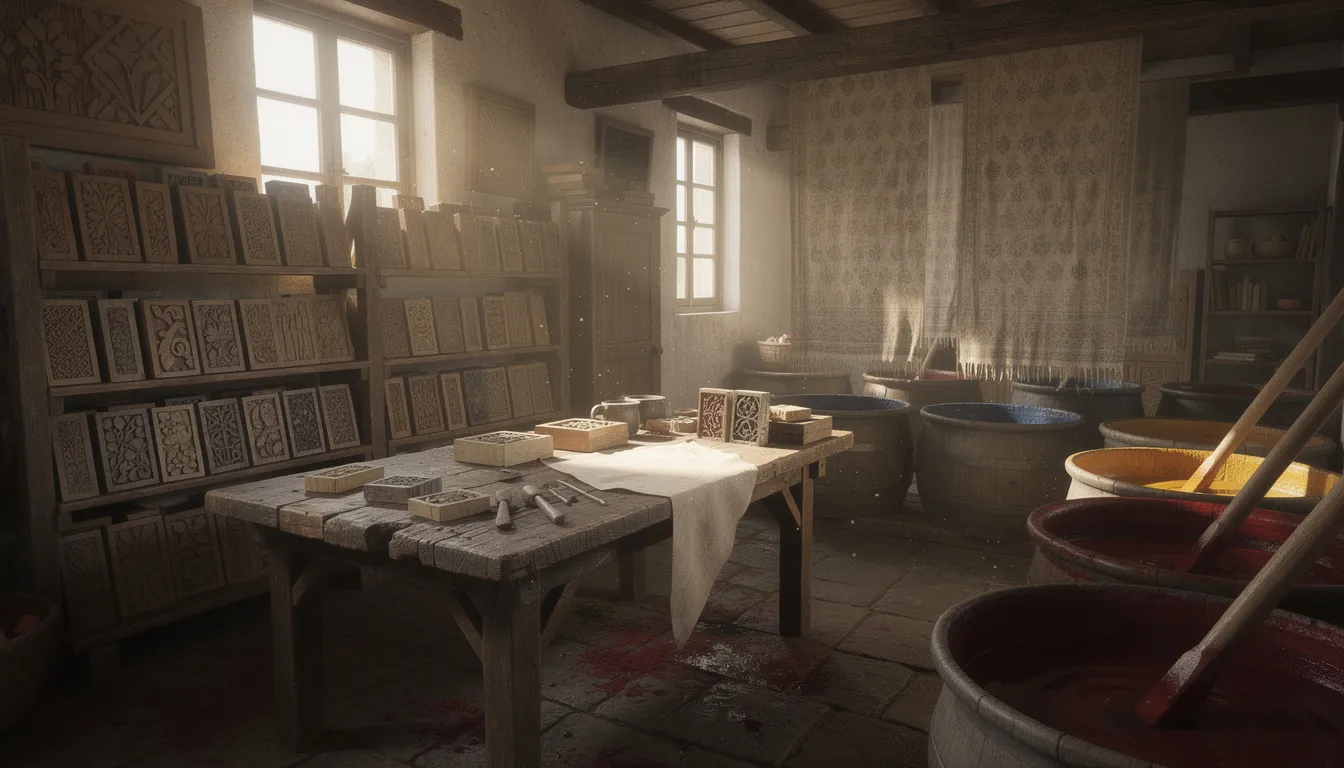
This methodology produced patterns without directional hierarchy-Morris florals work equally well viewed from any angle. His approach involved extensive experimentation with color combinations and repeat structures, often requiring multiple woodblock carvings to achieve the desired depth and complexity.
Understanding these foundational principles illuminates why specific Morris patterns achieve their particular effects, which the following section explores through his most celebrated designs.
Iconic William Morris Floral Pattern Collection
Building on his design philosophy, Morris produced a remarkable collection spanning three decades. Each wallpaper and textile pattern demonstrates his evolving artistic vision while maintaining consistent nature-inspired principles.
Revolutionary Early Designs (1862-1870)
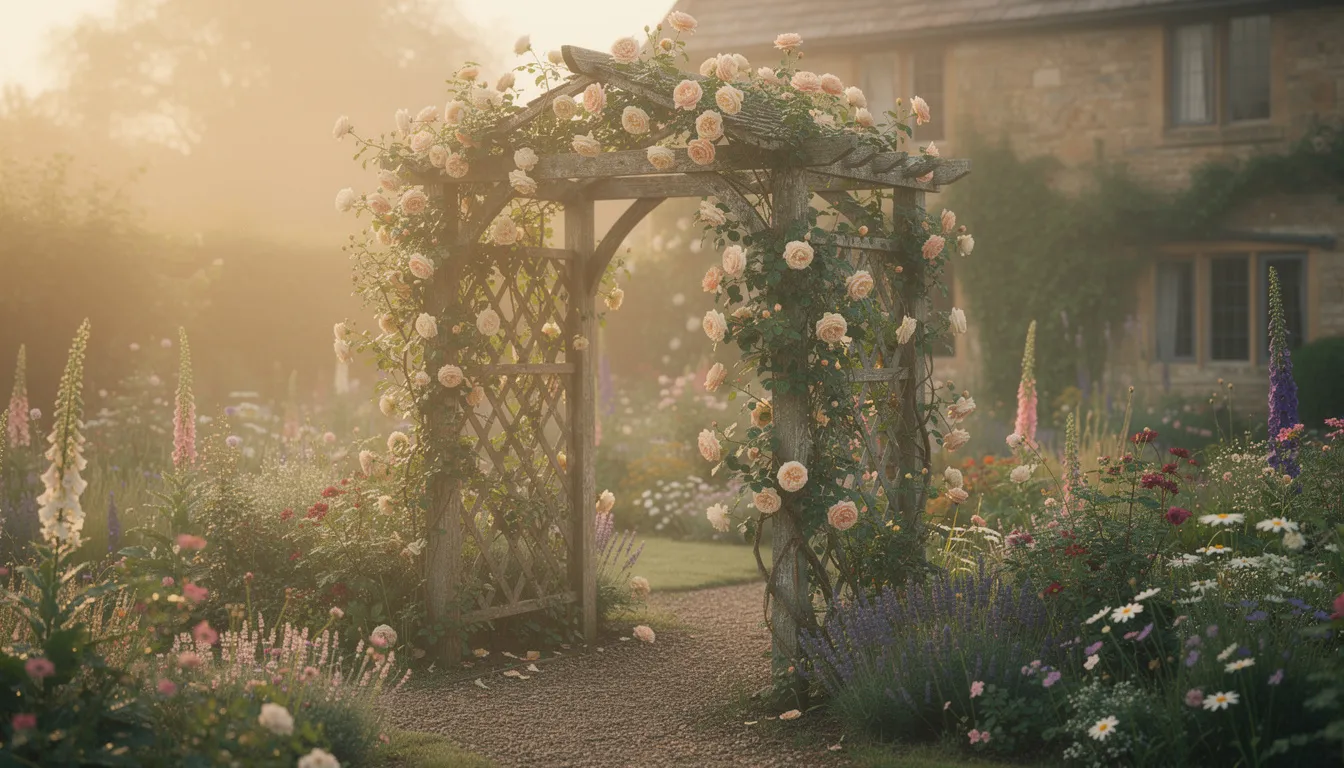
Trellis (1862) stands as Morris’s first wallpaper, directly inspired by the rose garden at Red House. The design features climbing roses winding through a wooden trellis structure, with birds drawn by Philip Webb adding life to the botanical composition. This collaboration established a pattern Morris would continue throughout his career.
Daisy (1864) followed with simplified wildflower motifs arranged in a measured grid. The pattern celebrates common meadow flowers rather than cultivated garden specimens, exemplifying Morris’s democratic approach to beauty. Its straightforward repeat made it accessible for production while maintaining the handcraft aesthetic.
These early works established Morris as a serious wallpaper artist and laid groundwork for increasingly complex designs. Philip Webb’s bird contributions brought additional dimension to purely botanical patterns, creating the interplay between flowers and wildlife that became a Morris signature.
Mature Botanical Masterpieces (1870s-1880s)
Strawberry Thief (1883) emerged from Morris observing thrushes stealing fruit from the Merton Abbey gardens. The pattern features birds amid strawberry plants, blossom, and foliage in a narrative scene that transformed wallpaper into storytelling. It remains among the most beloved Morris designs produced today.
Acanthus (1875) demonstrates Morris’s interpretation of classical leaf forms, featuring dramatically scrolling foliage that fills the entire surface. The pattern’s architectural grandeur suited large Victorian rooms while maintaining organic flowing movement throughout the repeat.
Willow Boughs (1887) represents Morris’s lighter approach, featuring airy branches in subtle greens that suggest dappled woodland light. The connection between pattern complexity and Morris’s evolving artistic vision becomes clear across these decades-from simple trellis structures to elaborate interlocking botanical worlds.
Victorian Flower Symbolism Integration
Morris incorporated Victorian flower meanings throughout his collection. Pink and Poppy patterns carried romantic symbolism understood by contemporary audiences, with poppies suggesting both sleep and remembrance while pinks represented affection.
Fruit wallpaper designs connected abundance and harvest symbolism, featuring pomegranates, oranges, and leaves that suggested prosperity and natural generosity. These symbolic elements add depth for collectors and historians exploring Morris’s complete artistic intentions.
Key symbolic elements across major floral works include: roses for love and beauty, strawberries for righteousness and good works, acanthus for enduring life, and birds for freedom and natural spirit.
Modern Applications and Decorating with Morris Florals
Contemporary interior design has reimagined Morris patterns for 21st-century homes. The challenge lies in honoring Victorian richness while achieving balance with modern aesthetics and practical room requirements.
Room-by-Room Implementation Strategy
Successful Morris floral application requires thoughtful planning before committing to full room treatments. Consider the following:
Assess room size and lighting conditions - Morris designed for Victorian rooms with high ceilings; smaller spaces may need scaled-down reproductions or accent applications
Select pattern scale appropriately - Large botanical designs like Acanthus suit spacious rooms, while Daisy works in compact spaces
Choose complementary color schemes - Extract one or two colors from the pattern for surrounding walls, furnishings, and textiles
Balance pattern density with solid surfaces - Pair busy Morris wallpaper with plain furniture to avoid visual overwhelm
Morris himself advocated for considered decoration rather than covering every surface. A single statement wall featuring Strawberry Thief can create more impact than multiple competing patterns throughout a home.
Compare the main ways to use Morris florals in your home:
Wallpaper
Factor |
Wallpaper |
Fabric/Textiles |
Home Accessories |
|---|---|---|---|
Visual Impact |
Full room transformation |
Focused accents (curtains, cushions) |
Subtle pattern introduction |
Cost |
Higher (professional installation recommended) |
Medium (varies by piece) |
Lower entry point |
Installation Complexity |
Requires skill; pattern matching essential |
DIY-friendly for cushions/throws |
Immediate; add to cart and display |
Durability |
Long-lasting when properly installed |
Varies by use and care |
Generally durable for decorative items |
Commitment Level |
Significant; difficult to change |
Flexible; easily rotated |
Minimal; explore before expanding |
Fabric/Textiles
(See table above.)
Home Accessories
(See table above.)
For those new to Morris florals, starting with textiles or accessories allows exploration before committing to wallpaper. A poster or framed textile piece can test whether a pattern’s mood suits your space, providing foundation for larger decisions.
Common Challenges and Solutions
Incorporating Victorian floral patterns into contemporary homes presents specific obstacles that thoughtful planning can address.
Overwhelming Pattern Density
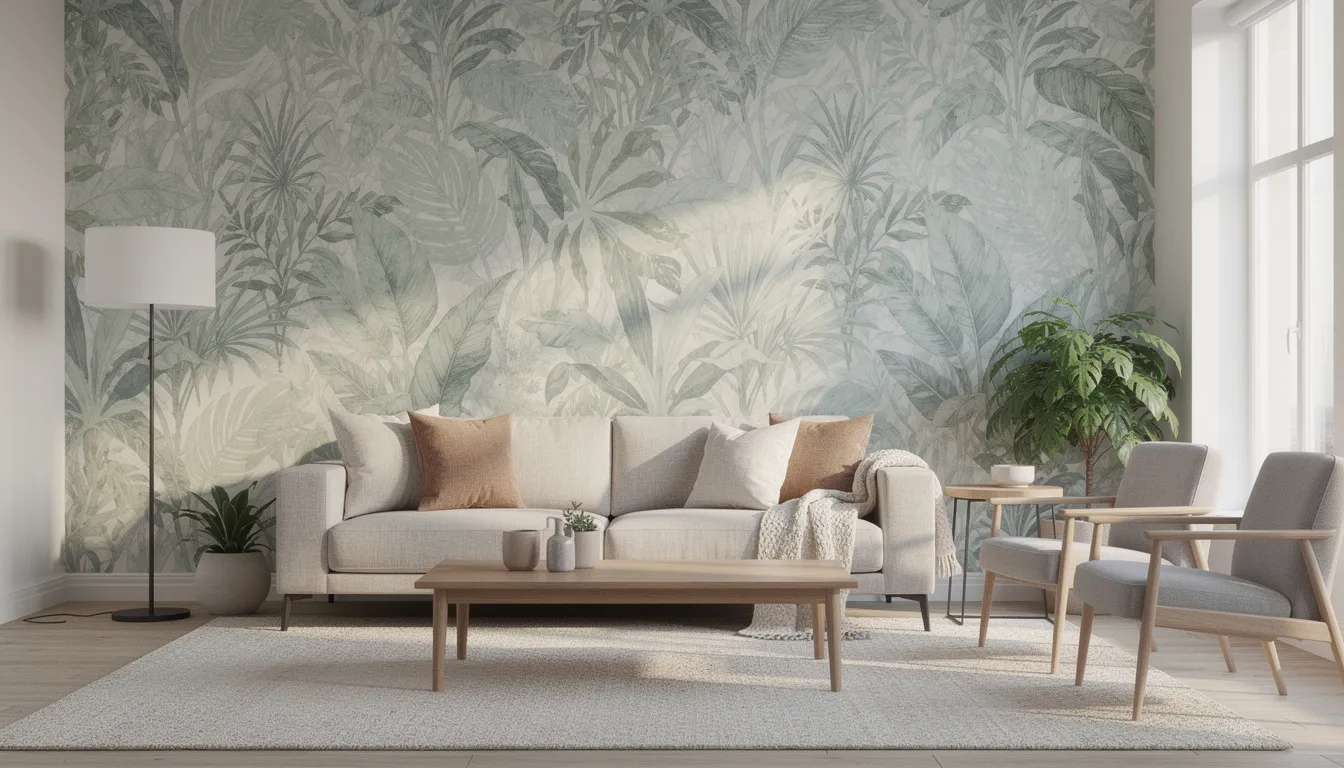
Morris’s intricate patterns can dominate modern rooms designed around minimalist principles. Solution: Use Morris florals as accent walls paired with neutral surrounding surfaces. Balance a wallpapered feature wall with plain white or cream on remaining walls, and select solid-colored furniture that draws one background color from the pattern.
Color Coordination with Modern Palettes
Morris designed within Victorian color conventions that may clash with contemporary grey, white, or muted schemes. Solution: Extract a single color from the Morris pattern to use throughout surrounding decor rather than attempting to match the entire palette. The yellow from Fruit wallpaper or red from Strawberry Thief can become accent colors that unify old and new.
Authentic vs. Reproduction Quality Differences
Modern reproductions vary significantly in color accuracy, scale fidelity, and production quality. Solution: Research licensed Morris reproductions from Morris & Company and established manufacturers. The William Morris Gallery and Victoria and Albert Museum collection provide authentic color references for comparison before purchase.
Conclusion and Next Steps
William Morris floral patterns bridge Victorian craftsmanship with contemporary decorating through timeless botanical designs that celebrate nature’s beauty. From the first Trellis wallpaper inspired by Red House gardens to mature masterpieces like Strawberry Thief, Morris created a collection that continues production today-testament to designs that transcend their era.
Immediate action steps:
Visit the William Morris Gallery in London or explore the V&A Museum exhibition collection online to see authentic patterns and colors
Order fabric samples or small accessories before committing to wallpaper-experience how patterns work in your specific lighting
Research licensed reproduction sources to ensure quality matches Morris’s original artistic vision
Start with one room or accent application, building confidence before expanding throughout your home
Related topics worth exploring include Arts and Crafts furniture to complement Morris textiles, Victorian garden design to understand his botanical sources, and the work of John Henry Dearle and May Morris, who continued developing patterns after William Morris’s death in 1896.
Additional Resources
Morris & Co. maintains the official pattern archive with licensing information for contemporary production
Victoria and Albert Museum houses the world’s most comprehensive Morris collection with accurate color references
William Morris Gallery in Walthamstow (near Epping Forest where Morris spent his child years) offers exhibition materials and educational programs
Recommended reading: Books on Victorian botanical symbolism provide context for flower meanings embedded throughout Morris’s designs