Key Takeaways
-
William Morris prints showcase iconic botanical and nature-inspired patterns from the 1860s-1890s arts and crafts movement, featuring intricate designs that remain relevant in contemporary interiors
-
Popular william morris designs include Strawberry Thief (1883), Golden Lily (1899), and Willow Bough (1887), each featuring distinctive floral motifs perfect for modern wall art applications
-
Available in multiple formats including museum-quality prints, canvas, posters, and custom framing options to suit various aspects of home décor and budget considerations
-
High-quality reproductions use fade-resistant inks and archival materials to preserve Morris’s original design integrity for generations
-
Perfect for adding sophisticated Victorian elegance to contemporary living spaces, from bedroom walls to office environments, creating inspired interiors that blend historical craftsmanship with modern style
Over 150 years after their creation, william morris prints continue to captivate homeowners and designers with their intricate botanical patterns and timeless elegance. Few Victorian-era designs have maintained their relevance like the iconic works of this british textile designer, whose nature-inspired patterns remain as sought-after today as they were in the 1880s. Whether you’re looking to create a sophisticated gallery wall, add character to a bedroom, or bring warmth to your living room, Morris’s designs offer endless possibilities for transforming any space.
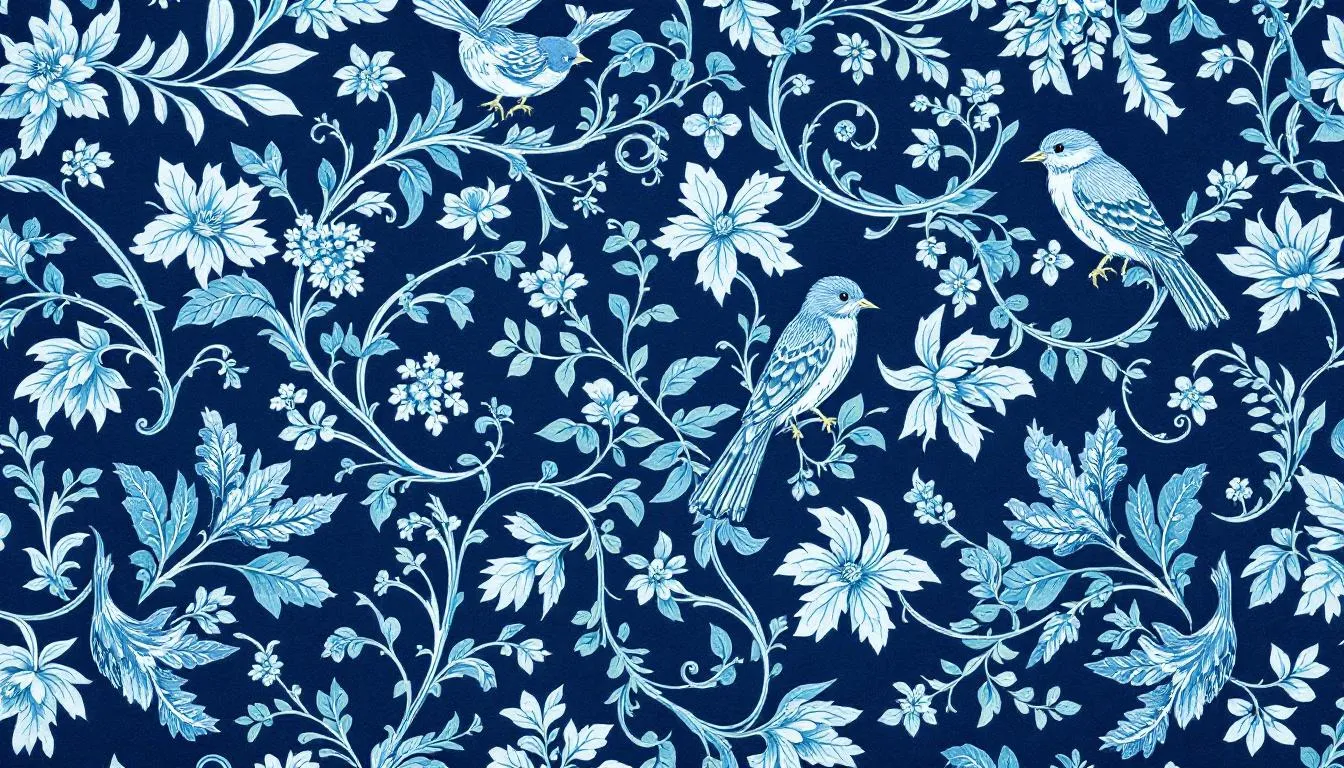
From museum collections to contemporary homes, these patterns have proven their enduring appeal across generations. This comprehensive guide explores the world of william morris wall art, from understanding the artist’s revolutionary philosophy to selecting the perfect prints for your home décor needs.
William Morris: Pioneer of the Arts and Crafts Movement
william morris (1834-1896) stands as one of Britain’s most influential figures in decorative arts, serving as both a visionary designer and passionate socialist activist. Born into an era of rapid industrialization, Morris witnessed the decline of traditional craftsmanship and dedicated his life to reviving the beauty and quality of handmade objects.
As a founder of the arts and crafts movement in 1860s Britain, Morris championed a revolutionary philosophy that opposed the mass production methods dominating Victorian manufacturing. His vision extended far beyond mere aesthetics – he believed that beautiful, well-crafted objects could improve people’s daily lives and restore dignity to the working craftsman.
In 1861, Morris established morris & Co. alongside fellow artists including Dante Gabriel Rossetti and Edward Burne-Jones. The company quickly gained recognition for creating exceptional wallpapers, textiles, and interior decorations that emphasized natural forms and traditional production techniques. Unlike the ornate French styles popular at the time, Morris’s designs drew inspiration from English gardens, medieval manuscripts, and Islamic art.
Morris’s home, red house, designed by architect Philip Webb, became a testing ground for his design principles. The house featured custom wallpapers and textiles that would later become some of his most celebrated patterns, including the famous Trellis design inspired by the property’s garden trellises and climbing roses.
Beyond his work as a designer, Morris was also a poet, translator, and printer. His kelmscott press, established in 1891, produced some of the most beautiful books of the Victorian era, including the magnificent Kelmscott Chaucer with its elaborate woodcut illustrations and decorative borders.
Iconic William Morris Print Designs and Patterns
The world of Morris patterns encompasses over fifty distinct wallpaper designs, each reflecting his deep appreciation for nature and masterful understanding of decorative arts. These iconic designs continue to influence contemporary textile design and remain popular choices for sophisticated interiors.
Strawberry Thief (1883) ranks among Morris’s most beloved patterns, featuring charming birds stealing strawberries amid lush foliage. The design captures a scene Morris observed in his own garden at Kelmscott Manor, where thrushes would raid his strawberry beds. Available in classic blue and red colorways, this pattern works beautifully in both traditional and modern settings, making it perfect for creating statement walls or adding character to bedroom décor.
Golden Lily (1899) represents one of Morris’s later masterpieces, showcasing stylized lilies in rich gold and green tones. The flowing, organic composition demonstrates Morris’s mature understanding of pattern design, with each element carefully balanced to create movement while maintaining overall harmony. This design particularly suits dining rooms and formal living spaces where its sophisticated elegance can be fully appreciated.
Willow Bough (1887) captures the graceful movement of willow branches in an intricate, flowing pattern that seems to dance across the wall. The design’s organic curves and subtle color variations create a calming effect, making it an excellent choice for bedrooms or reading nooks where tranquility is desired.
Acanthus (1875) demonstrates Morris’s expertise in botanical illustration through its elaborate leaf motifs inspired by classical decorative traditions. This complex pattern showcases the designer’s ability to transform traditional forms into something uniquely Victorian, perfect for creating dramatic focal points in larger rooms.
Bird and Anemone (1882) combines Morris’s love of both flora and fauna in a delicate composition featuring exotic birds nestled among flowing anemone flowers. The pattern’s gentle movement and soft colors make it particularly suited to intimate spaces where detailed appreciation is possible.
Nature-Inspired Motifs and Color Palettes
Morris’s genius lay in his ability to observe the natural world and translate its beauty into repeating patterns that never felt repetitive or artificial. His designs draw heavily from English garden flowers, fruits, and foliage, creating a sense of bringing the outdoors inside. Each pattern tells a story of careful observation – from the way morning light filters through leaves to the intricate structure of flower petals.
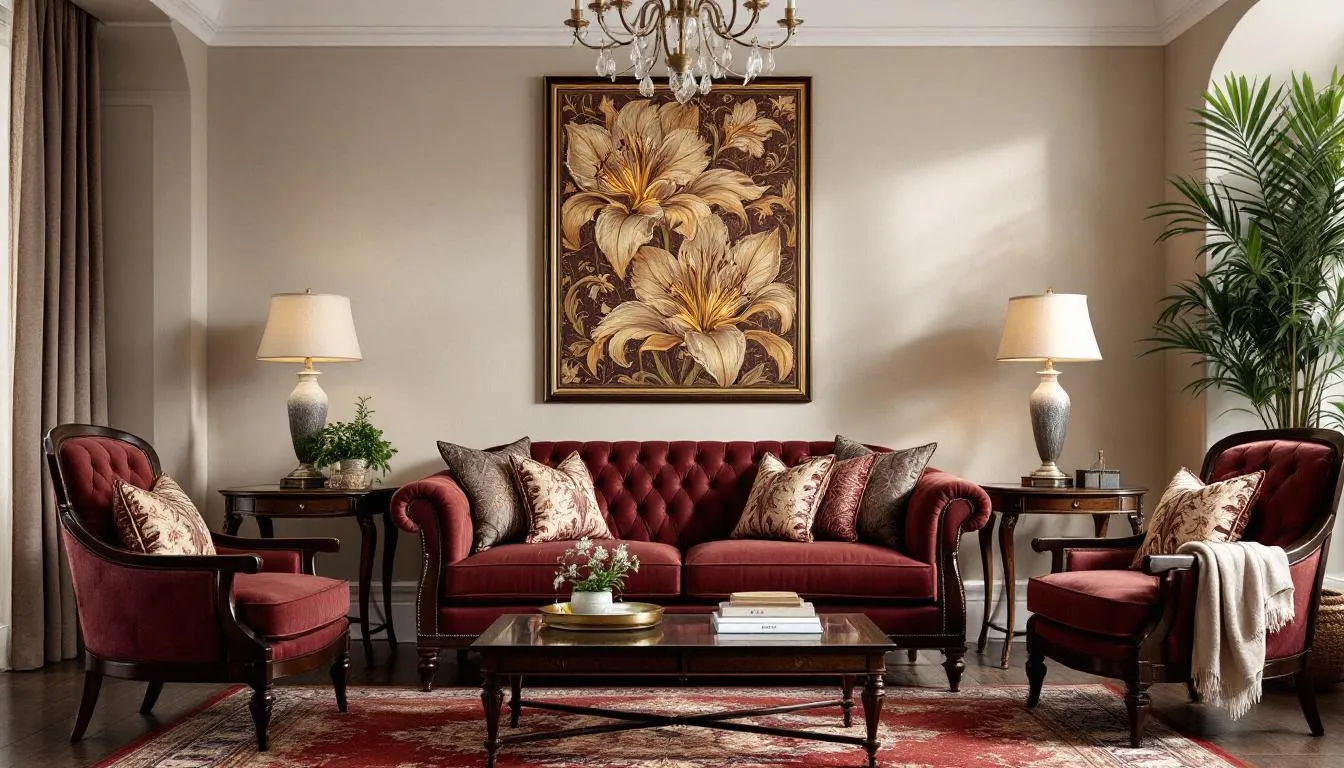
The color palettes Morris employed reflect both his commitment to natural dyes and his sophisticated understanding of color harmony. Rich jewel tones dominate his work: deep indigo blues reminiscent of twilight skies, emerald greens that capture the essence of English countryside, burgundy reds that echo autumn leaves, and golden yellows that suggest warm sunlight filtering through trees.
Morris’s intricate layering techniques created remarkable depth and movement within flat designs. Influenced by medieval manuscript illumination, he understood how to use overlapping forms and varying scales to create visual interest without overwhelming the eye. This complexity rewards closer inspection while maintaining overall coherence from a distance.
Types and Formats of William Morris Prints Available
Today’s market offers numerous ways to incorporate Morris’s timeless designs into contemporary homes, with options suited to various aspects of decorating needs and budgets. Understanding the different formats available helps ensure you select the perfect medium for your specific space and style preferences.
Museum-quality giclée prints represent the pinnacle of reproduction quality, using advanced printing technology to capture every nuance of Morris’s original designs. These prints on archival paper appeal to collectors and those creating gallery-quality displays. Perfect for formal spaces or as investment pieces, giclée prints offer exceptional detail and color accuracy that will satisfy even the most discerning eye.
Canvas prints provide a more contemporary approach to displaying Morris patterns, with gallery-wrapped edges that eliminate the need for traditional framing. This format works particularly well in modern interiors where the organic nature of Morris’s designs creates interesting contrast with clean, minimalist furnishings. Canvas prints are also lighter and easier to hang than framed options.
Traditional posters offer an accessible entry point for those new to Morris designs or working with limited budgets. Available in sizes ranging from intimate 8x10 inches to dramatic 24x36 inches, poster prints allow for experimentation with different patterns and placements without significant investment.
Custom framing services elevate any Morris print into a sophisticated art piece. Professional framing with archival matting not only protects the artwork but also allows for personalization through frame selection and mat colors that complement your existing décor. Many providers offer consultation services to help select the perfect presentation style.
Acrylic and aluminum mounting options cater to those preferring contemporary presentation methods. These formats give Morris’s traditional patterns a modern edge, perfect for offices or contemporary homes where the contrast between historical design and modern materials creates visual interest.
Print Quality and Production Techniques
The quality of reproduction significantly impacts how Morris’s intricate patterns appear in your home, making it essential to understand the production methods used by different manufacturers. Advanced digital printing technology has revolutionized the ability to capture the subtle details and color gradations that make Morris’s work so compelling.
Fade-resistant, archival-quality inks ensure that your investment in william morris wall art will maintain its beauty for generations. The best reproductions use pigment-based inks that resist fading for 100+ years under normal display conditions, protecting both the visual appeal and monetary value of your purchase. This longevity makes quality prints a worthwhile investment for long-term home décor.
Acid-free, museum-grade paper prevents the yellowing and deterioration that plague lower-quality reproductions. This archival approach ensures that the rich colors Morris carefully selected will remain true to his original vision, whether displayed in bright living areas or more subdued settings.
Color-matching processes employed by reputable manufacturers maintain Morris’s original Victorian color specifications. This attention to historical accuracy means that your prints will reflect the authentic palette Morris intended, preserving the integrity of his artistic vision while adapting to modern display methods.
Limited edition numbering adds collectible value to premium prints, often accompanied by certificates of authenticity that document the reproduction process and materials used. These details matter not only for potential resale value but also for the satisfaction of owning a piece that honors Morris’s legacy with appropriate respect and quality.
Decorating with William Morris Prints
Incorporating Victorian patterns into modern spaces requires thoughtful consideration of scale, color, and placement to achieve the perfect balance between historical reverence and contemporary livability. Morris’s designs possess a unique versatility that allows them to enhance various aspects of home décor, from traditional to eclectic modern styles.
In living rooms, large-scale patterns like Strawberry Thief or Golden Lily create stunning focal walls that anchor seating arrangements and provide visual interest without overwhelming the space. The key lies in allowing the pattern to breathe by pairing it with solid-colored furniture and minimal accessories. This approach lets Morris’s intricate designs take center stage while maintaining a sophisticated, uncluttered aesthetic.
Bedrooms benefit from softer patterns like Willow Bough, whose flowing lines create calming, nature-inspired atmospheres conducive to rest and relaxation. The organic movement in Morris’s botanical designs brings a sense of the garden indoors, perfect for creating a peaceful retreat from daily stresses. Consider placing prints where they’ll be visible from the bed but not so prominent as to interfere with sleep.
Home offices gain sophisticated elegance through framed Morris designs in rich colors that inspire creativity while maintaining professional appeal. The detailed nature of Morris’s patterns provides visual interest during breaks from work, while the historical significance adds intellectual gravitas to the workspace. Choose patterns with colors that complement your office furniture and lighting.
Dining rooms provide ideal settings for Bird and Anemone patterns or other Morris designs that reward closer inspection during meals and conversations. The formal nature of dining spaces suits the sophisticated complexity of Morris’s work, creating an atmosphere that encourages lingering and appreciation of both food and art.
Modern homes can successfully incorporate Morris prints by treating them as carefully curated art pieces rather than dominant decorative elements. The contrast between historical patterns and contemporary furnishings creates dynamic, layered interiors that feel both rooted in tradition and thoroughly current.
Size and Placement Recommendations
Selecting appropriate sizes for william morris prints requires consideration of both the room’s dimensions and the viewing distance from which the patterns will be appreciated. Different sizes serve distinct decorative functions and create varying levels of visual impact.
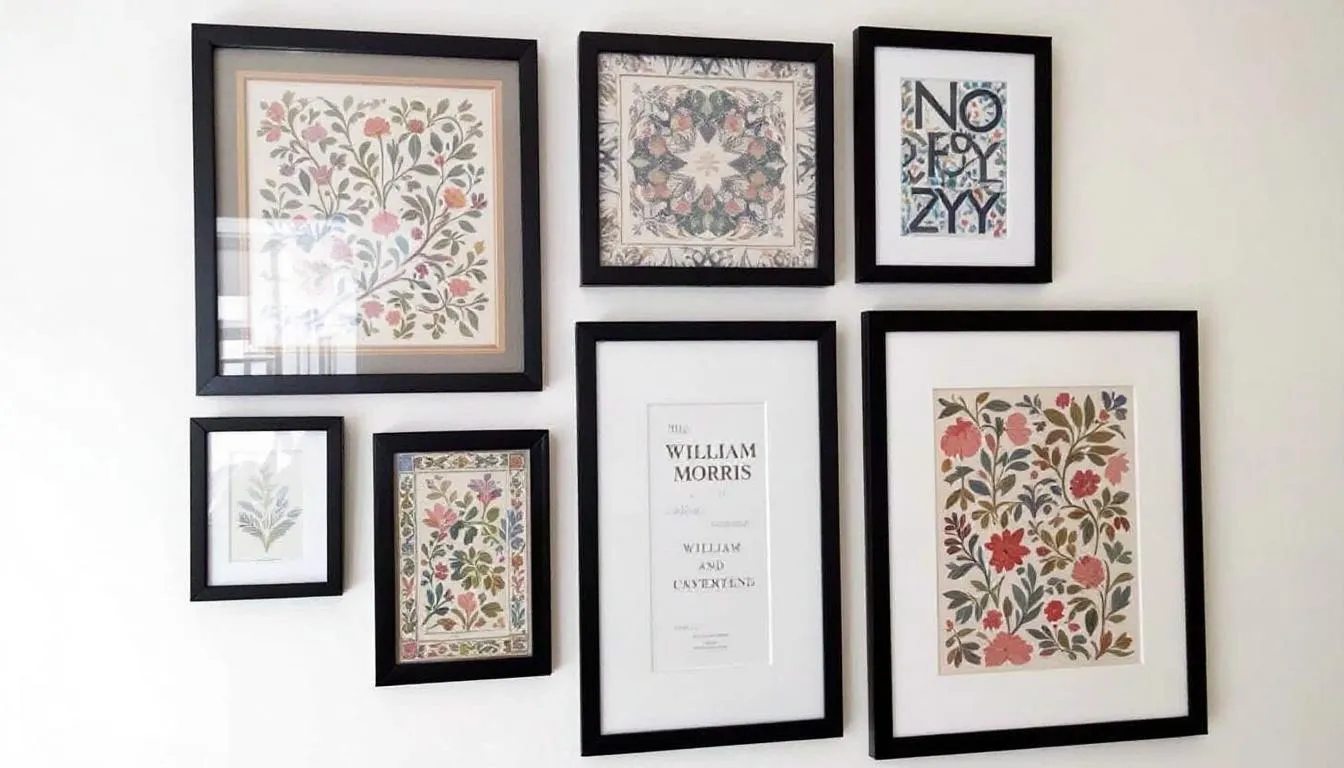
Small prints (8x10 to 11x14 inches) work perfectly in gallery walls where multiple pieces create collective impact. These intimate sizes allow for close appreciation of Morris’s intricate details and are ideal for powder rooms, hallways, or clustered arrangements in larger rooms. Small prints also provide affordable ways to experiment with different patterns before committing to larger pieces.
Medium prints (16x20 to 18x24 inches) represent the sweet spot for many residential applications, providing enough presence to anchor wall space above furniture while remaining proportionate to standard room dimensions. These sizes work particularly well above bedside tables, desks, or console tables where they create balanced compositions with existing furnishings.
Large prints (24x36 inches and bigger) make dramatic statement pieces suitable for spacious rooms with high ceilings or expansive wall areas. These oversized presentations allow Morris’s patterns to truly shine, creating immersive experiences that transport viewers into the designer’s botanical world. Reserve large formats for rooms where they can be appreciated from multiple viewing distances.
When grouping multiple Morris designs, maintain consistent spacing and consider the visual weight of each pattern. Dense designs like Acanthus may need more breathing room than lighter patterns like Willow Bough. The goal is creating cohesive thematic displays that celebrate Morris’s diverse design vocabulary while maintaining visual harmony throughout the space.
Where to Buy Authentic William Morris Prints
Finding quality reproductions of Morris’s iconic designs requires knowing where to look and what to expect from different sources. The growing popularity of Morris patterns has created a robust market for reproductions, but quality varies significantly between providers.
Online art retailers specializing in historical and vintage reproductions offer the widest selection and often provide detailed information about printing methods and materials used. Reputable online sources typically offer multiple format options and can accommodate custom sizing requests. Look for retailers who specify their printing processes and offer satisfaction guarantees.
Museum shops, particularly those at the victoria and albert museum in London, provide access to officially licensed reproductions that meet strict quality standards. The albert museum houses the world’s most comprehensive morris collection, and their shop offers prints produced with institutional oversight ensuring historical accuracy and superior quality.
Specialty wallpaper and textile dealers often carry licensed Morris reproductions alongside contemporary designs. These sources can be particularly valuable for those interested in authentic wallpaper applications rather than framed art. Many specialty dealers also offer consultation services to help select appropriate patterns for specific rooms and décor styles.
Custom printing services provide flexibility for those with specific size requirements or unusual display needs. Many fine art printing companies can produce Morris designs from high-resolution digital files, allowing for personalized sizing and presentation options. Ensure any custom printer uses archival materials and processes appropriate for fine art reproduction.
Antique dealers occasionally offer original Morris & Co. pieces and vintage reproductions for serious collectors. While significantly more expensive than modern reproductions, original pieces provide direct connection to Morris’s legacy and can be worthwhile investments for dedicated enthusiasts. Always verify authenticity through expert evaluation when considering antique purchases.
When evaluating potential purchases, consider factors beyond price including return policies, shipping methods that protect artwork, and customer service quality. The best sources stand behind their products and provide detailed information about materials and production methods used.