Introduction
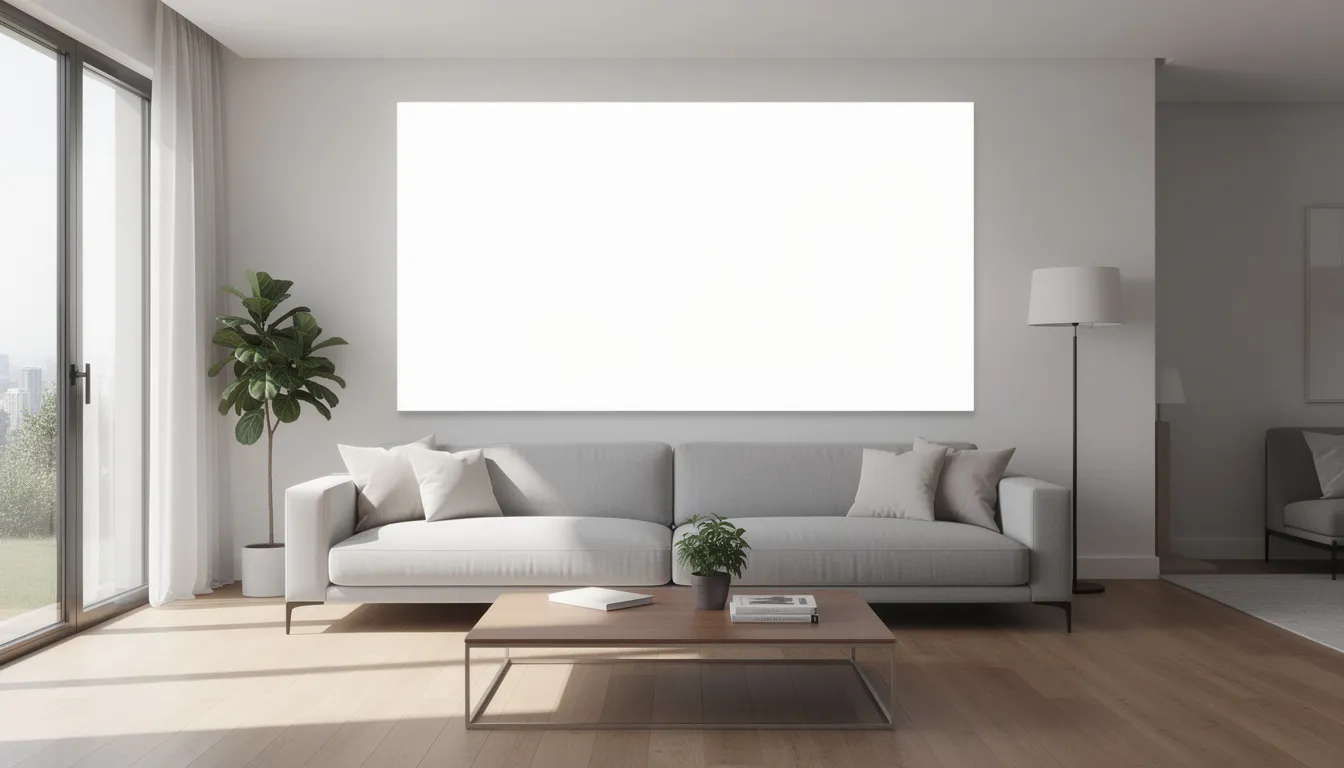
wall art for living room spaces transforms blank walls into commanding focal points that define the entire room’s character. When you have expansive walls and high ceilings, oversized wall art becomes the solution that brings balance, depth, and visual power to your home.
This guide covers artwork dimensions starting at 48 inches, placement strategies for various living room configurations, and style considerations that help you find the perfect piece for your space. We focus specifically on oversized canvas wall art and large artwork selections-smaller accent pieces and gallery walls with standard-sized prints fall outside this scope. Homeowners with substantial living room walls who want impactful art solutions will discover exactly how to approach this design challenge.
Direct answer: Extra large wall art for living rooms typically measures 48 inches or larger and serves as the primary visual anchor above sofas, mantels, or blank walls, occupying roughly two-thirds of the available wall space for optimal proportion.
What you’ll gain from this guide:
Understanding sizing principles that match your wall dimensions
Selecting styles that enhance your existing room aesthetic
Mastering placement techniques for professional-looking installations
Avoiding common mistakes that diminish oversized art’s impact
Discovering practical solutions for hanging heavy pieces safely
Understanding Extra Large Wall Art Dimensions
Extra large wall art refers to pieces measuring 48 inches or larger in any dimension-height, width, or both. Explicitly, extra-large wall art is typically defined as being two-thirds the width of your sofa or occupying roughly 60-75% of the available wall space. When choosing extra-large wall art, select a piece that is roughly two-thirds to three-quarters the width of your furniture, ensuring the artwork fills the space with purpose and avoids awkward gaps. This size category exists because standard living rooms with 9-foot or higher ceilings and walls spanning 10+ feet require artwork at this scale to achieve visual balance. Anything smaller risks looking lost against a large wall, failing to fill the space with the presence it needs.
Standard Extra Large Sizes
Common dimensions for oversized wall art include 48”x36”, 60”x40”, 72”x48”, and custom oversized options that can reach 96 inches or beyond. Each size serves specific wall configurations:
48”x36”: Works above standard 84-inch sofas, providing substantial presence without overwhelming
60”x40”: Ideal for walls spanning 8-10 feet, delivering museum-quality impact
72”x48”: Commands attention in open-plan living rooms with high ceilings
Custom oversized: Perfect when standard sizes don’t match your room’s proportions
The connection between artwork size and living room wall dimensions follows a straightforward principle: measure your wall, then select art that fills the space with purpose rather than leaving awkward gaps.
Wall Coverage Guidelines
The two-thirds rule guides most oversized art decisions. Your large artwork should cover approximately 66-75% of the wall space above furniture. For a sofa measuring 96 inches wide, aim for artwork between 64 and 72 inches in width.
Ceiling height directly affects optimal artwork proportions. Rooms with 10-foot ceilings can accommodate taller vertical pieces-think 60 inches in height-while standard 8-foot ceilings work better with horizontal formats that don’t crowd the space between furniture and ceiling.
Multi-Panel vs Single-Piece Considerations
Single oversized canvas wall art delivers immediate, unified impact. Installation is straightforward, and the visual statement remains clear and powerful. A great piece at 60”x40” creates a gallery-worthy focal point without complexity.
Multi-panel installations offer flexibility for irregular spaces and easier handling during delivery and hanging. A triptych spanning 72 inches total can be transported and positioned more easily than a single piece of equivalent size. However, precise alignment becomes essential-even small spacing inconsistencies create visual discord.
Understanding dimensions establishes the foundation for selecting art that truly fits your space. The next step is matching style to your living room’s aesthetic.
Selecting Appropriate Styles for Living Rooms
With size parameters established, style selection determines whether your oversized wall art enhances or conflicts with your existing room design. The right style creates connection between the art and your furniture, colors, and overall aesthetic vision.
Abstract and Contemporary Designs
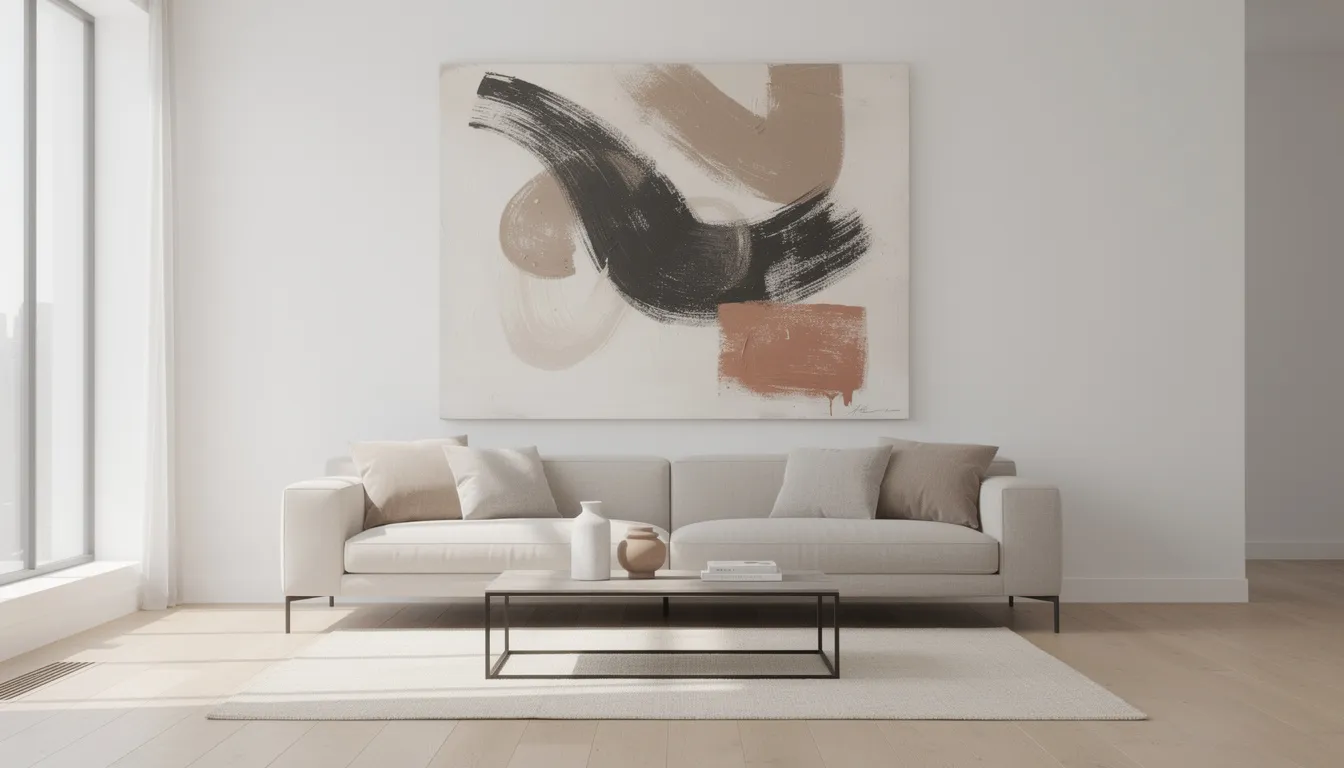
Abstract art at large scale brings vibrant energy to modern living spaces. Bold geometric forms, color blocking, and minimalist compositions work particularly well as oversized pieces because their visual language benefits from scale-details that might feel busy at smaller sizes become commanding statements when expanded. For those looking to make an impact in more compact areas, the Square Wall Art | 35 x 35 cm Prints for Compact Display collection offers artful structure and style tailored for limited wall space.
Color Palette Considerations
Color palette selection requires attention to your room’s existing scheme. For neutral living rooms with gray, white, or beige foundations, abstract pieces in contrasting jewel tones create dynamic focal points. Rooms already featuring vibrant colors benefit from abstracts in complementary or analogous hues that enhance without competing.
Landscape and Nature Photography
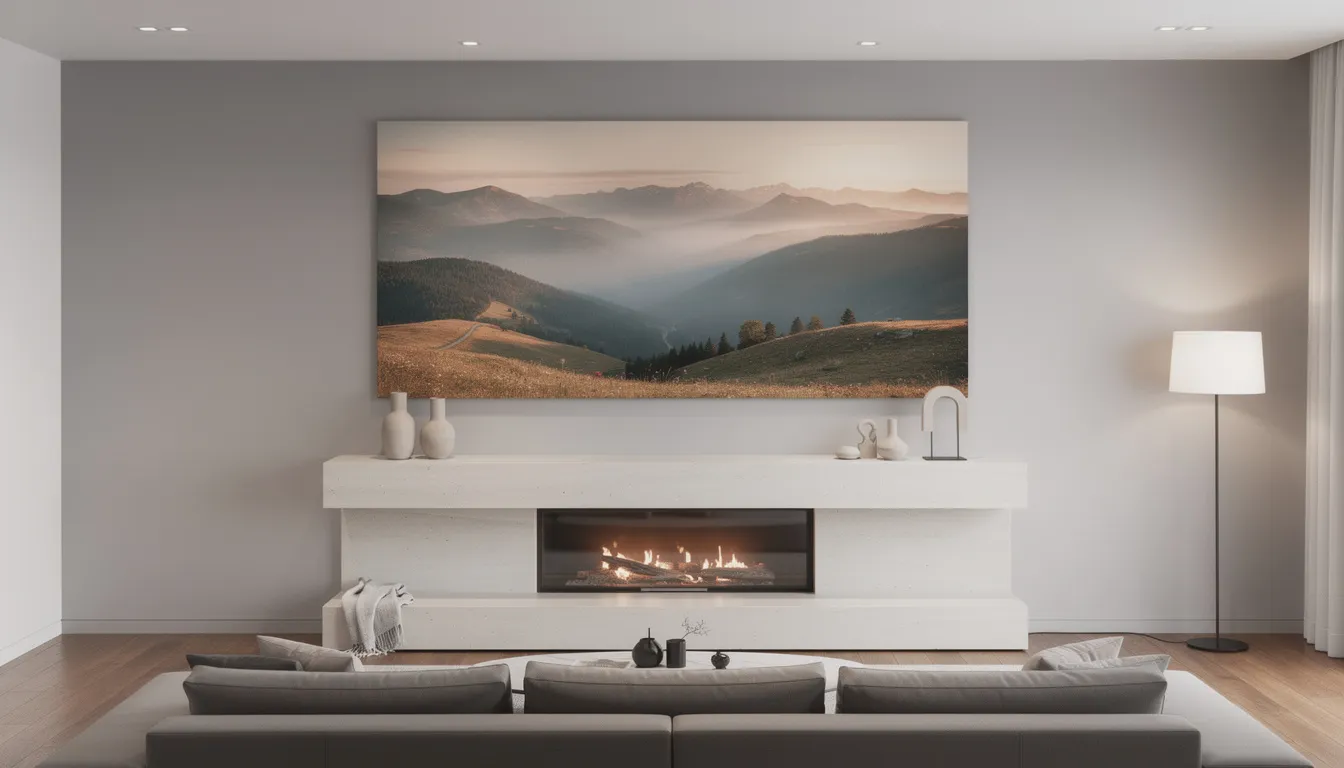
Panoramic landscapes, seascapes, and architectural photography translate beautifully to extra large formats. A 72-inch mountain vista or ocean scene brings the outdoors inside, creating depth and extending perceived space through visual perspective.
Nature imagery at this scale affects room atmosphere significantly. Serene seascapes and forest scenes promote calm in high-traffic living areas, while dramatic storm photography or sunset colors add energy. Consider how the image’s mood aligns with how you use the space-relaxation versus entertaining versus daily family life.
Textural and Mixed Media Pieces
Canvas textures, metallic accents, and three-dimensional elements add tactile interest that photography and prints cannot match. Heavy impasto painting techniques create shadow play as lighting changes throughout the day, keeping the art alive and dynamic.
Mixed media pieces work exceptionally well in living rooms with minimal decor elsewhere-they provide enough visual detail to anchor the room without requiring supporting accessories. This approach suits those who prefer clean spaces but want a single great piece to carry the design.
With style direction clear, the practical matter of placement ensures your selection achieves its intended impact.
Placement and Installation Strategies
Proper placement transforms oversized art from a purchase into a design statement. The relationship between artwork position, furniture arrangement, and viewing angles determines whether the piece succeeds as a focal point.
Above Sofa Placement
The space above a sofa represents the most common location for extra large wall art in living rooms. This placement creates a natural anchor for seating arrangements and draws the eye upon entering the room.
Measure sofa width and select artwork spanning 75% of that length for proper proportion
Position the artwork 6-8 inches above the sofa back-closer risks visual crowding, farther creates disconnection
Consider sofa style when selecting frames-modern low-profile sofas pair with thin or frameless canvas, while traditional pieces complement ornate framing
Account for side table lamps and accessories by ensuring the artwork’s lower edge clears any tall objects
Mantel and Fireplace Areas
Fireplace walls demand careful attention to proportion and safety:
Center artwork above the mantel with 3-5 inch clearance from the mantel shelf surface
Balance artwork width with fireplace opening proportions-the art should be slightly narrower than the fireplace itself for visual stability
Consider heat exposure when selecting materials-acrylic prints and properly sealed canvas resist heat damage better than unprotected paper prints
Gallery Wall Integration
Approach |
Extra Large Piece Role |
Supporting Elements |
|---|---|---|
Anchor Method |
Central focal point |
Smaller pieces clustered around in organic arrangement |
Grid System |
Largest grid component |
Uniform spacing with varied sizes maintaining geometric order |
Asymmetrical Balance |
Visual weight anchor |
Organic arrangement creating counterbalance across the wall |
The anchor method works best for living rooms where one oversized piece should maintain dominance. Grid systems suit dining room-adjacent spaces where formality benefits the design. Asymmetrical balance serves eclectic spaces where personality matters more than precision. |
Understanding placement principles prepares you to address challenges that commonly arise during selection and installation.
Common Challenges and Solutions
Even with perfect size and style selections, practical obstacles can diminish your oversized wall art’s impact. These solutions address the issues most frequently encountered.
Overwhelming Small Spaces
When living rooms feel smaller than ideal for extra large art, select pieces with lighter color palettes and open compositions. A 48”x36” canvas featuring white space and soft colors creates presence without visual heaviness. Avoid heavy ornate frames that add visual weight and make the piece feel larger than it is.
Hanging Heavy Artwork Safely
Large canvas and framed pieces can weigh 30+ pounds, requiring proper wall anchors. Use mounting hardware rated for your artwork’s weight plus a 50% safety margin-a 40-pound piece needs anchors rated for 60 pounds. For drywall installation, toggle bolts outperform standard picture hooks. Locate wall studs when possible for maximum security.
Balancing Scale with Existing Furniture
Statement furniture pieces compete with oversized art for attention. Ensure your artwork complements rather than battles your sofa or shelving unit by selecting art that shares color DNA with your furniture or features contrasting tones that feel intentional. When in doubt, photograph your room and test artwork images digitally before purchase to understand how scale relationships will function in real life.
Lighting and Glare Management
Position artwork to avoid direct sunlight, which causes fading and creates glare on glossy surfaces. Install adjustable picture lighting to enhance the art during evening hours when natural light disappears. LED picture lights provide even illumination without generating heat that could damage canvas or print materials.
With challenges addressed, your path to successful oversized wall art installation becomes clear.
Conclusion and Next Steps
Extra large wall art transforms living rooms from functional spaces into curated environments with personality and impact. The right piece-sized properly, styled appropriately, and installed correctly-becomes the room’s defining element, creating joy every time you enter.
Immediate action steps:
Measure your target wall and calculate the two-thirds coverage guideline to establish size requirements.
Assess existing decor to identify whether abstract, nature, or textural styles will enhance your current aesthetic.
Create paper templates at your target dimensions and tape them to the wall to visualize scale before any purchase.
Research mounting hardware requirements based on your wall type and anticipated artwork weight.
Related topics to explore: Custom framing options that protect and enhance large artwork, lighting solutions specifically designed for oversized pieces, and seasonal artwork rotation strategies for those who love variety.
Additional Resources
Wall measurement approach: Calculate wall width minus 6 inches per side (allowing breathing room at edges), then multiply by 0.66-0.75 to find ideal artwork width.
Hardware specifications by wall type:
Wall Type |
Recommended Hardware |
Notes |
|---|---|---|
Drywall |
Toggle bolts rated 50+ pounds per anchor |
Provides strong support for heavy pieces |
Plaster |
Sleeve anchors with proper pilot holes |
Prevents cracking and ensures secure hold |
Masonry |
Concrete screws with matched drill bits |
Designed for brick or concrete walls |
Color coordination principle: Pull one secondary or accent color from your existing room palette and find artwork featuring that color prominently-this creates instant connection between art and space.