Introduction
A kitchen wall accent is a single wall designed to stand apart from the rest of your cooking space, using color, texture, or distinctive materials to create visual interest and serve as the room’s focal point. This design technique transforms functional kitchens into personalized spaces that reflect your taste and style.
This guide covers accent wall types, materials, placement strategies, and design principles specifically for kitchen environments. Whether you’re a homeowner planning a kitchen update, a design enthusiast exploring ideas, or a DIY renovator ready to tackle a weekend project, you’ll find practical guidance for every skill level and budget.
The direct answer: Kitchen wall accents work by highlighting one wall above the rest, making that surface the protagonist of your space and directing all eyes toward it-giving your kitchen a unique, original character with minimal effort.
Here’s what you’ll gain from this content:
Understanding how accent walls create visual impact in kitchen spaces
Knowledge of materials from paint to natural stone and their practical applications
Planning strategies for wall selection and installation
Solutions to common challenges like moisture resistance and style coordination
Actionable steps to transform your kitchen area this weekend
Understanding Kitchen Wall Accents
Kitchen wall accents represent a deliberate design choice where the wall itself becomes a decorative object rather than merely a functional surface. This approach acknowledges that kitchens require practical elements-range hoods, sinks, cabinets-while simultaneously creating opportunities for aesthetic expression that enhances the entire room.
Purpose and Visual Impact
Accent walls draw attention to specific areas of your kitchen, establishing a natural focal point that anchors the entire space. When someone enters your cooking area, their eyes naturally travel to this highlighted surface, creating an immediate sense of intentional design and warmth. Notably, accent walls can enhance the overall aesthetic of the kitchen without requiring a full renovation, making them a cost-effective and impactful design solution.
The relationship between accent walls and room proportions matters significantly. A well-placed accent wall can make narrow kitchens feel wider, draw the eye upward in rooms with high ceilings, or create intimate zones within open floor plans. The technique works whether you’re working with a compact breakfast nook or an expansive kitchen island layout.
Accent walls also provide flexibility in color choices, allowing you to experiment with bold or unique hues that might be overwhelming on all four walls. This flexibility enables the accent wall to become the focal point of the kitchen, drawing attention and setting the tone for the entire space.
For maximum cohesion, use your accent wall as a starting point and add elements throughout the room that mimic this design decision. When your accent wall’s color, texture, or material echoes in cabinet hardware, lighting fixtures, or decor accessories, the kitchen feels thoughtfully curated rather than randomly assembled.
Design Principles for Kitchen Spaces
Color theory drives successful kitchen accent walls. Complementary colors-those opposite each other on the color wheel-create dynamic contrast, while analogous hues (neighbors on the wheel) produce harmonious, soothing effects. Light green accent walls paired with warm wood cabinets create fresh, inviting atmospheres, while navy or deep blue tones add sophistication and depth.
Balance between functionality and aesthetics remains essential in kitchen environments. Unlike living rooms, kitchens present unique challenges: grease, moisture, heat, and daily mess require materials that offer long lasting durability alongside visual appeal. The best design choices marry beauty with practicality, selecting finishes that can withstand the realities of cooking while maintaining their elegance over time.
Popular Kitchen Accent Wall Types
Building on these design principles, let’s explore the specific accent wall ideas that transform ordinary kitchens into extraordinary spaces.
Paint and Color Accents
Paint represents the most accessible entry point for accent wall projects. Bold choices like bright yellow create immediate visual pop, while butter yellow or soft terracotta tones establish warmth without overwhelming the senses. Two-tone approaches-where the accent wall features a shade several values darker or lighter than surrounding walls-add dimension while maintaining cohesion.
Chalkboard paint deserves special mention for kitchen walls. Applied like regular paint, it transforms surfaces into interactive spaces for weekly menus, grocery lists, or family art. This option works best on flat walls rather than textured surfaces and adds playful functionality to your cooking area.
When selecting accent paint colors, consider your cabinets and existing fixtures. Earthy tones complement wood finishes beautifully, while crisp blues and greens create striking contrast against white cabinetry. Always test a small patch before committing-what looks perfect on a paint chip can shift dramatically across an entire wall.
Textured Wall Materials
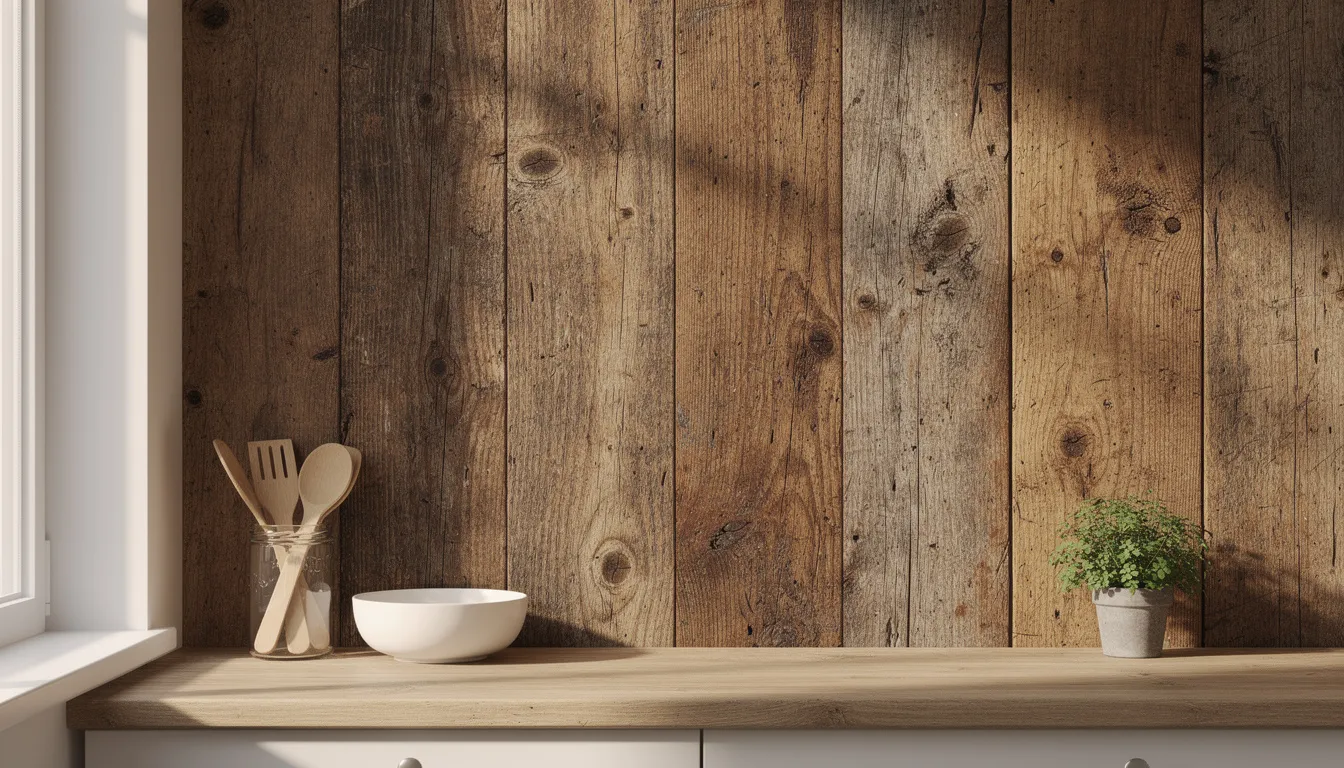
Accent walls can be created using various materials, including wood, stone, and paint, offering a wide range of design possibilities to suit any kitchen style. Texture introduces dimension and tactile interest that flat paint simply cannot match. Wood panels, including shiplap (overlapping boards slightly beveled at edges) and slat walls (thin, sliced wood pieces), add rustic charm or modern sophistication depending on finish and installation direction. Wood accent walls are a popular DIY solution for upgrading kitchen spaces, as they are relatively easy to install and can be customized to fit both classic and contemporary designs.
Board and batten designs-alternating vertical boards with thin trim pieces between them-offer timeless elegance that dresses up or down for any decor style. Chevron and herringbone patterns, created by stacking wood panels in alternating V-shaped arrangements, add visual depth; chevron works best in larger spaces while herringbone suits smaller rooms for more subtle effects.
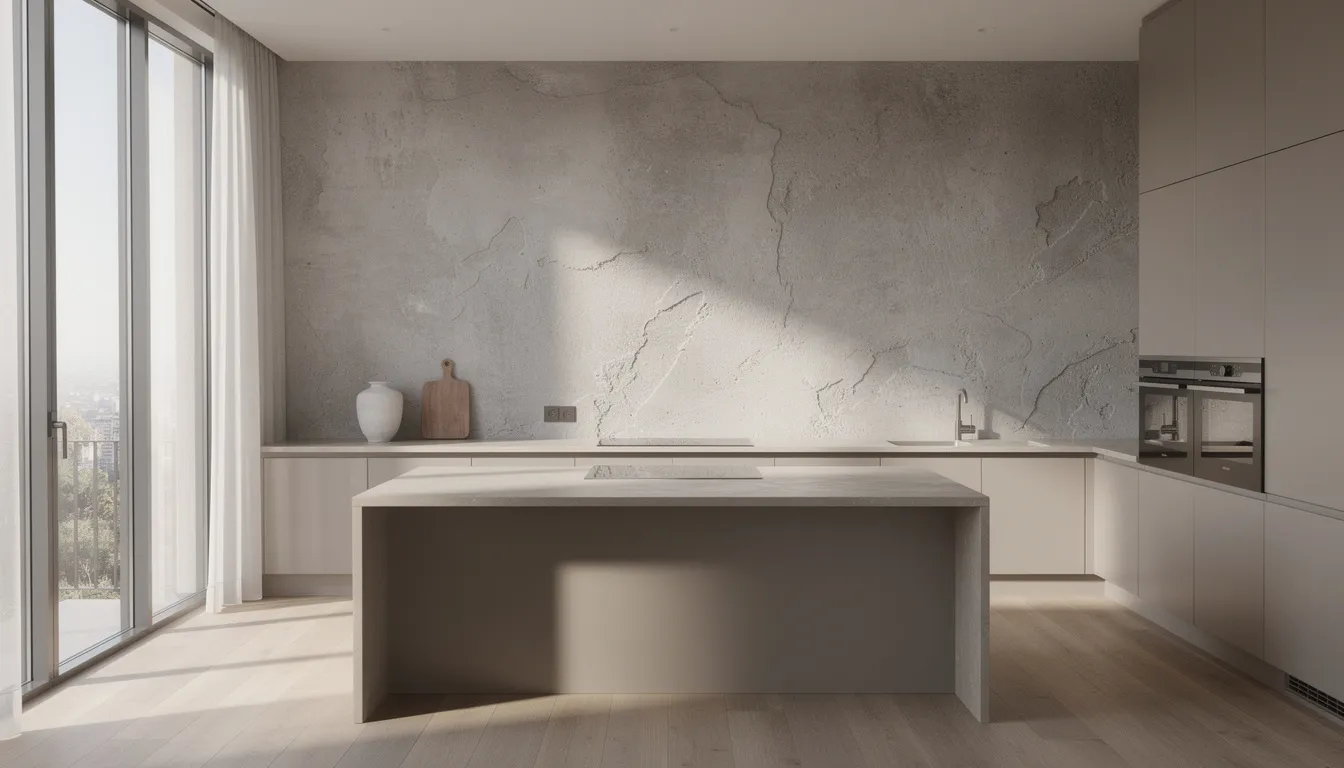
Natural stone and brick accent walls bring authentic texture and warmth but require careful placement consideration. These materials prove difficult to clean, making them better suited for walls away from direct cooking zones. Faux stone panels, on the other hand, are lightweight and easy to install, making them a great DIY option for those seeking the look of stone without the complexity or weight of real masonry. Stone veneer offers an alternative-mimicking natural stone’s appearance while providing easy installation and reduced cost.
Wallpaper and Graphic Elements
Modern wallpaper options range from tropical patterns to antique tile imitations, offering countless ways to express creativity. Peel-and-stick varieties provide a perfect solution for renters or those hesitant to commit permanently-they’re installed easily and removed without damaging underlying surfaces.
For kitchen applications, select wallpapers specifically rated for high-humidity environments. Vinyl-coated options resist moisture better than traditional paper, while solid vinyl wallpapers offer the strongest durability for areas near sinks and cooking surfaces.
Key material considerations:
Material |
Cost |
DIY Difficulty |
Durability |
Notes |
|---|---|---|---|---|
Paint |
Lowest |
Easiest |
5-7 years |
Requires proper prep; touch-ups needed; most affordable |
Wood |
Moderate |
Moderate |
15+ years |
Adds warmth; needs sealing in moisture-prone areas; popular DIY choice |
Stone/brick |
Highest |
Professional |
20+ years |
Highest visual impact; requires sealing; faux stone is DIY-friendly |
Wallpaper |
Varies |
Easy-Moderate |
5-10 years |
Wide pattern variety; kitchen-rated options recommended |
With these materials understood, let’s plan your specific project.
Planning Your Kitchen Accent Wall Project
Successful accent wall projects begin with thoughtful planning that accounts for your kitchen’s unique characteristics and your household’s practical needs.
Site Selection and Preparation
Choosing the right wall location determines your project’s ultimate impact:
Assess kitchen layout and traffic flow. Select a wall that naturally draws attention when entering the space-typically the wall behind your range, the surface framing your island, or the backdrop of your breakfast nook.
Evaluate existing lighting and electrical considerations. Natural light enhances texture and reveals color depth; artificial lighting can be adjusted to spotlight your accent wall. Account for outlets, switches, and any fixtures that may need accommodation.
Measure wall dimensions and account for fixtures. Calculate square footage for material ordering, noting windows, doors, and built-in elements. Order 10-15% extra material for cutting waste and future repairs.
Prepare surface and gather materials. Clean walls thoroughly, repair any damage, and prime if switching between dramatically different colors or adding textured materials.
Material Comparison Guide
Criterion |
Paint |
Wood Panels |
Stone/Brick |
Wallpaper |
|---|---|---|---|---|
Cost |
$50-150 |
$200-800 |
$500-2000+ |
$100-400 |
Installation Difficulty |
Easy DIY |
Moderate DIY |
Professional recommended |
Easy-Moderate DIY |
Maintenance |
Touch-ups needed |
Periodic sealing |
Requires sealing |
Wipe clean |
Durability |
5-7 years |
15+ years |
20+ years |
5-10 years |
Visual Impact |
Moderate |
High |
Very High |
High |
For budget-conscious homeowners seeking maximum impact, wood panels offer excellent value-the warmth and texture rival more expensive materials while remaining achievable as a weekend project. Those prioritizing long lasting durability and willing to invest should consider natural stone or cement finishes, which offer water-resistant and fire-resistant properties ideal for kitchen environments. |
Common Challenges and Solutions
Every kitchen accent wall project encounters obstacles. Here’s how to navigate the most frequent issues.
Moisture and Heat Resistance
Kitchen walls near cooking surfaces and sinks face constant exposure to steam, splashes, and temperature fluctuations. Select materials rated for high-humidity environments-cement accent walls, sealed natural stone, or moisture-resistant wallpapers. For wood panels, apply marine-grade sealant before installation and ensure adequate ventilation behind the panels to prevent moisture trapping.
Coordinating with Existing Kitchen Elements
Your accent wall must complement-not compete with-existing cabinets, backsplash, and appliances. Start by identifying your kitchen’s dominant undertones (warm or cool) and select accent wall materials that harmonize. If your cabinets feature warm wood grain, earthy tones and terracotta hues create cohesion. Cool-toned stainless appliances pair beautifully with blue, light green, or gray accent walls.
When patterns are involved, balance is essential: geometric tiles behind the stove work best alongside solid-color cabinets, while patterned wallpapers shine brightest against simple, classic cabinetry.
Budget and Installation Complexity
Cost concerns shouldn’t prevent accent wall ambitions. Paint remains the most affordable option with professional-looking results when properly executed. Peel-and-stick wood panels offer the appearance of installed shiplap at a fraction of the price and complexity.
Assess your skill level honestly: paint and wallpaper suit most DIY enthusiasts, while stone and brick installations typically require professional expertise to ensure proper support and lasting adhesion. Budget 15-20% beyond material costs for tools, adhesives, and unexpected repairs.
Conclusion and Next Steps
Kitchen wall accents transform cooking spaces from functional necessities into personalized expressions of style, creating focal points that enhance both daily life and entertaining. Whether you choose bold paint, textured wood panels, elegant stone, or playful wallpaper patterns, the right accent wall adds dimension, warmth, and sophistication to your kitchen.
Your immediate action steps:
Measure your target wall this week, noting dimensions and any fixtures
Select your material based on budget, skill level, and durability needs
Order samples or test patches before committing to full installation
Plan your installation timeline around a weekend when you can complete the work without rushing
As you complete your accent wall project, consider related updates that enhance the overall effect: coordinating backsplash designs, updated lighting that showcases your new focal point, or cabinet refinishing that creates a cohesive house-wide aesthetic.
Additional Resources
Material Estimation:
Calculate square footage: width × height = total square feet
Add 10-15% for cutting waste
For patterned materials, add 20% to account for pattern matching
Color Coordination Tools:
Use paint manufacturer apps to photograph your kitchen and test virtual colors
Collect physical samples of cabinet finishes, countertops, and flooring to compare against accent wall options
Maintenance Schedules:
Paint: Inspect annually, touch up as needed, repaint every 5-7 years
Wood panels: Reseal every 2-3 years in high-humidity kitchens
Stone/brick: Check sealant integrity annually, reapply every 3-5 years
Wallpaper: Clean quarterly with appropriate methods for material type