Introduction
A poster of nature brings the serenity of the natural world directly onto your walls, offering an accessible way to transform any room into a peaceful retreat. Nature posters have surged in popularity as homeowners and office decorators seek meaningful wall art that connects interior spaces to the beauty of forests, mountains, lakes, and wildlife.
This guide covers the full spectrum of nature poster types, from landscape posters featuring dramatic mountain ranges to botanical prints showcasing delicate flora. You’ll discover selection criteria for choosing artwork that complements your existing decor, placement strategies for maximum visual impact, and styling approaches that create harmony throughout your living room, bedroom, or office. Whether you’re a nature enthusiast looking to bring the outdoors inside or an interior design beginner seeking easy ways to decorate your space, this resource addresses your needs.
A quality poster of nature captures the essence of the natural world through high-resolution photography or skilled illustration, printed on archival materials that preserve color and detail over time. These prints work because they tap into our innate connection to nature, reducing stress while adding visual interest to otherwise plain walls.
By reading this guide, you will gain:
Room transformation techniques using nature imagery
Selection guidelines for matching posters to your space
Placement strategies for professional-looking displays
Styling tips for cohesive natural environments
Quality considerations to ensure lasting beauty
Understanding Nature Poster Fundamentals
A poster of nature is any printed artwork depicting elements of the natural world-landscapes, plants, animals, or environmental phenomena-designed for wall display. What distinguishes these prints from generic decor is their focus on authentic natural beauty rather than abstract or urban imagery.
Nature imagery resonates deeply with people because of biophilia, our inherent attraction to living systems and natural environments. Studies show that nature visuals reduce stress by 20-30% and improve overall well-being, making them more than decorative choices-they’re investments in how your space makes you feel.
Primary Nature Poster Categories
Landscape photography posters remain the most popular category, featuring mountains, forests, coastlines, and lakes that create dramatic focal points. These large-format prints transport viewers to remote wilderness locations, offering daily visual escapes.
Botanical prints showcase the intricate details of flora-flowers, leaves, ferns, and trees rendered in photographic or illustrated styles. This category appeals to those who appreciate the subtle beauty of plant life and want to bring organic elements indoors.
Wildlife imagery captures fauna in their natural habitats, from majestic birds in flight to forest mammals and marine life. These posters add life and movement to static walls while celebrating biodiversity.
Each category creates distinct psychological effects: landscape posters evoke adventure and tranquility, botanical prints suggest growth and renewal, and wildlife imagery connects us to the broader ecosystem of which we’re part.
Artistic Styles and Approaches
Photographic nature posters deliver realistic depictions that feel like windows to the outdoors. High-resolution photography captures textures, lighting, and atmospheric conditions that make scenes feel immediate and tangible.
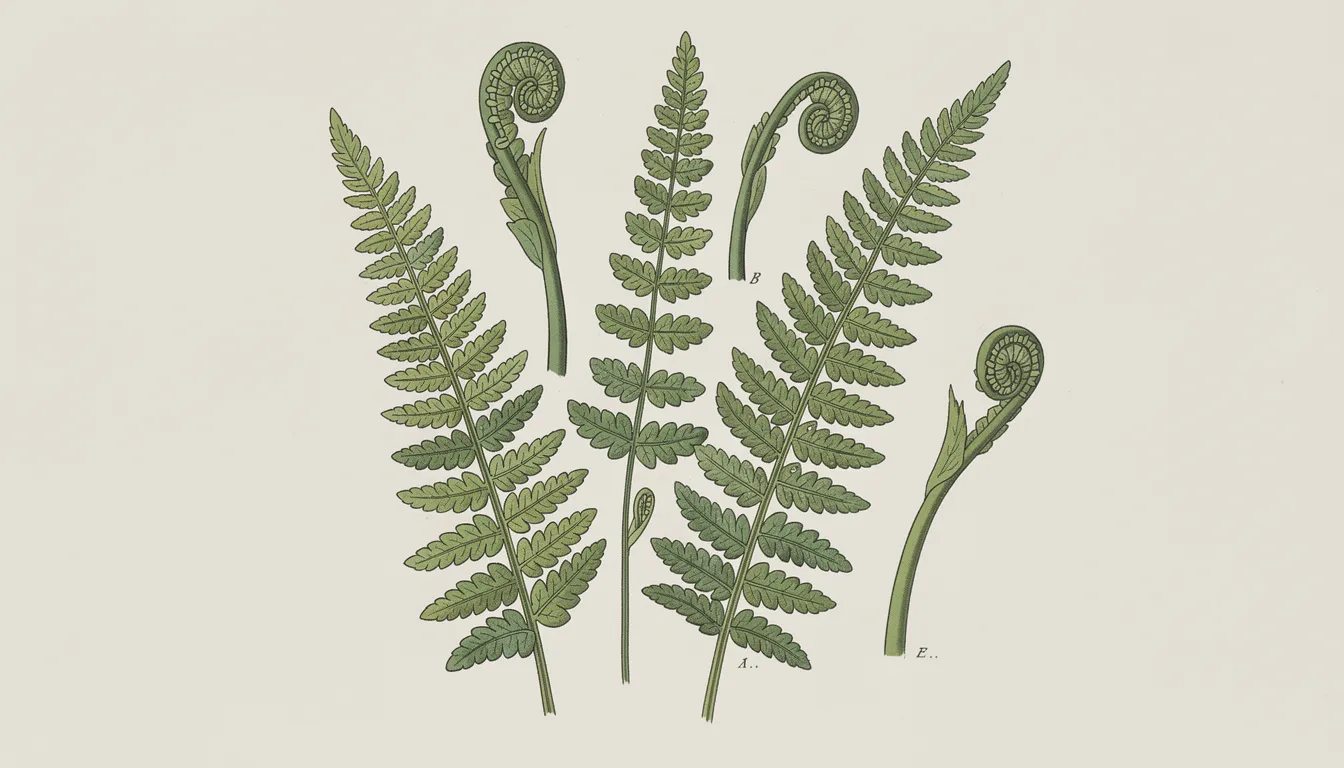
Illustrated botanical prints offer a different appeal-vintage reproductions from naturalist traditions bring historical elegance, while contemporary illustrations add artistic interpretation to natural subjects.
Color photography dominates the market, but black and white nature prints create sophisticated, timeless statements that work in modern and minimalist spaces. Monochromatic treatments emphasize form, texture, and composition over color impact.
Understanding these artistic approaches helps you choose nature posters that align with your aesthetic preferences and existing decor, which we’ll explore in detail next.
Types and Styles of Nature Posters
Building on the fundamental categories, let’s explore the specific styles available and how each can transform your space with distinct character.
Landscape and Scenic Posters
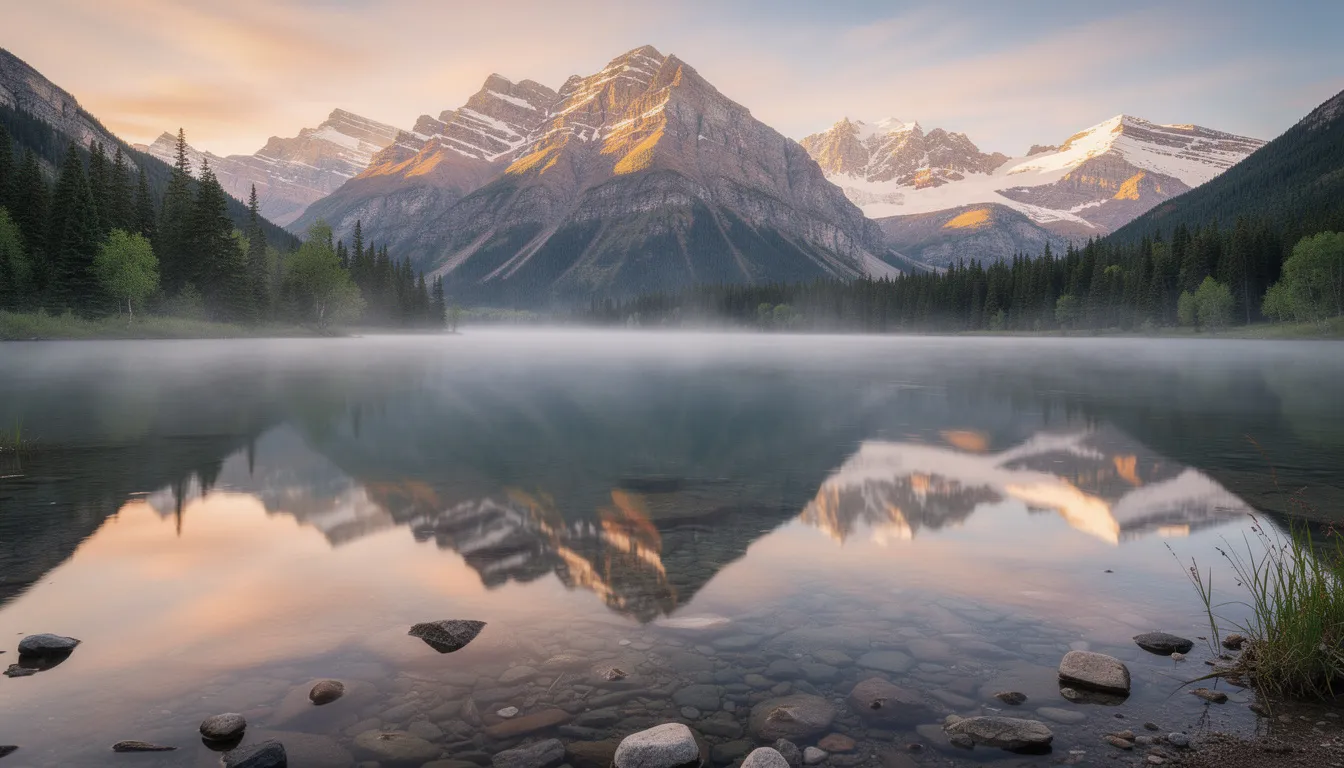
Mountain range posters create powerful focal points, with dramatic peaks and valleys adding depth and grandeur to any wall. Forest canopy imagery-looking upward through towering trees-instills a sense of peace and perspective that grounds busy spaces.
Ocean waves and lake reflection photos bring water’s calming influence indoors. These landscape posters work particularly well in bedrooms where tranquility matters, with their rhythmic patterns and cool blue tones promoting relaxation.
Desert landscapes and prairie scenes offer minimalist aesthetics with clean horizons and warm earth tones. These images suit contemporary spaces where simplicity and negative space define the design language.
Botanical and Plant-Focused Designs
Macro photography of flowers and leaves reveals nature’s hidden intricacies-the veining of a leaf, the texture of petals, the geometry of seed heads. These detailed prints reward close viewing and add sophistication to intimate spaces.
Vintage botanical illustration reproductions connect your decor to centuries of naturalist tradition. These classic prints, often featuring labeled specimens in muted color palettes, bring scholarly elegance to home offices and libraries.
Modern minimalist plant silhouettes strip flora to essential forms, creating graphic statements that complement contemporary interiors. Simple fern fronds or single leaf outlines in black on white backgrounds deliver impact without visual clutter.
Wildlife and Animal Imagery
Bird photography ranges from vibrant tropical species to subtle portraits of local songbirds, offering variety for any color scheme. Ornithological illustrations provide similar subjects with artistic interpretation and vintage charm.
Forest animal portraits-deer, foxes, owls, bears-connect viewers to woodland ecosystems and add warmth through their living subjects. Wildlife action shots capture movement and drama, creating dynamic focal points.
Marine life photography brings ocean ecosystems indoors through images of coral reefs, sea turtles, and whale encounters. These prints suit coastal-inspired spaces or anywhere seeking aquatic tranquility.
When selecting wildlife imagery, consider both the subject’s symbolic meaning and its visual compatibility with your room’s color palette and energy level.
Selection and Display Implementation
With knowledge of available styles, you’re ready to choose and display nature posters that enhance your specific spaces.
Choosing the Right Nature Poster
Matching poster themes to room function ensures your wall art supports rather than conflicts with how you use each space. A bedroom benefits from calming lake reflections or soft botanical prints, while a home office might energize creativity with mountain vistas or forest depths.
Follow this selection process for best results:
Identify your room’s primary color scheme and note dominant tones.
Consider the mood you want to create-energizing, calming, inspiring, grounding.
Measure available wall space to determine appropriate poster sizes.
Browse a quality poster store’s collection with these criteria in mind.
Narrow choices to 2-3 options and visualize each in your space before purchase.
Room lighting significantly affects how nature prints appear. South-facing rooms with abundant natural light can handle richer, more saturated images, while north-facing spaces benefit from brighter scenes that compensate for cooler ambient light.
Color coordination doesn’t require exact matching-complementary colors often create more interesting displays. A green forest print adds life to a room with warm wood tones, while ocean blues pop against cream or beige walls.
Consider seasonal rotation to keep your nature displays fresh. Spring and summer might feature vibrant wildflower meadows, while autumn and winter call for misty forests or snow-covered peaks.
Size and Placement Comparison
Poster Size |
Best Room Type |
Wall Space Needed |
Visual Impact |
|---|---|---|---|
Small (12×16”) |
Bathroom, hallway |
2-3 feet wide |
Subtle accent |
Medium (18×24”) |
Bedroom, office |
3-4 feet wide |
Moderate focal point |
Large (24×36”) |
Living room |
4-5 feet wide |
Strong statement |
Extra Large (36×48”+) |
Open floor plans |
6+ feet wide |
Dramatic centerpiece |
Placement height follows the eye-level rule: center your poster approximately 57-60 inches from the floor, which represents average human eye height. Adjust slightly lower in seating areas where viewers will typically be sitting. |
Single large landscape posters create unified focal points that anchor furniture arrangements, while gallery walls with multiple nature prints offer variety and personal curation. Gallery arrangements work well when prints share a common element-similar frames, connected color palettes, or unified themes like exclusively botanical subjects.
Framing and Presentation Options
Wood frames in natural finishes-oak, walnut, pine-complement nature themes by echoing organic materials. Light woods suit airy coastal and botanical prints, while darker woods add gravitas to dramatic landscapes.
Metal frames in black, white, or gold offer modern alternatives that work particularly well with contemporary photography and minimalist plant silhouettes. Thin metal profiles keep focus on the artwork rather than the frame itself.
Matting choices affect both presentation and longevity. White matte surrounds traditional subjects with clean breathing room, while off-white or cream tones warm the overall effect. Archival, acid-free matting protects prints from deterioration over time.
These framing decisions connect directly to quality considerations that determine whether your nature posters remain beautiful for years or fade within months.
Common Selection and Display Challenges
Even with clear criteria, certain obstacles frequently arise when decorating with nature imagery.
Overwhelming Choice Paralysis
The variety of available nature prints can feel paralyzing. Combat this by starting with a single room and identifying one dominant nature theme that resonates with you personally-forests, oceans, mountains, or flora.
Create a room-by-room plan that allows variety while maintaining cohesion. Your living room might feature a large landscape poster, your bedroom botanical prints, and your office wildlife imagery, all connected by a consistent color temperature or framing style.
Poor Quality Print Materials
Not all nature posters deliver on their promise. High-quality prints use archival inks on heavyweight papers-look for minimum 200gsm matte or satin finishes that resist fading and reproduce colors accurately.
Warning signs of low-quality reproductions include pixelation visible from normal viewing distances, overly saturated colors that appear artificial, and thin papers that show texture from whatever’s beneath. Reputable poster stores provide material specifications on their website; if this information isn’t available, consider that a red flag.
Incorrect Sizing and Placement
Undersized posters look lost on large walls, while oversized prints overwhelm small rooms. A reliable proportion guideline: your artwork should occupy roughly 60-75% of the available wall width above furniture.
For height, maintain 6-8 inches between the top of furniture and the bottom of your frame. Multiple pieces in a gallery arrangement should sit 2-3 inches apart for visual connection without crowding.
These practical formulas remove guesswork and ensure your nature posters achieve the professional, intentional look that transforms spaces rather than cluttering them.
Conclusion and Next Steps
Well-chosen nature posters do more than decorate walls-they fundamentally change how spaces feel. By selecting imagery that resonates with your personal connection to the natural world and displaying it thoughtfully, you create environments that offer daily moments of peace, beauty, and connection to something larger than indoor life.
Take these immediate steps to begin transforming your space:
Measure potential wall spaces in your priority rooms.
Identify which nature themes-landscapes, botanicals, wildlife-speak to you most strongly.
Research quality poster stores with clear material specifications and positive reviews.
Purchase one statement piece for your most-used room and experience the difference.
Once you’ve established your foundation of nature wall art, consider expanding with complementary elements: live plants that echo botanical prints, natural fiber textiles, and seasonal poster rotations that keep your connection to the outdoors fresh throughout the year.
Additional Resources
Quality poster stores specializing in nature photography and botanical prints offer curated collections that simplify browsing. Look for websites that organize by theme, room type, and size to streamline your search.
For sizing decisions, many retailers offer room visualization tools that help you see how different poster sizes appear on your actual walls. These calculators take the guesswork out of proportion planning.
Consider creating a seasonal rotation calendar marking when you’ll swap certain prints-forest greens in summer, mountain snow scenes in winter-to maintain engagement with your nature collection throughout the year.