Introduction
Unique wall decor for living room spaces encompasses non-traditional decorative elements that transform blank walls into captivating focal points, moving far beyond standard framed paintings to include sculptural pieces, textured installations, and dimensional artwork that reflect personal style. Unique living room wall decor can involve mixing textures and non-traditional materials, resulting in a layered, visually engaging effect that sets your space apart. This guide covers creative alternatives that add visual interest and depth to your living space through unconventional materials and innovative designs.
This content addresses sculptural wall pieces, mixed-media installations, functional art, and organic elements suitable for living rooms. Mass-produced prints and basic framed artwork fall outside this scope. If you’re a design-conscious homeowner seeking distinctive wall decoration that expresses your personality beyond conventional choices, this resource will help you transform your space.
Direct answer: Unique wall decor includes three-dimensional sculptures, layered textile art, display shelves with curated objects, oversized botanical installations, and architectural salvage pieces that add dimension and create striking visual statements.
From this guide, you’ll gain:
Identification of distinctive decor types that suit various living room styles
Understanding of spatial requirements and scale considerations
Mastery of arrangement principles for cohesive design
Solutions for common installation challenges
Understanding Unique Wall Decor
Unique wall decor refers to pieces that transcend flat surfaces through dimension, texture, or unconventional material choices. Unlike traditional wall art that sits flush against the wall, these elements interact with light, create shadow play, and establish a dynamic relationship between the artwork and the room itself. Unique living room wall decor can involve mixing textures and non-traditional materials, such as combining woven textiles with metal, wood, or organic elements, to create a truly distinctive and tactile experience.
Dimensional and Sculptural Elements
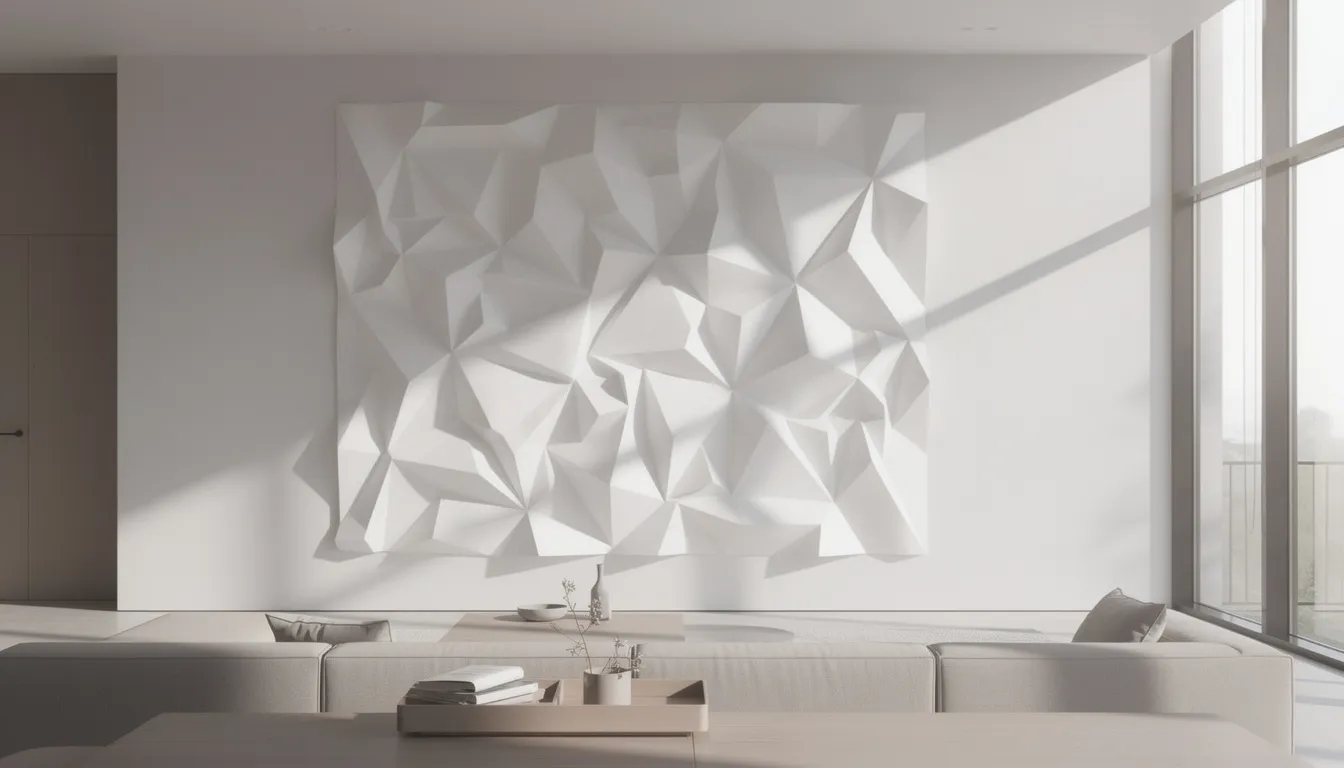
Wall-mounted sculptures, floating geometric forms, and layered panel systems represent the foundation of dimensional wall décor. These pieces-whether handcrafted metal cutouts, wood assemblages, or mixed-material compositions-project outward from the wall to create depth and visual intrigue that flat canvas prints cannot achieve.
In living room applications, three-dimensional pieces interact directly with furniture placement and lighting conditions. A sculptural metal piece positioned above tables or seating areas catches natural light throughout the day, casting evolving shadows that add life and warmth to the space.
Mixed-Media and Textile Installations
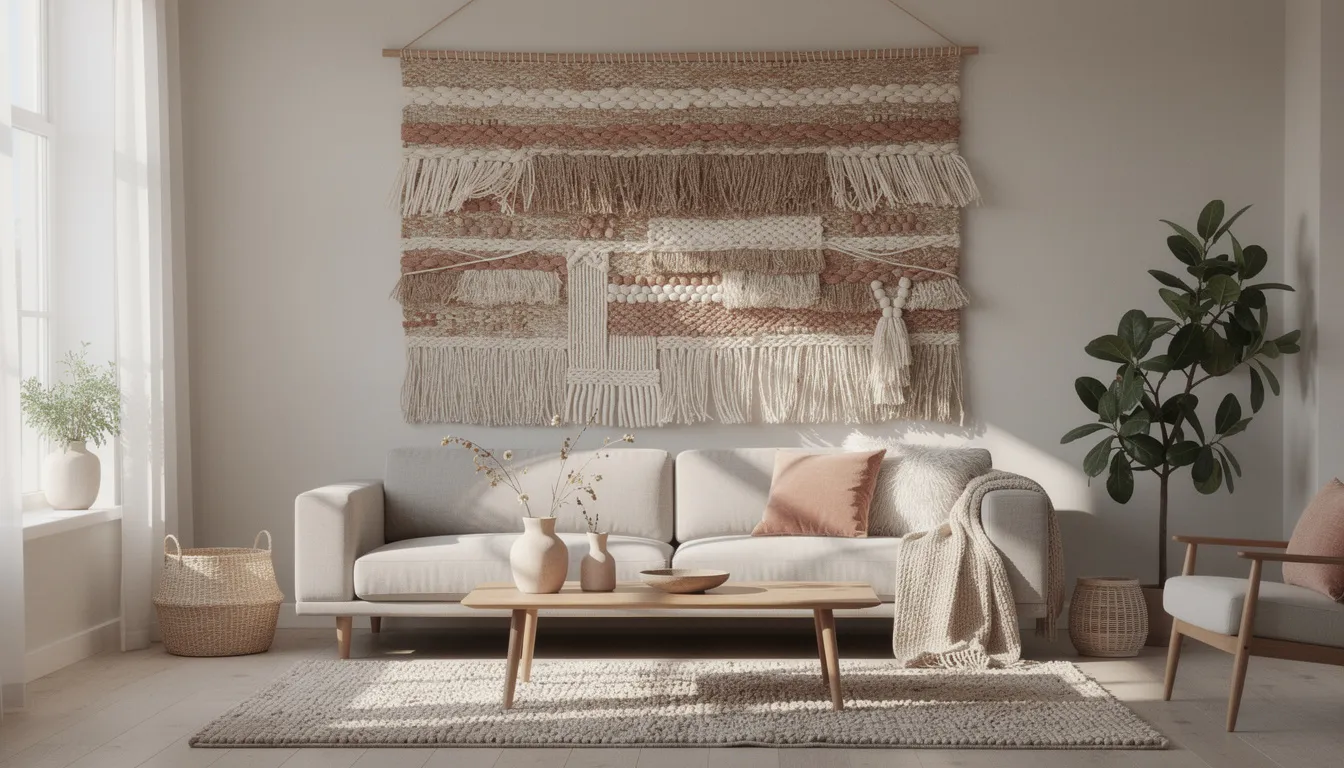
Woven wall hangings, macramé installations, and fabric-based dimensional pieces introduce texture and movement into contemporary living room decor. These elements-from rope art to pressed flower arrangements-provide a fresh, organic feel that softens modern interiors while adding tactile beauty.
Beyond aesthetics, textile installations contribute to room acoustics by absorbing sound and reducing echo in open living spaces. The relationship between soft textile elements and harder surfaces like gray walls or metal accents creates essential contrast that makes rooms feel balanced and intentional.
Understanding these foundational concepts prepares you to explore specific categories of unique wall décor suitable for your living room.
Categories of Unique Living Room Wall Decor
Building on the dimensional and mixed-media foundations, specific decor categories offer distinct opportunities to showcase your style and create statement pieces that transform your living room.
Display Shelves and Functional Art
Display shelves arranged as sculptural compositions combine functionality with artistic expression. Floating shelves at varying heights create a vertical gallery wall effect while providing space to showcase curated objects, photos, and small plants. Modular storage systems in geometric shapes serve double duty-adding visual interest while keeping items organized.
Wall-Mounted Planters
Wall-mounted planters elevate living room decor by integrating nature with art. These pieces work particularly well in gray or neutral spaces, where the greenery provides a fresh pop of color and life.
Preserved Moss Walls
Preserved moss walls bring biophilic design into your home without maintenance demands. These striking installations add texture, depth, and an immediate connection to nature that resonates with wellness-focused design trends.
Driftwood and Living Plant Walls
Driftwood installations and living plant walls extend this theme, creating organic focal points inspired by the natural world.
Note that organic elements pair beautifully with blue and neutral palettes, reflecting current design movements that emphasize natural materials over synthetic alternatives.
Salvaged Architectural Elements
Salvaged materials-vintage window frames, reclaimed wood panels, and antique architectural elements-bring story and history to living room walls.
Exposed Brick and Metal Grids
Exposed brick treatments and metal grid systems add industrial edge while maintaining warmth through their handcrafted imperfections.
These categories work together cohesively when you match materials and maintain a consistent theme. A living room might pair a reclaimed wood shelf system with preserved botanical elements and metal accent pieces, creating layered visual interest without chaos.
With category options clarified, understanding practical installation requirements ensures successful execution.
Planning and Installing Unique Wall Decor
Moving from concept to reality requires careful assessment of your space and attention to practical considerations that ensure your unique wall décor enhances rather than overwhelms your living room.
Wall Assessment and Preparation
Before selecting pieces, evaluate your wall space and structural requirements:
Measure wall dimensions and ceiling height – Document width and horizontal space to determine appropriate piece scale
Check wall structure and electrical placement – Identify studs for heavy pieces and note outlet locations that might affect arrangements
Plan sight lines from primary seating areas – Stand or sit in typical positions to visualize how artwork will be viewed
Mark installation points with painter’s tape – Create a visual mock-up before committing to hang anything
Scale and Proportion Guidelines
Room Size |
Recommended Decor Dimensions |
Installation Height |
Spacing Between Pieces |
|---|---|---|---|
Small Living Room (under 200 sq ft) |
24-36 inches maximum width |
57-60 inches center point |
2-3 inches |
Medium Living Room (200-400 sq ft) |
36-48 inches or gallery arrangement |
57-60 inches center point |
3-4 inches |
Large Living Room (400+ sq ft) |
48+ inches or statement installations |
Variable based on ceiling height |
4-6 inches |
This framework helps you shop for pieces that suit your space. Oversized abstract wall art creates dramatic impact in larger rooms, while small spaces benefit from vertical arrangements that draw the eye upward without consuming valuable wall real estate.
Understanding scale positions you to address common challenges that arise during the design process.
Common Challenges and Solutions
Implementing unique wall decor presents typical obstacles that thoughtful planning can resolve effectively.
Limited Wall Space
Solution: Embrace vertical layering and corner utilization. Stack smaller pieces vertically to create visual height, or explore corner-wrapping installations that maximize awkward angles. A corner gallery wall using frames of varying shape and size can transform dead space into a design feature.
Balancing Unique Pieces
Solution: Create cohesion through color coordination and visual weight distribution. If your statement piece features bold blue tones, echo that color in pillows or accent pieces throughout the room. Balance heavy sculptural elements with lighter furniture arrangements, and ensure your gallery wall complements rather than competes with existing decor.
Installation Requirements for Heavy Pieces
Solution: Invest in proper wall anchoring systems rated for your piece’s weight. Durable toggle bolts and French cleat systems provide secure mounting for metal sculptures and heavy panel installations. For complex pieces or structural concerns, professional consultation prevents damage and ensures safety-particularly when working with stock walls in apartments or older homes.
These solutions position you to confidently transform your living room with distinctive wall elements.
Conclusion and Next Steps
Unique wall decor, such as unique wall art prints, elevates living room design from ordinary to extraordinary through dimensional pieces, textured installations, and unconventional materials that reflect your personality and create lasting visual impact. Whether you explore sculptural metal art, organic moss walls, or curated display shelves, these elements add depth and story that mass-produced prints cannot match.
Immediate steps to refresh your walls:
Assess your current wall space and identify the most promising focal point location
Select one unique element that speaks to your style-whether functional, organic, or architectural
Plan installation requirements including proper anchoring and professional help if needed
Arrange existing furniture to complement and showcase your new statement piece
For continued design exploration, consider lighting design specifically for wall features-proper illumination transforms sculptural pieces dramatically. Seasonal rotation of decorative elements keeps your living room feeling fresh year-round without major investments.
Additional Resources
Wall Anchor Weight Limits:
Standard drywall anchors: 5-25 pounds
Toggle bolts: 25-50 pounds
French cleats: 50-200+ pounds depending on installation
Essential Installation Tools:
Level (laser or bubble)
Stud finder
Appropriate anchors for wall type and piece weight
Painter’s tape for planning
When to Consult Professionals:
Pieces exceeding 50 pounds
Installations requiring electrical integration
Structural modifications to walls
Complex multi-piece arrangements covering large areas