Introduction
Wall art pictures are decorative visual elements-paintings, prints, photographs, and mixed media pieces-specifically designed for wall display to enhance interior spaces with color, texture, and personal style. Whether you’re looking to create a stunning focal point in your living room or add personality to a home office, understanding how to select and display wall art transforms ordinary walls into expressions of individual taste.
This guide covers residential and commercial applications of wall art, from canvas prints and framed artwork to metal prints and gallery wall arrangements. We exclude outdoor installations and large-scale murals, focusing instead on the practical art choices homeowners, renters, interior designers, and art enthusiasts encounter when decorating interior spaces.
Direct answer: Wall art pictures are printed, painted, or photographed visual artworks mounted on various materials-canvas, paper, metal, or acrylic-and specifically formatted for wall display to add personality, depth, and style to any room.
By exploring this guide, you will:
Understand the different types of wall art pictures and their unique characteristics
Learn selection criteria for size, style, and material based on your space
Master placement techniques that create visual impact
Solve common display challenges like awkward proportions and color coordination
Create cohesive visual themes that reflect your personality and elevate your home
What Makes Wall Art Pictures Unique?
Wall art pictures stand apart from other types of wall decor due to their ability to express personal style, influence the mood of a space, and serve as intentional design elements. Unlike generic wall hangings or purely functional decor, wall art pictures are specifically created to be visually impactful and meaningful. They can become the focal point of a room, drawing attention and setting the tone for the entire space. Proper size and placement are crucial-artwork should typically cover about two-thirds of the width of the furniture below it, and the center should be hung at approximately 57-60 inches from the floor for optimal viewing. By thoughtfully selecting wall art pictures that resonate with your taste and arranging them with care, you can transform any room into a reflection of your personality and create an inviting atmosphere.
Understanding Wall Art Pictures
Wall art pictures serve dual purposes in interior design: they provide aesthetic enhancement through color, texture, and composition while also fulfilling emotional functions by expressing personal identity, evoking memories, and setting the mood of a space.
A wall art picture is any printed, painted, or photographed artwork specifically designed for wall display. A gallery wall refers to an arrangement of multiple art pieces grouped together to create a cohesive display, while a focal point is a dominant visual element that draws attention within a room.
Selecting the right artwork helps personalize living and working environments, turning blank walls into meaningful showcases of individual taste and artistic inspiration.
Canvas Wall Art Pictures
Canvas art consists of images printed or painted onto stretched fabric-typically cotton or linen-mounted over wooden stretcher bars. This format creates a gallery-ready appearance without requiring additional framing, making it one of the most popular choices for modern and traditional interiors alike.
Canvas wall art pictures add tactile texture and visual depth to room design. The woven surface softens harsh lighting and reduces glare, creating warmth that suits styles from rustic farmhouse to contemporary minimalist. Gallery-wrapped canvas, where the image continues around the sides, offers a frameless, finished look ideal for creating bold focal points above sofas or beds.
Framed Wall Art Pictures
Framed prints and photographs feature artwork mounted within a border structure, often protected by glass or acrylic glazing. Frame styles range from ornate gilded wood suitable for traditional spaces to sleek metal designs that complement modern aesthetics.
Compared to canvas, framed wall art pictures typically present a more formal appearance. However, the relationship between these formats offers flexibility-canvas creates casual warmth while framing adds structure and polish. Both serve essential roles depending on room style and the specific atmosphere you wish to create. Understanding these distinctions prepares you for exploring the full range of formats available for transforming your walls.
Types and Formats of Wall Art Pictures
Building on foundational definitions, wall art pictures span diverse categories that accommodate virtually any design preference, budget, and functional requirement. Each format offers distinct visual qualities and practical considerations that influence where and how artwork best serves your space.
Photography-Based Wall Art Pictures
Photography-based wall art transforms personal photos, professional images, and fine art photography into stunning display pieces. This category allows you to showcase cherished memories, celebrate beautiful landscapes, or bring the work of world-renowned artists into your home.
Material options significantly affect the final appearance:
Metal prints use dye-sublimation technology to infuse images directly into aluminum, producing vibrant colors and exceptional durability
Acrylic prints mount photographs behind crystal-clear panels, creating luminous depth and a modern, frameless aesthetic
Traditional paper prints offer affordability and versatility, suitable for matting and custom framing in different sizes
Digital and Printed Art Pictures
Contemporary digital artwork, vintage reproductions, graphic design pieces, and posters fall within this expansive category. Digital art enables artists from around the world to create and distribute work efficiently, while high-quality reproduction techniques make classic masterpieces accessible to any budget.
Print technology has advanced dramatically-giclée printing with archival pigment inks produces museum-quality results on canvas, paper, and specialty substrates. This versatility connects digital and printed art to photography formats, as similar materials and production methods apply across categories.
Mixed Media and Specialty Wall Art Pictures
Mixed media wall art incorporates multiple materials-paint combined with collage elements, resin overlays, fabric textures, or three-dimensional sculptural components. These pieces add unique depth and tactile interest that flat prints cannot replicate.
Specialty options include:
Wood panel prints with visible grain texture
Reclaimed material assemblages
LED-integrated frames and digital displays
Shadow boxes with dimensional objects
This format variety ensures wall art exists for every style preference and spatial requirement. Understanding available options empowers you to make informed selections as we explore practical implementation guidance.
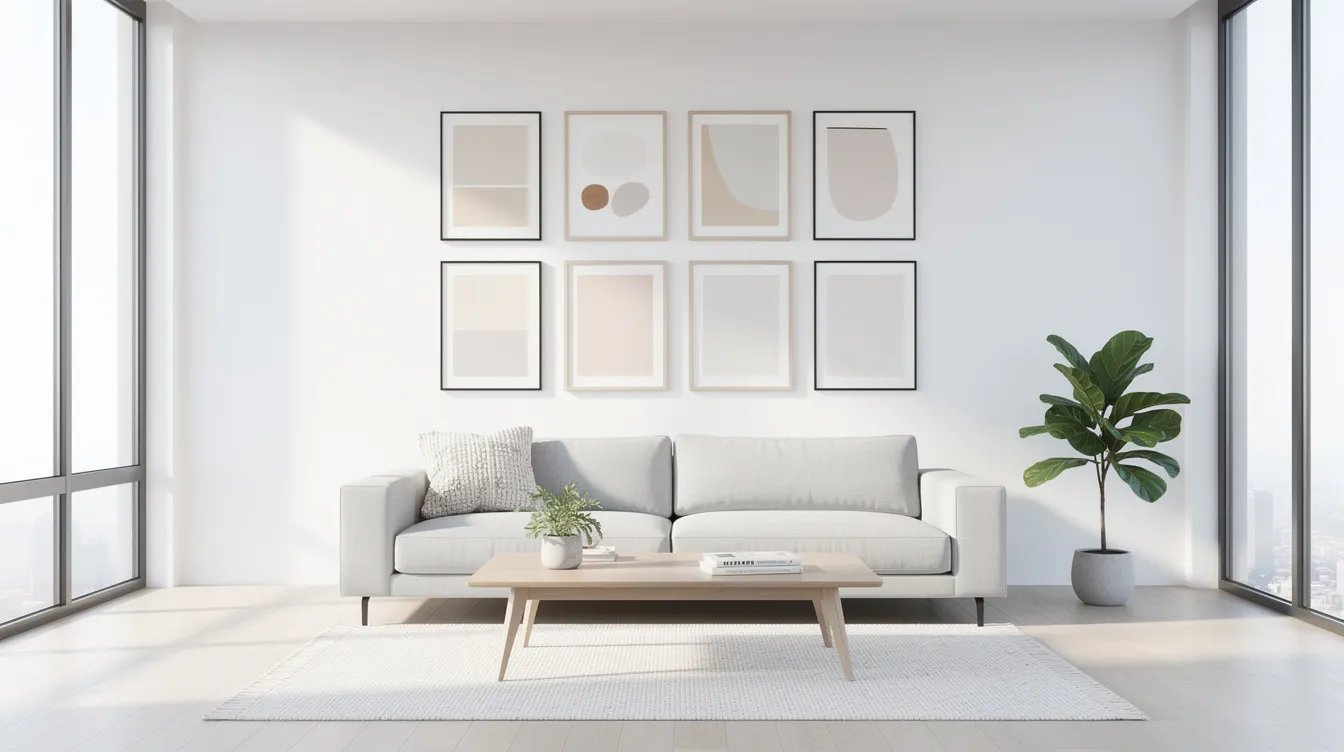
Selecting and Placing Wall Art Pictures
Successful wall art display requires thoughtful consideration of size, style, and placement. Matching artwork to your specific space transforms random decoration into intentional design that enhances room function and visual appeal.
Size Selection Process
Proper sizing prevents the common mistake of artwork appearing lost on large walls or overwhelming small spaces.
Measure wall space and furniture proportions – Document the dimensions of your wall and any furniture positioned below the intended art location, such as sofas, consoles, or beds
Calculate ideal artwork dimensions using the 2/3 rule – Wall art should span approximately two-thirds the width of furniture beneath it; a 72-inch sofa pairs well with artwork around 48 inches wide
Consider viewing distance and room function – Large walls in open-concept spaces or long hallways require bigger pieces for details to register; intimate rooms like nursery spaces or home office areas may suit smaller, more detailed works
Account for grouped arrangements and gallery walls – When creating a gallery wall or hanging wall art sets, plan the total arrangement dimensions rather than individual piece sizes; maintain 2-4 inch spacing between frames for visual cohesion
Style and Color Coordination
Matching artwork to existing décor creates rooms that feel intentionally designed rather than randomly assembled.
Approach |
Color Strategy |
Style Compatibility |
|---|---|---|
Complementary |
Match one or more shades from existing fabrics, rugs, or accent pieces |
Creates cohesive themes across modern and traditional interiors |
Contrast |
Select bold colors opposing the room’s dominant palette |
Delivers high-impact statement pieces that command attention |
Neutral Bridge |
Use subtle earth tones, grays, or muted palettes |
Provides versatile transitions suitable for rooms with varied elements |
Choosing your approach depends on the role you want artwork to play-quiet harmony, bold statement, or flexible foundation. Rooms with busy patterns benefit from simpler artwork, while minimalist spaces can handle more complex or colorful pieces. This strategic thinking helps anticipate and prevent common display challenges. |
Common Challenges and Solutions
Even beautiful wall art pictures fail to achieve their potential when common display mistakes undermine visual impact. Addressing these issues transforms frustrating decorating experiences into successful room transformations.
Artwork Appearing Too Small or Lost on Large Walls
When single pieces appear insignificant against expansive walls, the solution involves either scaling up or grouping strategically. For large wall art needs, select pieces spanning 50-75% of furniture width below or total wall width when no furniture anchors the space. Alternatively, create gallery walls by assembling multiple smaller works into cohesive arrangements-maintain consistent spacing and use paper templates before hanging to perfect your layout.
Hanging Height and Positioning Mistakes
Artwork hung too high is the most common placement error. Use the 57-60 inch center point rule-position the center of your artwork at this height, matching standard gallery practice and average eye level. When hanging above furniture, maintain 6-12 inches between the furniture top and artwork bottom. For multiple pieces, align centers or bottom edges depending on your arrangement style, and always use proper hardware rated for your artwork’s weight.
Color Clashing with Room Decor
When colors compete rather than complement, the solution lies in strategic selection and presentation. Choose artwork featuring at least one color already present in your room-even a subtle accent creates visual connection. When artwork and décor resist harmonizing, neutral matting and frames serve as bridges, softening transitions between conflicting palettes. Digital preview tools and AR applications now allow testing artwork in your actual space before purchase, preventing expensive color mismatch mistakes.
Understanding these challenges ensures your wall art investment delivers the visual transformation you envision.
Conclusion and Next Steps
Wall art pictures possess remarkable power to transform spaces through thoughtful selection and proper placement. From canvas prints adding texture and warmth to metal prints delivering vibrant modern impact, the right artwork creates focal points that reflect personality while enhancing room design. Understanding types, mastering sizing principles, coordinating colors strategically, and avoiding common mistakes enables anyone to elevate their interior spaces with confidence.
Immediate actionable steps:
Measure your target walls and nearby furniture, documenting dimensions for reference
Identify your style preferences by gathering inspiration from images that attract you
Start with one focal wall to practice selection and placement principles
Gradually build collections, mixing formats and sizes as your eye develops
Related topics worth exploring include lighting techniques that showcase artwork effectively, strategies for rotating seasonal displays to keep spaces fresh, and approaches to building meaningful art collections over time that grow with your evolving taste.
Additional Resources
Room-by-Room Sizing Quick Reference:
Living room above sofa: 48-72 inches wide
Bedroom above headboard: 2/3 of headboard width
Dining room: artwork at seated eye level
Hallways: series of smaller pieces at consistent heights
Gallery Wall Planning:
Use paper templates cut to artwork sizes
Arrange on floor before wall mounting
Standard spacing: 2-3 inches between frames
Mix frame styles carefully-limit to 2-3 complementary options
Material Selection by Room:
High humidity spaces (bathrooms): metal or sealed acrylic
Direct sunlight areas: UV-protective glazing or fade-resistant prints
High-traffic zones: durable materials; avoid fragile glass frames