




Wall Poster Size Guide
A wall poster size guide is essential for both beginners and professionals working on a poster printing project. Posters displayed on walls vary greatly in dimensions, so knowing the standard poster sizes and custom poster sizes can help you decide the best print size for your design elements and target audience. Standard poster sizes offer numerous benefits, such as availability of paper rolls and print enlargements tailored to these sizes.
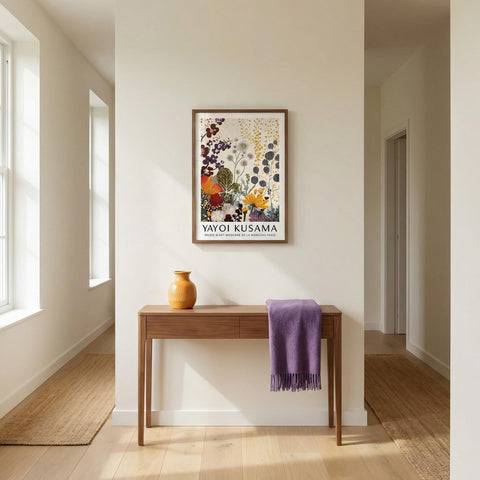
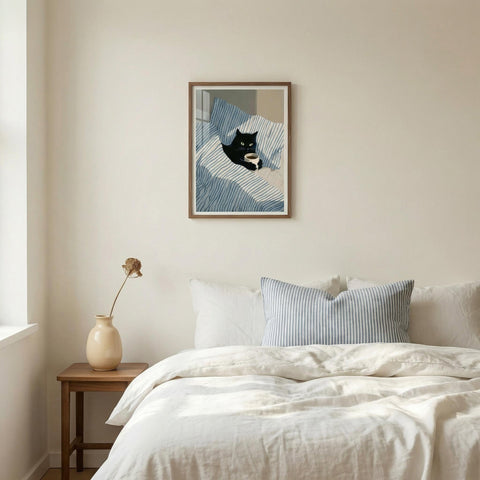
Posters are used in a variety of environments, including trade shows, schools, bulletin boards, offices, and living rooms. Walls play a major role, as they dictate the available space for posters displayed and what dimensions work best. Medium sized posters, such as 18" x 24" or A2 (16.5" x 23.4"), are commonly used in bedrooms, living rooms, and offices, while large posters typically demand larger walls in high traffic areas.
Poster Printing Project
Undertaking a poster printing project requires careful planning. Start by assessing the space on your walls and determining whether a standard poster size or custom poster sizes are more appropriate. Consider your printing needs, from high resolution images to paper quality, and account for both message and visual hierarchy. Make a plan that includes your budget, the number of posters, and where each printed poster will be displayed.
Poster Printing
Poster printing options today are virtually endless, ranging from digital to offset printing. Digital printing is ideal for short-run production and when a rapid turnaround is necessary. Offset printing provides higher-quality results and is more suitable for large-run production. Choose paper and poster sizes that match your intended display location and make sure the printing process results in high quality images and vivid color scheme. For instance, printing posters for art prints in a gallery requires a different approach and quality than printing bulletin posters for schools. Always use high resolution images to ensure quality across different poster sizes.
To achieve the best results in poster printing, select the appropriate print size, consider the distance from which viewers will see the posters, and use durable paper to increase longevity. The printing process should guarantee sharp image quality, whether creating small posters for bulletin boards or large posters for advertising in busy areas.
Movie Poster
The standard size for a movie poster is 24 x 36 inches, making it a go to option for film enthusiasts and collectors. Movie posters use bold fonts, striking images, and a sophisticated color scheme to capture attention and convey essential elements quickly. When planning to print a movie poster, focus on visual hierarchy and ensure ample space for text elements that include movie titles, credits, and main graphics.
Movie posters not only serve an advertising purpose but also stand as collector’s art prints. The printing process for movie posters requires high resolution images and quality printing to preserve every aspect of the poster design for display on walls at home or in theaters.
Custom Poster Sizes
Sometimes, specific purposes or unique wall spaces require custom poster sizes. Custom posters allow greater creativity in poster design and can be tailored to fit unusual walls, bulletin boards, or to complement a particular decorative theme. Decide on the dimensions based on the wall’s available space, desired visual impact, and printing limitations.
For custom poster sizes, always use high quality images and communicate with your poster printing provider about your requirements. Custom posters are popular for events, business branding, or when a standard poster size just won’t work for your unique needs.
Movie Posters
Movie posters are iconic for their ability to create visual interest and instantly connect with audiences. Using large images, bold fonts, and careful typography, movie posters communicate essential elements of a film and evoke emotional responses from viewers. Movie posters are often displayed on theater walls or as part of home decor collections.
It’s not uncommon for movie posters to be printed in multiple standard sizes to fit various display locations, such as smaller posters for bulletin boards or larger size versions for theater entrances. Consistency in design and quality printing is necessary to make movie posters stand out, wherever they’re displayed.
Poster Design
Pleasing and eye catching poster design should incorporate design elements that suit both walls and message. Use a minimalist design for a modern feel or a more ornate color scheme if you aim for decorative posters. Poster design should take into account the standard poster size and the distance viewers will be from the poster. Choose bold fonts for readability and use images or art prints that enhance the visual hierarchy.
Creating an effective poster means focusing on the target audience and the message you want to convey. The most important information should be easy for the viewer to see at a glance, with essential elements like images, text, and brand logos properly balanced for visual interest.
High Resolution Images
High resolution images are a must when creating posters for walls. Using the highest quality images ensures that the printed poster will not appear pixelated or blurry, even at a larger size. This applies for both art prints and advertising posters. Before printing, double check your image resolution is sufficient for your selected print size, especially for large posters displayed in public spaces.
Larger images in poster design provide more visual impact but require higher resolution and better quality printing. Many professional poster printing providers recommend using images of at least 300 DPI for best results on any paper or print size.
Large Posters
Large posters, such as those measuring 24 x 36 inches or above, are perfect for attracting attention in busy areas and high traffic locations. These large size prints offer ample space for both bold text elements and eye catching graphics. The viewing distance plays a big role-posters displayed farther away need larger fonts and images to ensure readability.
When planning to print large posters, use quality paper, high resolution images, and prioritize essential elements in the poster design. Large posters are ideal for advertising events, product launches, or large-scale art prints meant to be the centerpiece of a wall.
Essential Elements
The essential elements of a successful poster include an eye catching headline, high quality images, bold fonts, clear visual hierarchy, and a well-chosen color scheme. Posters must effectively communicate their intended message, which means the layout should facilitate the viewer receiving important information quickly and clearly.
For advertising posters or bulletin posters, make sure message and brand are featured prominently. In art prints or decorative posters, let the imagery and design shine, using ample space and a harmonious color palette for visual harmony.
Most Common Poster Sizes
Some of the most common poster sizes include 11 x 17, 18 x 24, and 24 x 36 inches. The 24 x 36 size is extremely popular for movie posters and large advertising prints. These standard poster sizes are widely available in the printing industry due to their versatility and ability to fit a wide range of wall and display requirements.
Common poster sizes are also easy to frame and fit within standard paper dimensions, making them go to options for personal and professional poster printing projects.
Common Poster Sizes
The most common poster sizes work well in a variety of scenarios. From small posters for bulletin boards or school corridors to medium sized posters for offices, there is a standard size for nearly every purpose. When choosing among common poster sizes, consider both how much wall space you have and how far viewers will be from the poster.
For those aiming to create custom posters or art prints, common poster sizes offer a reference point. Custom poster sizes can be adapted from these standards as needed for specific purposes or walls that require a unique approach.
Best Poster Size
Determining the best poster size depends on your objective, available wall space, and the type of information or images you plan to include. For movie posters and large decorative displays, 24 x 36 inches is a popular size that effectively communicates with a wide audience. Smaller posters work better in confined spaces or where subtlety is desired.
The right poster size conveys your message with clarity and ensures that all essential elements are visible at the intended viewing distance. When in doubt, using standard poster sizes as a guide often results in an effective printed poster.
Ensure Readability
To ensure readability, select a print size and text elements that are visible from the average distance at which the poster will be viewed. Bold fonts, strong contrast, and minimalist design principles help display your message effectively without cluttering the space. Consider the color scheme for clarity, especially when printing posters for advertising and bulletin boards, where the audience frequently ranges in age and attention span.
Readability is especially crucial for posters displayed in high traffic or busy areas. Make your information accessible with clear lines, ample space between elements, and high resolution images.
24 x 36
The 24 x 36 inches size is perhaps the most go to dimension for both movie posters and large advertising prints. Its generous space allows designers to display larger images and convey essential elements with ease. Extra-large posters, commonly 36" x 48" or larger, are used for dramatic, high-impact art. This standard size is widely recognized and favored for posters intended for theaters, trade shows, and art galleries alike.
If your space allows, a 24 x 36 poster is a versatile choice for both home decor and commercial needs. Its ample room accommodates multiple design elements and ensures high impact, whether used for art prints or as an eye catching advertising solution.
Poster Sizes and Poster Dimensions Explained
Poster sizes are classified by dimensions, typically given in inches, such as 11 x 17, 18 x 24, and 24 x 36. Understanding poster dimensions helps you plan where to hang or mount the printed poster. Each poster size fits different walls and purposes, with medium sized posters filling most office or classroom boards and larger sizes creating impact in open spaces. The most common poster size ratios are 2:3 and 4:3.
The poster printing process relies on matching your images, posters’ space requirements, and message to the available dimensions. When selecting a poster size, consider the distance at which viewers will see your poster and the type of information you need to convey.
Display Strategies for Posters
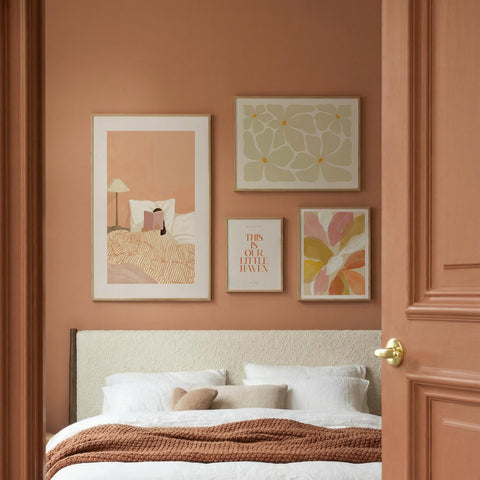
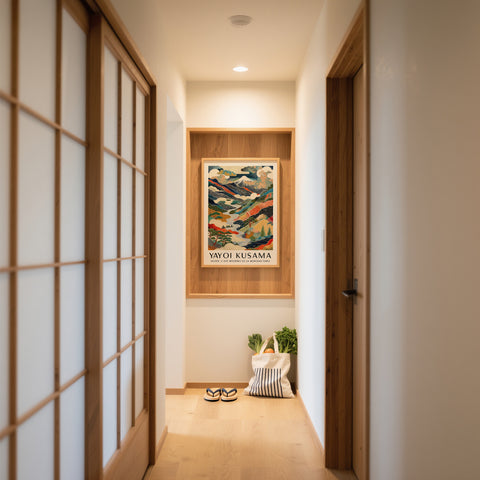
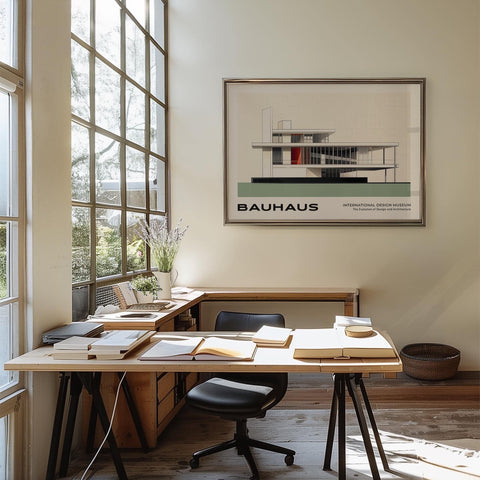
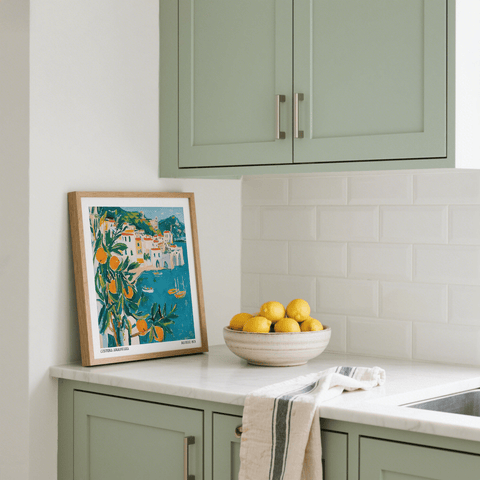
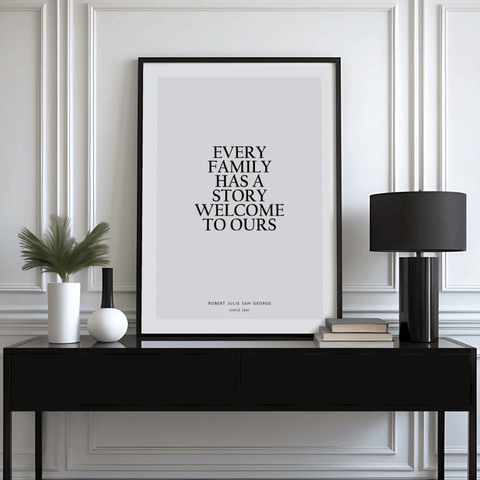
Effective display of posters involves considering wall size, poster dimensions, and how to arrange posters for maximum visual interest. Grouping small posters or art prints can create dynamic gallery walls in your home decor. Use large posters for high visibility on expansive walls in offices, schools, or trade shows. A single poster should ideally fill about 60% to 75% of the wall's empty horizontal space to be a focal point.
Bulletin posters can be rotated or updated easily on bulletin boards, making them suitable for frequently changing messages. Decorative posters are often displayed in living rooms, bedrooms, or personal studios to reflect individual taste and style.
Choosing the Right Poster Size and Paper
Choosing which poster size and paper to use depends on the intent behind your poster printing project. For advertising in high traffic areas, use sturdy, high quality paper and a larger size, such as 24 x 36. For art prints, select archival paper and print smaller posters for delicate, detailed images, or larger sizes for impact pieces.
Paper quality directly affects the longevity and appearance of your printed poster. Glossy finishes enhance image and color vibrancy, while matte finishes create a subtle, sophisticated appearance for posters displayed under strong lighting. For long-lasting prints, consider using acid-free paper, which prevents yellowing over time and ensures the color of your poster remains vibrant and intact.
Visual Hierarchy in Poster Design
Establishing a clear visual hierarchy means organizing the elements so that viewers easily see the most important information first. Use bold fonts for headlines, larger images for maximum impact, and a color scheme that ensures every part of your message is visible. Visual hierarchy is particularly vital in posters designed for advertising or bulletin boards, where viewers often pass by quickly.
Employing visual hierarchy increases the effectiveness of any printed poster, helping the message effectively reach its audience and stand out from the endless visual chatter on busy walls.
Advertising and Decorative Posters
Advertising posters typically use a larger poster size and are displayed in high traffic areas to reach a broad audience. These posters need high quality images, bold text, and ample space for key details. Decorative posters, on the other hand, can range from large prints for dramatic statements to smaller posters as part of a gallery wall or home office. Select the right poster size based on the available wall space and desired effect.
Both advertising posters and decorative posters benefit from thoughtful poster design, color scheme choices, and strategic poster printing to create a lasting impression on the viewer.
The Importance of Printing Process and Print Quality
The quality of the printing process directly impacts your poster’s appearance and lifespan. High quality printing uses premium inks and paper, resulting in vibrant graphics and sharp images. When planning a poster printing project, always work with reputable printers that understand the specific requirements for your chosen poster size and finishing options.
Consider both the print size and the amount of space available on your walls when planning. The printing process should be tailored to ensure your audience receives a message that is clear, visually engaging, and effectively communicates your intended impact.
Planning for Posters Displayed in Busy Areas
Posters displayed in busy areas need to stand out and communicate information quickly. Use larger posters, strong bold fonts, ample space, and high contrast images. Placement on prominent walls in schools, offices, or trade shows maximizes exposure and helps achieve your objectives, whether that be education, advertising, or artistic expression.
Endless options for design and dimensions ensure that posters can be created to fit specific purposes. Always consider how the viewer interacts with posters-whether passing by at a distance or stopping to engage with the content-when planning your poster printing project.
Tips for Creating Custom Posters
When creating custom posters, begin by identifying your target audience, wall size, and specific message. Choose poster dimensions that fit your available space and use high quality images for clarity. Incorporate a unique color scheme that aligns with your brand or theme, and keep visual hierarchy in mind by highlighting the most important information.
Custom poster sizes provide endless flexibility, allowing you to design for unusual spaces or special events. Work closely with your printing provider to ensure that the printed poster meets your expectations in terms of size, quality, and impact. Custom printing is ideal for creating oversized posters for large events or high-visibility outdoor displays.
Conclusion
Selecting the right poster size using a wall poster size guide is essential for ensuring that your message is displayed effectively. Whether you are printing standard poster sizes or custom posters for specific walls, careful planning of dimensions, printing process, and design elements result in a high quality, eye catching printed poster. Remember to use high resolution images, a clear visual hierarchy, and choose paper quality that matches your goals to create posters that stand out on any walls, whether for art, advertising, or decoration. With the proper approach, your posters will communicate your message clearly, making a lasting impression on your audience and elevating any space, from trade shows to home decor displays.





