Table of Contents

    Stampe d'Arte Moderna vs. Contemporanea

    I termini “moderno” e “contemporaneo” sono spesso usati in modo intercambiabile nell'arte, ma quando si tratta di stampe da parete, rappresentano stili e atmosfere distinti. Comprendere la differenza può aiutarti a scegliere pezzi che si allineano meglio con il tuo spazio. In questa guida confronteremo le stampe d'arte moderna e contemporanea per permetterti di fare scelte di stile sicure per la tua casa, ufficio o area creativa.

    Cosa definisce le stampe d'arte moderna?

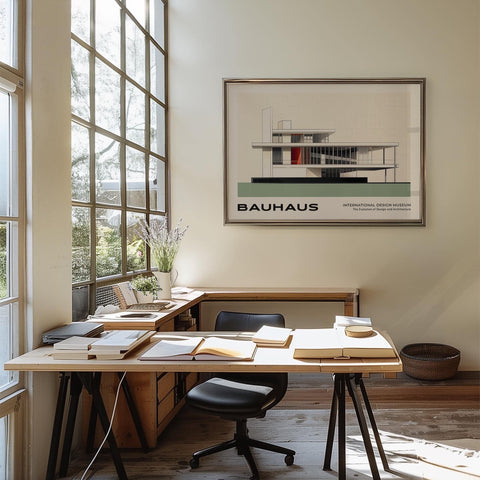
    Le stampe d'arte moderna affondano le radici nei movimenti del primo e metà XX secolo come il Bauhaus, il minimalismo e l'espressionismo astratto. Queste opere spesso presentano forme geometriche, linee pulite, layout strutturati e un senso di equilibrio visivo. Le stampe d'arte moderna funzionano bene in interni minimalisti e ordinati. Spesso vedrai composizioni audaci che utilizzano toni neutri o blocchi piatti di colore. Esplora le nostre stampe d'arte moderna per pezzi che riflettono chiarezza e ritmo visivo.

    Cosa definisce le stampe d'arte contemporanea?

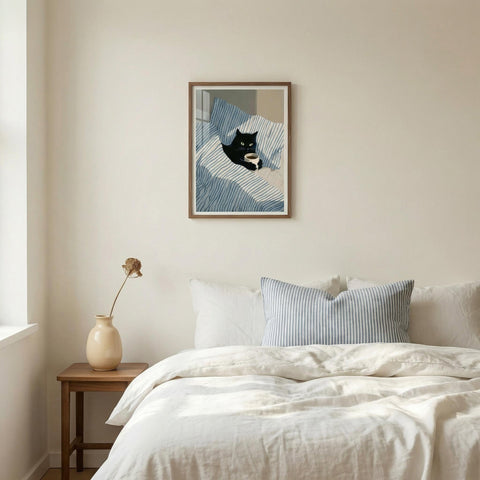
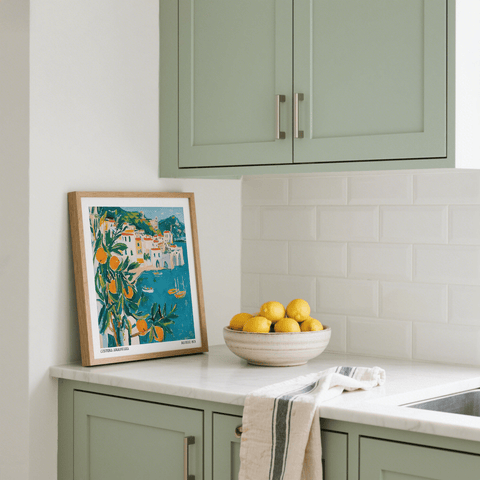
    Le stampe d'arte contemporanea riguardano ciò che accade ora—o almeno di recente. Queste stampe riflettono la cultura visiva attuale e possono includere pennellate espressive, forme organiche, texture stratificate o sfumature di colore. Le stampe d'arte contemporanea tendono a evolversi con le tendenze e offrono maggiore fluidità nella forma. Funzionano bene in interni che tendono all'eclettico, creativo o dai toni morbidi. Se cerchi qualcosa di audace, colorato o emotivamente espressivo, la nostra collezione di stampe d'arte contemporanea è un ottimo punto di partenza.

    Come scegliere tra stili moderno e contemporaneo

    Considera il tuo spazio: è strutturato, neutro e minimalista—o stratificato, colorato e in evoluzione? Se ti piacciono la simmetria, le palette monocromatiche o i materiali industriali, le stampe d'arte moderna potrebbero fare al caso tuo. Se preferisci toni emotivi, forme naturali o design fluidi, opta per il contemporaneo. Puoi anche mescolare entrambi gli stili—basta mantenere coerenti cornici, toni di colore o layout per l'armonia.

    Differenze chiave a colpo d'occhio

    • Stampe d'Arte Moderna: geometriche, pulite, strutturate, minimaliste
    • Stampe d'Arte Contemporanea: espressive, astratte, fluide, guidate dalle tendenze
    • Moderno: radicato nei movimenti di design del XX secolo
    • Contemporaneo: riflette la cultura attuale e i cambiamenti artistici

    Esplora entrambe le collezioni

    Che tu sia attratto dal modernismo strutturato o dai pezzi espressivi contemporanei, abbiamo collezioni curate per abbinarsi al tuo stile. Visita le nostre collezioni di stampe d'arte moderna e stampe d'arte contemporanea per vedere il contrasto e trovare l'arte giusta per le tue pareti.

    Modern mid century poster with geometric design Bauhaus Essenza
    From £16 £20
    Bauhaus Essenza

    Le nostre raccomandazioni

    Yayoi Kusama print featuring an abstract mountain landscape Picchi Puntinati
    From £16 £20
    Picchi Puntinati
    Yayoi Kusama Black Cats poster with vibrant polka dot patterns Gatti Neri Kusama
    From £16 £20
    Gatti Neri Kusama
    Black Cats Poster modern wall art 3 Gatti Neri
    From £16 £20
    3 Gatti Neri
    Print Yayoi Kusama featuring rust blooms and plum floral accents on matte paper Fioritura Terrosa
    From £16 £20
    Fioritura Terrosa
    Yayoi Kusama Art colorful jellyfish poster Sinfonia di meduse
    From £16 £20
    Sinfonia di meduse
    Nature wall poster with dotted yellow florals and green leaves Punti Verdissimi
    From £16 £20
    Punti Verdissimi
    Yayoi Kusama Paintings golden rolling hills art print Colline Dorate
    From £16 £20
    Colline Dorate
    Japandi wall art featuring elegant cranes in flight Gru in volo
    From £16 £20
    Gru in volo
    Kusama Art abstract branch print with modern design Rami Luminosi
    From £16 £20
    Rami Luminosi
    Black cat poster art featuring Yayoi Kusama-inspired design Famiglia Felina
    From £16 £20
    Famiglia Felina
    Poster Yayoi Kusama inspired with earthy floral forms and dotted patterns Giardino Earth Dot
    From £16 £20
    Giardino Earth Dot

    Frequently Asked Questions

    The History of Modern vs. Contemporary Art Prints

    Modern and contemporary art prints have distinct historical origins that continue to influence their aesthetic characteristics today.

    Modern Art Prints: A Historical Perspective
    Modern art prints emerged from the revolutionary art movements of the early to mid-20th century. Beginning around 1900 with Post-Impressionism and extending through the 1950s, modernism represented a radical break from traditional artistic values. The Bauhaus movement (1919-1933) was particularly influential, promoting functional design, geometric abstraction, and a harmony between art and industry. Artists like Wassily Kandinsky and Paul Klee pioneered abstract compositions that emphasized form, color, and line over representational content. By the 1940s and 50s, Abstract Expressionism with figures like Jackson Pollock and Mark Rothko further pushed boundaries, creating works characterized by emotional intensity and spontaneous creation. Modern art prints from this era often exhibit bold experimentation, clean lines, and a conscious rejection of classical traditions.

    Contemporary Art Prints: Evolution and Context
    Contemporary art prints, by contrast, emerged in the post-1960s era and continue to evolve today. They developed in response to modernism, often challenging its established principles. The Pop Art movement of the 1960s, led by artists like Andy Warhol and Roy Lichtenstein, embraced popular culture and mass production techniques, blurring the line between commercial and fine art. In the decades that followed, contemporary printmaking diversified enormously, incorporating digital technologies, mixed media approaches, and global influences. Unlike the more cohesive modern movement, contemporary art embraces pluralism, with artists freely borrowing from various traditions and frequently addressing social, political, and cultural issues of our time. Contemporary prints tend to be more diverse in their techniques and subject matter, reflecting our increasingly interconnected world.

    Technological Developments in Printmaking
    The evolution of printmaking technology has significantly influenced both movements. Modern prints typically utilized traditional techniques like lithography, woodcut, and screen printing, with an emphasis on craftsmanship and limited editions. Contemporary printmaking has expanded to include digital printing, allowing for previously impossible effects and democratizing access to art production. This technological shift has enabled contemporary artists to experiment with photographic manipulation, layering, and vibrant color palettes that were unavailable to their modern predecessors.

    Collecting and Appreciating Print History
    Understanding the historical context of modern and contemporary prints enhances their appreciation. Modern prints often represent pivotal moments in art history, while contemporary works reflect our current cultural landscape. Whether you're drawn to the revolutionary spirit of modernism or the dynamic diversity of contemporary art, both traditions offer rich visual experiences that continue to resonate with collectors and art enthusiasts alike.

    Leggi di più