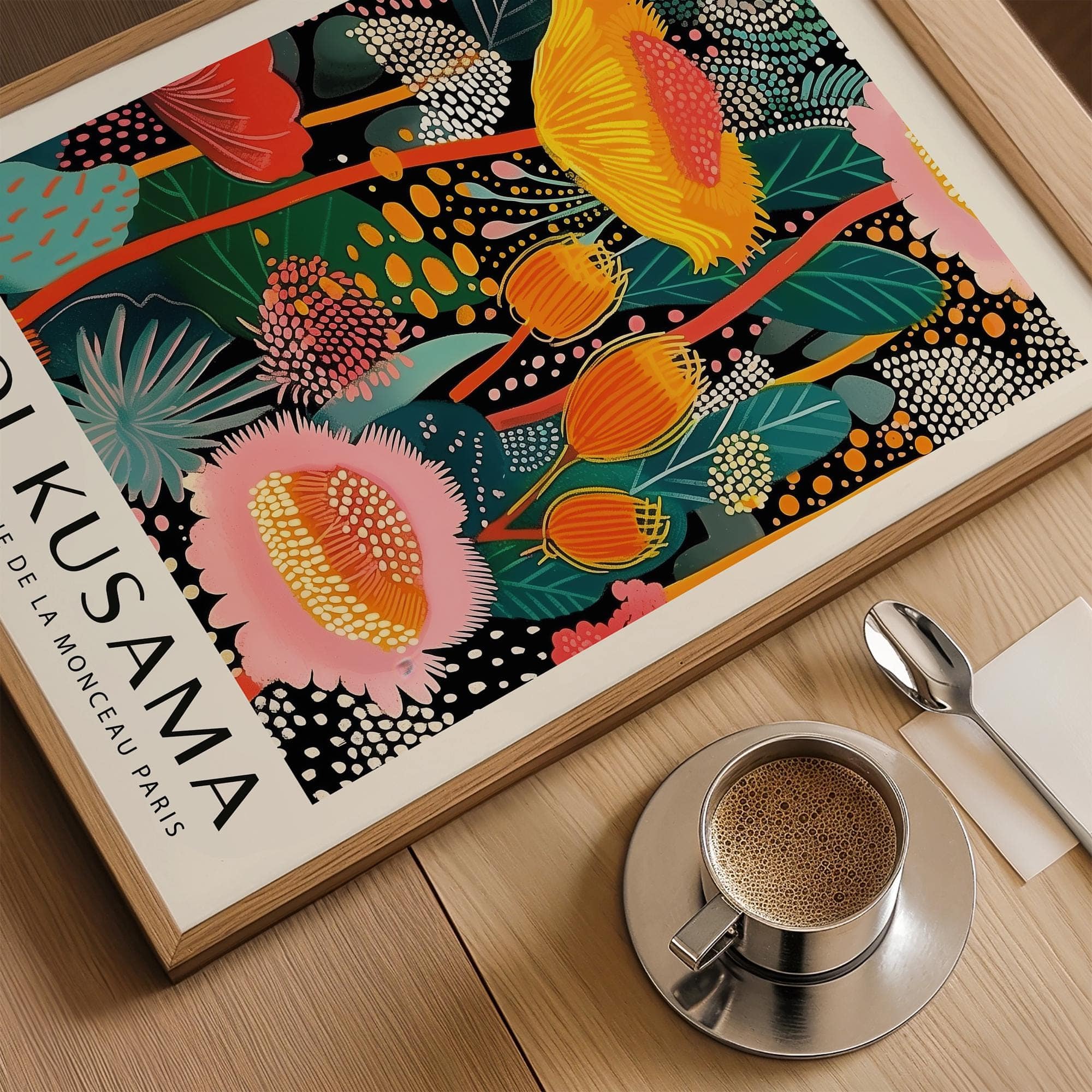
The term "famous artist from japan" conjures images both historic and contemporary, reflecting a nation whose creative legacy spans centuries. Japanese culture, shaped by spiritual philosophies, social change, and technological evolution, offers the world a vibrant tapestry of artistic movements. From ancient ink paintings and traditional ukiyo-e masterpieces to avant-garde installations and pop-art phenomena, Japan's artists have left an indelible mark on global aesthetics. In this comprehensive guide, we explore the lives, innovations, and legacies of Japanese artists, offering a journey through the history, techniques, and philosophies that have made Japanese art so influential in the world.
Famous Artist From Japan
Throughout history, many a famous artist from japan has taken center stage in the world of art. Names such as Katsushika Hokusai, Yayoi Kusama, Takashi Murakami, and Osamu Tezuka—the father of manga and a pioneering manga artist—shine brightly, each contributing in unique ways to the tradition of japanese art. Their careers are marked by significant milestones, retrospectives, and achievements that have left a lasting impact on the art world. Their contributions are enduring, spanning painting, sculpture, installation, printmaking, and manga. By blending cultural heritage with innovation, these figures have not only shaped the domestic art scene but have also greatly influenced art on a global scale.
Hokusai, the renowned ukiyo-e painter and printmaker of the late Edo period, produced approximately 34,000 pieces of art throughout his lifetime and is best known for his iconic work The Great Wave off Kanagawa. In juxtaposition, Yayoi Kusama’s immersive installations, embodying polka dots and mirrored rooms, represent modern explorations of infinity and identity. Takashi Murakami has redefined contemporary art by fusing japanese painting traditions with western styles, pop culture, and digital aesthetics. Utagawa Hiroshige, recognized as a master of ukiyo-e, is famous for his series The Fifty-Three Stations of the Tokaido, which helped define an era of Japanese art focused on artistic impressions of famous views. Each famous artist from japan offers a unique window into the fusion of tradition and innovation that characterizes Japanese art evolution.
Japanese Artists
Japanese artists derive inspiration from a deeply rooted cultural and historical context, often engaging with concepts from Zen Buddhism, Shinto, and folklore. From ancient calligraphers and ink painters to modern manga artists, photographers, and other visual creators, their work reflects both meticulous skill and creative freedom. Artists such as Utagawa Hiroshige and Tawaraya Sotatsu, great masters of ukiyo-e and traditional ukiyo e art, have greatly influenced both their peers and successors. In ukiyo-e and related genres, artists skillfully depicted scenes of everyday life, nature, and cultural moments, using these visual narratives to reflect Japanese history, traditions, and contemporary expressions.
The Gutai Group of the 20th century, an avant-garde collective of Japanese artists formed after World War II, broke new ground through performance, body art, and experimental material use. They emphasized the use of the body in art-making, influencing both Eastern and Western art practices by pushing the boundaries of traditional artistic expression. Members like Kazuo Shiraga, who painted with his feet while suspended from ropes, fused painting with performative elements, creating a unique approach that merged art with physical performance. The emergence of contemporary Japanese artists such as Chiho Aoshima, Chiharu Shiota, and Mariko Mori reflects an ongoing dialogue between past and present, nature and technology, spirituality and materiality.
Importantly, Japanese artists have influenced global art through distinct styles, from traditional ukiyo-e prints to contemporary "Superflat" pop art, continuing to inspire European artists and other international creators, and ensuring that Japanese art remains a vital force in world culture.
Japanese Art
Japanese art encompasses a broad spectrum of styles, media, and philosophies. Rooted in reverence for nature and the impermanence of life, it has always reflected a harmonious balance between form, function, and spirituality. From early religious iconography and ink painting to elaborate screen paintings and contemporary installations, Japanese art has persisted as both an aesthetic and intellectual pursuit.
A distinguishing feature is the meticulous use of natural materials: mineral pigments, precious metals, wood, and delicate washi paper in Nihonga. Nihonga is a traditional Japanese painting technique that utilizes mineral pigments, ink, and washi (Japanese paper) or silk, and is characterized by its emphasis on soft, blurred images. Sumi-e, or ink wash painting, combines calligraphy and painting, producing compositions that reflect the spiritual basis of Zen Buddhism, emphasizing simplicity and the beauty of nature. Intricate woodblock prints in ukiyo-e and the tarashikomi technique, used by artists like Tawaraya Sotatsu, involve applying new layers of paint before the previous layer has dried, creating a sense of movement and uncertainty in the artwork. The influence of China is evident in early styles, while interactions with France and other Western countries during the Meiji era led to a synthesis of approaches and styles. Japanese painting techniques, such as Nihonga, have evolved over centuries, integrating influences from Chinese art and later Western styles, showcasing a unique synthesis that has contributed to the global art landscape.
In museums and curated spaces, the collection of Japanese artworks often highlights this diversity, assembling pieces that span centuries and styles. In the 20th century, movements like shin-hanga revitalized traditional ukiyo-e techniques, with artists such as Hiroshi Yoshida and Kawase Hasui depicting Japanese landscapes and seasonal scenery.
Today, Japanese art continues to evolve, responding to global movements and new technologies, as seen in the digital installations of Mariko Mori and the Superflat paintings of Takashi Murakami, while contemporary Yayoi Kusama dot wave prints translate avant-garde ideas into accessible wall art. The combination of ancient techniques with contemporary art concepts defines the dynamism and enduring appeal of Japanese creativity.
Japanese Painting
Japanese painting spans a continuum from ancient traditions to innovative contemporary expressions. Nihonga, an enduring style, relies on mineral-based pigments and native materials to evoke gentle, dreamlike landscapes, while yōga refers to works influenced by Western oil painting.
Significant Japanese painters such as Tawaraya Sotatsu pioneered tarashikomi, a technique where fresh layers of paint bleed together to create a sense of spontaneity and movement. Ink wash painting, or sumi-e, is prized for its ability to convey atmosphere and feeling with minimal lines and brushwork, capturing the spirit rather than the detail of a scene. The depiction of women is a central theme in Japanese painting, especially in ukiyo-e and bijinga genres, where artists created iconic pictures that celebrate feminine beauty and cultural ideals.
Modern painters like Tsuguharu Foujita blended Asian and European styles, bringing Japanese art to new international audiences. Tsuguharu Foujita, who moved to Paris in 1913, significantly influenced global appreciation for Japanese art by merging Eastern and Western techniques in works such as his famous picture Reclining Nude with Toile de Jouy. His time in france resulted in innovative paintings that resonated with both audiences, epitomizing the ongoing dialogue between Japan and the wider world. In essence, Japanese painting embodies experimentation, sensitivity to nature, and profound spiritual underpinnings.
Yayoi Kusama
Yayoi Kusama, one of the most iconic contemporary artists to emerge from Japan, is celebrated worldwide for her signature polka dots, Infinity Mirrored Room installations, vibrant sculptures, and avant-garde film collaborations. Born in 1929, Kusama’s lifelong artistic journey began during a tumultuous childhood in rural Japan, where art served as her refuge. After moving to New York, Kusama became deeply involved in the avant-garde scene, exhibiting alongside influential artists like Donald Judd and Andy Warhol, and drawing inspiration from the city's dynamic art world. Kusama’s fascination with self-obliteration—a loss of personal identity within her art—drives her exploration of infinity and repetition.
Her immersive Infinity Mirror Rooms, first created in the 1960s, invite viewers into dreamlike spaces of endless reflections and light, mirroring the sense of rhythm and movement found in Yayoi Kusama prints with structured repetition. These installations—composed of mirrored surfaces, LED lights, and intricate arrangements—cover walls and ceilings to create environments that give viewers the sensation of being in an infinite space, reflecting her themes of infinity and self-obliteration. Kusama’s signature polka dots, first observed in hallucinations during her youth, now cover everything from canvas and sculpture to phallis field installations, fashion collaborations, and collectible Yayoi Kusama abstract landscape prints.
Kusama’s Pumpkin series, with its bright yellow forms and polka dots, references both Japanese folklore and modern art, delighting audiences worldwide; its bold, repetitive patterns are echoed in many Yayoi Kusama art prints that bring her aesthetic into everyday spaces. Her struggles with mental health are integral to her practice; she has openly discussed using art as a means to cope with her psychological challenges, transforming them into creative energy. Recognized through numerous exhibitions, collections, and retrospectives, Yayoi Kusama continues to expand the meaning of contemporary art, reflecting the enduring power of Japanese visionaries.
Ink Painting
Ink painting holds a unique place in Japanese art history, bridging the gap between artistic calligraphy, buddhist philosophy, and landscape painting. Known as sumi-e, this technique arrived in Japan from China during the 14th century and flourished during the Muromachi and Edo periods. Emphasizing monochrome simplicity, sumi-e captures the fleeting essence of nature-rivers, mountains, flowers-using gradations of black ink on paper.
True mastery in ink painting lies not merely in technical prowess, but in the ability to capture the life and spirit of the subject. Artists such as Sesshū Tōyō and Josetsu exemplified this tradition through evocative landscapes and perfectly balanced compositions. Sumi-e continues to influence both traditional and contemporary art, inspiring painters and calligraphers to connect spirit, brush, and paper.
Takashi Murakami
Takashi Murakami stands firmly as a famous artist from japan, celebrated for his vibrant pop art style and stewardship of the Superflat movement. Born in 1962 in Tokyo, Murakami bridges traditional and modern, east and west, merging motifs from historical Japanese art with those of contemporary fashion, gaming, and comics. His works teem with playful colors, stylized flowers, and exaggerated, cartoon-like figures.
As a co founder of the Superflat movement, Murakami challenges conventional painting by collapsing distinctions between high art and commercial culture. His collaborations with global brands and musicians, as well as highly sought-after exhibitions, have propelled Japanese contemporary art to international recognition. Inspired by manga, anime, and traditional painting, Takashi Murakami continues to redefine what it means to be an artist in the digital era.
Great Wave
The Great Wave off Kanagawa, created by Katsushika Hokusai, remains one of the most recognizable images in the world and continues to inspire contemporary reinterpretations, including abstract Fuji landscape prints that echo its dramatic sense of motion. Part of Hokusai's Thirty-Six Views of Mount Fuji, this woodblock print typifies the ukiyo-e tradition, capturing the power and beauty of nature with elegance and technical virtuosity. Produced during the late Edo period, it exemplifies the genius of Japanese painting while foreshadowing larger cultural exchanges to come.
The Great Wave's dynamic lines, bold use of color, and masterful composition have inspired countless artists, from Impressionists in France to modern artists globally, and continue to resonate in contemporary Kusama-style landscape prints that reinterpret Japanese motifs for today’s interiors. Its enduring appeal lies in its vivid depiction of landscapes and mastery of the woodblock prints technique, reflecting both the grandeur of nature and human ingenuity.
Sumi E
Sumi e, or ink painting, emphasizes direct, expressive brushwork and a meditative approach, qualities that also inform many contemporary Japanese artwork prints and posters designed for modern interiors. As an integral component of Japanese culture, it expresses ideas of impermanence and harmony with nature. Practitioners study painting to convey not only visual likeness but also the spirit and life force within their subjects. The interplay between positive and negative space creates compositions that remain influential in many contemporary art forms.
Modern artists, photographers, and even architects reference sumi e principles, finding inspiration in its focus on minimalism and balance.
Ukiyo E
Ukiyo e, or “pictures of the floating world,” flourished from the 17th to 19th centuries during the Edo period. Artists such as Utagawa Hiroshige and Hokusai created masterpieces that depicted everyday life, celebrities, events, landscapes, and natural beauty. These woodblock prints not only democratized art—making it accessible beyond the elite—but also helped shape Japanese culture and identity.
Influences from ukiyo e reverberated far beyond Japan, captivating European artists like Vincent van Gogh and inspiring the Japonism movement in France, and this legacy can be seen in modern abstract Mount Fuji Kusama-inspired prints that blend tradition with contemporary design. Today, ukiyo e remains a vibrant source of inspiration, continuing to inform contemporary painting, illustration, and even fashion design. To truly appreciate the beauty and detail of ukiyo-e, consider planning a visit to exhibitions or museum websites where you can experience these iconic works firsthand.
Preservation and Promotion of Japanese Art
The preservation and promotion of Japanese art are essential for ensuring that the country’s unique creative legacy continues to inspire and evolve. Japanese artists, from the great masters of traditional ukiyo-e art to contemporary visionaries like Yayoi Kusama and Takashi Murakami, have shaped not only Japan’s cultural identity but also the global art landscape. Preserving techniques such as woodblock prints and ink painting safeguards the intricate skills and philosophies that define Japanese painting and drawing, allowing future generations to study and appreciate these timeless forms.
Efforts to maintain traditional ukiyo-e art are visible in the careful restoration of historic prints and the continued practice of age-old methods by dedicated artisans. At the same time, the promotion of contemporary Japanese art—including the dynamic worlds of manga, anime, and avant-garde installations—demonstrates the nation’s commitment to creative freedom and innovation. Artists like Kusama and Murakami, whose works blend tradition with bold new styles, exemplify how Japanese art remains both rooted in history and open to global influences.
Galleries, museums, and cultural institutions play a pivotal role in this process, offering platforms for exhibitions, workshops, and collaborations that bridge the past and present. By supporting these spaces and celebrating the achievements of Japanese artists, we help ensure that the spirit of Japanese art—whether expressed through ukiyo-e prints, ink painting, or cutting-edge contemporary works—continues to thrive and captivate audiences around the world.
The Role of Museums in Japanese Art
Museums are at the heart of preserving, interpreting, and celebrating Japanese art, serving as vital links between artists, history, and the public. Institutions such as the Tokyo National Museum house extensive collections that span centuries, from exquisite ukiyo-e woodblock prints and delicate sumi-e ink paintings to the bold, contemporary creations of artists like Yayoi Kusama and Takashi Murakami. These collections not only showcase the technical mastery and creative freedom of Japanese artists but also highlight the evolution of Japanese culture through art.
Exhibitions in museums provide immersive experiences, allowing visitors to encounter iconic motifs such as Kusama’s polka dots or Murakami’s vibrant pop-inspired works in person, while collectors often bring these aesthetics home through vibrant Yayoi Kusama posters. The innovative use of space—seen in installations like Kusama’s Infinity Mirrored Room—demonstrates how museums encourage experimentation and new interpretations of traditional forms. By curating both historical and recent work, museums foster a dialogue between the past and present, helping audiences appreciate the enduring relevance of Japanese painting, prints, and sculpture.
Beyond exhibitions, museums in Japan and abroad promote Japanese art through educational programs, artist talks, and international collaborations. These initiatives deepen understanding of Japanese culture, encourage new generations to engage with art, and solidify Japan’s reputation as a leader in the global art community. Whether displaying centuries-old ukiyo-e prints or the latest innovations in anime and contemporary art, museums ensure that the legacy and future of Japanese art remain vibrant and accessible to all.
Conclusion
Across centuries, the story of every famous artist from japan testifies to the remarkable synthesis of tradition, innovation, and personal vision. From the transcendent simplicity of sumi e landscapes to the groundbreaking installations of Yayoi Kusama's Infinity Mirrored Room, Japanese art has continuously inspired and fascinated people in Japan and throughout the world. The achievements of Katsushika Hokusai, Takashi Murakami, and many others underscore how Japanese artists bridge cultural boundaries, introducing timeless concepts of beauty and creativity to new audiences.
Whether deeply anchored in the nature-inspired practices of ink painting, the vibrant play of color and light in woodblock prints, or the bold experimentation of contemporary art, Japanese creativity continues to greatly influence global artistic practices. By embracing both the old and the new, through study painting, fashion, sculpture, photography, and digital innovation, these artists maintain Japan’s role as a leader in the world of art, leaving an unparalleled legacy for future generations.