Introduction
Selecting the best artwork for kitchen spaces requires balancing durability with aesthetic appeal, since this high-traffic room faces moisture, grease, and temperature fluctuations that can damage unsuitable pieces. Kitchen wall art must withstand daily cooking activities while enhancing the visual interest of your cooking space.
This guide covers art selection criteria, placement strategies, and style considerations specifically for kitchen environments. Whether you’re renovating a modern kitchen or refreshing an existing space, you’ll find practical guidance for transforming bare walls into curated displays that complement your countertops, cabinets, and overall kitchen decor. The content addresses homeowners seeking to add personality and charm to their cooking areas without sacrificing functionality.
Direct answer: The best kitchen artwork combines moisture-resistant materials (acrylic prints, sealed canvas, or glass-protected pieces) with themes that complement cooking spaces-food illustrations, botanical prints, or abstract designs in colors that harmonize with your existing palette.
By the end of this guide, you’ll understand:
Essential material requirements for kitchen-appropriate art
How to match artwork themes with your kitchen’s functional purpose
Selection criteria for different kitchen styles and layouts
Optimal placement strategies to create focal points
Solutions for common challenges like heat damage and color coordination
Understanding Kitchen Art Fundamentals
Kitchen wall decor differs fundamentally from artwork in other rooms because the cooking environment creates unique demands. Successful kitchen art selection balances three factors: material durability against humidity and grease, easy cleaning without surface damage, and themes that enhance rather than clash with food preparation activities.
For homeowners wanting both functional and aesthetic kitchen spaces, understanding these fundamentals prevents costly mistakes-like hanging an unprotected canvas print near the stove only to watch it warp within months.
Material Considerations
Canvas prints offer warm, traditional appeal but require protective coatings or placement away from direct steam exposure to prevent moisture absorption and eventual bubbling. Standard canvas degrades within 6-12 months under cooking vapors without proper sealing.
If a print hangs near the sink or hob, frame it behind glass or acrylic glazing. The glazing keeps steam and splashes off the paper, and it wipes clean in seconds.
UV-protective glass also slows fading from strong light and is easy to wipe down, a practical advantage when grease settles on surfaces around the kitchen.
Theme Appropriateness
Kitchen art can include various themes, such as food-related motifs and whimsical designs. Art featuring food themes and still-life compositions is perfect for kitchens. Food-themed art refers to artwork that depicts ingredients, meals, beverages, or culinary tools-such as stylish cutting boards, botanical herb prints, vintage food advertisements, and colorful abstract paintings. Culinary art, in this context, encompasses both realistic and stylized representations of food, drink, and kitchen scenes, as well as still-life compositions that add charm and warmth to the space.
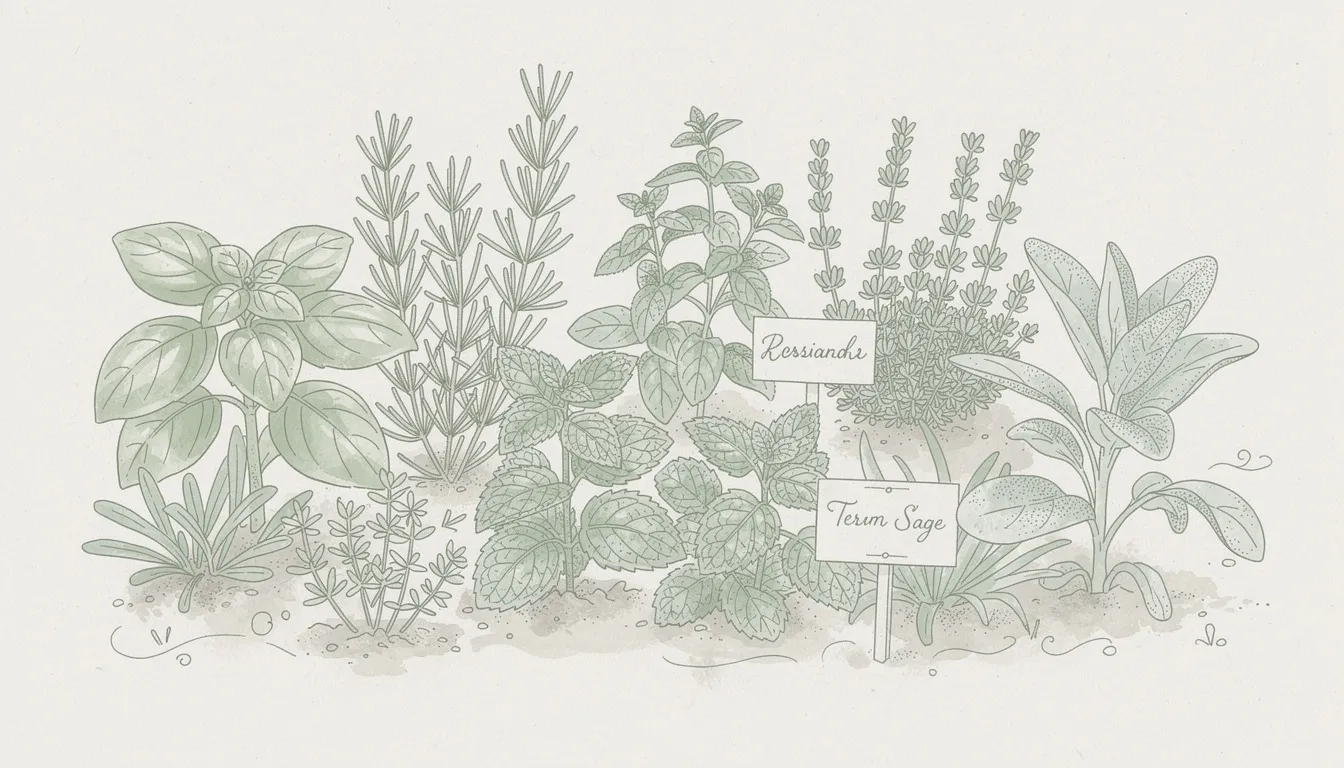
Food-themed art, botanical prints, and abstract designs create natural harmony with cooking spaces, reinforcing the room’s purpose while adding visual interest. Herb illustrations near a cooking area feel cohesive; abstract geometric patterns provide modern energy without competing with the functional elements.
The relationship between art themes and kitchen functionality extends to color psychology. Soft, earthy tones like sage green help a small kitchen feel calm and uncluttered, while bright, high-contrast botanicals add energy, a useful balance when the dining area shares the kitchen space.
This foundation in materials and themes leads naturally to exploring specific style categories that work in kitchen environments.
Kitchen Art Style Categories
With material requirements and thematic considerations established, exploring specific style options helps narrow choices to pieces that match your kitchen’s personality and complement existing decor elements.
Scale matters when selecting kitchen artwork; smaller, curated pieces work best in limited spaces. Kitchen art can be available in various sizes to fit different spaces and layouts, from small prints to large pieces. Even small kitchen spaces can benefit from art, as well-placed pieces can enhance the decor without creating clutter.
Vintage and Culinary Art
Vintage recipe prints evoke nostalgia and charm, particularly effective in farmhouse or traditional kitchens where they tell a story about cooking heritage. Herb and spice illustrations-detailed rosemary sprigs, whole peppercorns, or artisan olive oil bottles-connect directly to the cooking activities happening in the space.
Kitchen art can include various themes, such as food-related motifs and whimsical designs. Art featuring food themes and still-life compositions is perfect for kitchens. Wine and coffee art adds sophistication to kitchen corners designated for morning routines or evening entertaining. These pieces create cozy atmosphere while serving as conversation starters when guests gather in the kitchen area.
Kitchen posters featuring classic French patisserie imagery or Italian market scenes transport viewers, adding sense of place and inspiring culinary adventures.
Modern and Abstract Art
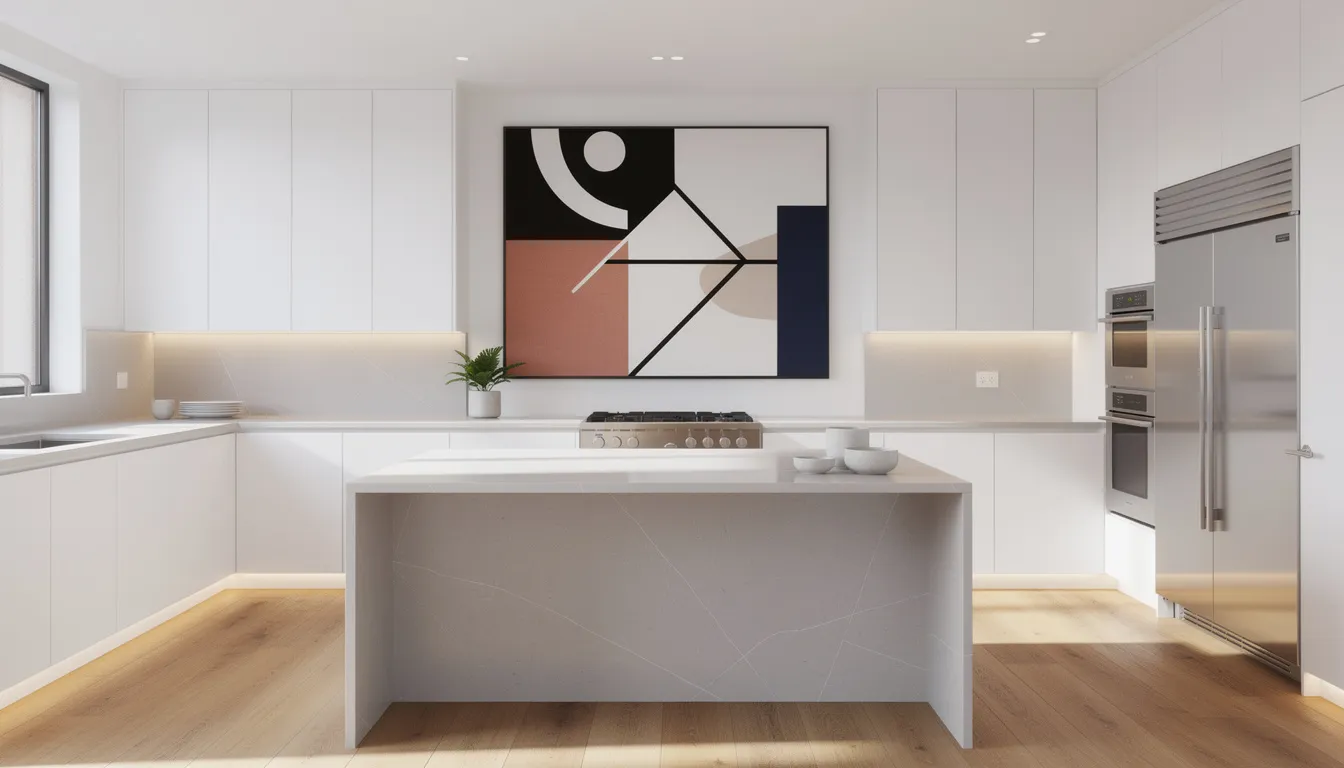
Geometric patterns in bold blue, pink, or warm neutrals inject energy into contemporary modern kitchens without referencing food directly. These abstract designs allow flexibility-artwork that doesn’t clash when kitchen themes evolve or when seasonal decorating changes occur.
Colorful abstracts featuring swirling compositions or color-block designs create focal points on feature walls, particularly effective above dining areas where they draw the eye without overwhelming food presentation. Minimalist designs suit streamlined spaces with flat-panel cabinets and marble countertops.
Botanical and Nature Art
Herb garden illustrations bring organic warmth, connecting indoor cooking spaces to natural growing environments. Fruit illustrations-lemons, figs, pomegranates-add vibrancy and complement kitchens featuring natural materials like wood furniture and stone floors.
Landscape photography offers fresh perspectives, transporting viewers beyond kitchen walls while maintaining visual harmony with nature-inspired decor themes.
Different styles serve different kitchen aesthetics: culinary art reinforces traditional cooking focus, abstracts energize modern spaces, and botanicals create organic tranquility. Understanding these distinctions streamlines the practical selection process.
Kitchen Art Selection Process
Moving from style categories to practical choosing methods requires systematic evaluation of your specific kitchen characteristics and personal style preferences.
Step-by-Step Selection Method
This systematic approach works best when planning significant kitchen wall transformations or when coordinating multiple pieces for a gallery wall display.
Assess kitchen color palette - Photograph cabinets, countertops, backsplashes, and existing furniture to identify dominant and accent colors that artwork should complement or thoughtfully contrast
Measure available wall space - Document exact dimensions of target walls, accounting for cabinet doors, light switches, and the space between upper cabinets and countertops
Consider lighting conditions - Note natural light sources, overhead fixture placement, and whether artwork will face direct sunlight that accelerates fading
Choose appropriate materials - Select acrylic, sealed canvas, or glass-protected options based on proximity to the stove, sink, and primary moisture sources
Select complementary themes - Match artwork mood to kitchen function-energizing pieces for social cooking spaces, calming imagery for breakfast nooks
Art Type Comparison
Criterion |
Canvas Prints |
Acrylic Glass Prints |
Framed Photographs |
|---|---|---|---|
Durability |
Moderate (requires sealing) |
Excellent (withstands 90% humidity) |
Good (depends on frame quality) |
Cost |
$30-150 typical |
$75-300 typical |
$50-200 typical |
Visual Impact |
Warm, textured appearance |
Vibrant, contemporary finish |
Classic, versatile display |
Cleaning |
Gentle dusting only |
Wipe with damp cloth |
Glass cleaner safe |
Heat Resistance |
Low (keep away from stove) |
High (minimal warping) |
Moderate |
Installation |
Standard hanging |
May need reinforced hanging |
Standard hanging |
Canvas prints suit lower-traffic kitchen areas away from direct cooking zones, offering warm aesthetic at accessible price points. Acrylic prints justify higher investment for walls near cooking stations where durability matters most. Framed photographs provide versatility for creating collection displays that evolve over time.
With selection criteria established, addressing common implementation challenges ensures successful outcomes.
Common Kitchen Art Challenges and Solutions
Even well-chosen artwork can disappoint when placement or maintenance issues arise. These common challenges have straightforward solutions.
Moisture and Heat Damage
Solution: Position artwork at least 24 inches from the stove and 18 inches from steam-producing appliances like kettles or instant pots. For unavoidable high-moisture zones, invest in acrylic or glass-protected pieces rated for bathroom use-these withstand kitchen conditions easily. Apply clear acrylic sealant to canvas backs for additional protection in humid climates where unsealed art fades 3x faster.
Size and Scale Proportions
Solution: Artwork should occupy 60-75% of available wall width for single statement pieces. Above a dining table, art should span approximately two-thirds of the table’s width to create balanced proportions. Small pictures on large walls appear lost and diminish visual interest; oversized pieces in compact kitchens overwhelm the space and create claustrophobic atmosphere. Measure twice, order once.
Color Coordination with Kitchen Elements
Solution: Pull accent colors from existing features-a blue undertone in granite countertops, warm brass in cabinet hardware, or pattern elements in existing textiles. Photograph your kitchen in natural light and compare against artwork options digitally before purchasing. Designer tip: artwork doesn’t need to match exactly; complementary colors (opposite on the color wheel) create dynamic interest while maintaining harmony.
These practical solutions prepare you for successful implementation.
Conclusion and Next Steps
The best artwork for kitchen spaces combines moisture-resistant materials with themes that enhance your cooking environment’s function and mood. Whether you prefer food-themed vintage prints that inspire culinary creativity, modern abstracts that energize contemporary spaces, or botanical illustrations that connect your kitchen to nature, selecting appropriate materials ensures longevity while thoughtful placement creates meaningful focal points.
Immediate action steps:
Measure your available kitchen wall spaces this week, noting proximity to heat and moisture sources
Document your current color scheme through photographs to reference when shopping
Identify your preferred style category based on existing kitchen decor and personal taste
Research moisture-resistant options in your target style before committing to purchases
Plan gallery wall layouts using paper templates before hanging to perfect arrangement
Related topics to explore: Coordinating artwork between kitchen and dining room spaces for cohesive flow, seasonal kitchen decor rotation strategies, and budget-friendly kitchen art options including printable digital downloads and thrift store finds that transform with simple reframing.
Additional Resources
Size calculators: Online wall art sizing tools help determine optimal dimensions based on wall measurements and viewing distance from common standing positions
Color coordination guides: Digital color wheel apps allow photograph uploads for instant palette analysis and complementary color suggestions
Recommended retailers: Specialty kitchen art suppliers offer pre-sealed canvas options and acrylic prints specifically engineered for high-humidity environments, eliminating guesswork about material suitability
DIY protection resources: Tutorial guides for applying protective sealants to existing canvas pieces, extending their kitchen life without replacement costs