Introduction
Canvas wall paintings are artworks created on fabric canvas stretched over wooden frames, designed specifically for wall display in homes and offices. This versatile wall art form has become the go-to choice for homeowners seeking to transform their living space with authentic artistic expression.
This guide covers everything you need to know about selecting canvas wall art-from understanding materials and painting styles to proper sizing and room placement strategies. We focus on practical buying and display decisions rather than DIY painting tutorials or art history deep dives. Whether you’re a first-time homeowner, a renter looking to personalize your space, or an interior design enthusiast refining your aesthetic, this content addresses your needs directly.
The quick answer: Canvas wall paintings are ready-to-hang art pieces that instantly elevate room aesthetics while expressing your personal taste and personality. They offer the perfect balance of affordability, durability, and visual impact for any interior.
By the end of this guide, you will:
Understand the differences between canvas materials and how they affect quality
Identify which painting styles suit your home’s design and mood
Master sizing techniques to choose the perfect wall art for any room
Learn professional display practices for maximum visual effect
Solve common challenges buyers face when selecting artwork
Understanding Canvas Wall Paintings
Canvas wall paintings are artistic works created by applying paints directly onto stretched canvas fabric, then mounted on wooden frames for easy wall display. Their popularity in home decor stems from a unique combination of portability, affordability, and the authentic texture that only hand-applied paint can deliver.
For customers seeking versatile wall decoration options that won’t break the budget, canvas art offers something prints and posters simply cannot match-genuine artistic depth and tactile dimension that enhances any space.
Canvas Wall Art and Mood
The mood of your space can be influenced by the artwork you choose. Canvas wall paintings can create a special mood and emphasize the atmosphere of a space, whether you want to foster calm, energy, or inspiration. Choosing wall art should reflect your personal style and taste, helping you express your individuality and set the emotional tone for each room. The right canvas art can fill a room with light, radiate the right emotions, and make your home feel truly yours.
Canvas Materials and Construction
Cotton canvas is the most affordable option, featuring a looser weave that works beautifully for bold, expressive paintings. Artists love cotton for its accessibility, and buyers appreciate its budget-friendly price range.
Linen canvas represents the premium choice, with a tighter weave that holds fine details exceptionally well and resists deterioration over decades. If you’re investing in a statement piece for your living room or office, linen offers superior longevity.
Synthetic blend materials combine properties of both, offering durability at moderate prices. The material you choose directly affects texture, paint adhesion, and how long your artwork maintains its original beauty-factors worth considering before you click “add to cart.”
Painting Mediums and Techniques
Acrylic paintings on canvas dry quickly and maintain vibrant colors that resist fading, making them ideal for well-lit rooms where sunlight might affect the artwork. Their matte to semi-gloss finish suits modern interior styles perfectly.
Oil paintings offer unmatched depth and luminosity through slow-drying layers that allow artists to create seamless color transitions and rich glazes. These pieces develop a characteristic warmth over time, though they require more careful placement away from humidity.
Mixed media canvas art incorporates collage, ink, fabric, or three-dimensional elements alongside traditional paint, creating contemporary pieces with unique texture and visual interest. Understanding these mediums helps you discover which type will best match your home’s character.
Now that you understand what makes quality canvas paintings, let’s explore the range of artistic styles available for your walls.
Types and Styles of Canvas Wall Paintings
With foundational knowledge of materials and mediums established, you can confidently navigate the diverse world of canvas art styles. Each category offers distinct aesthetic qualities that create different effects in your home.
Abstract and Modern Canvas Paintings
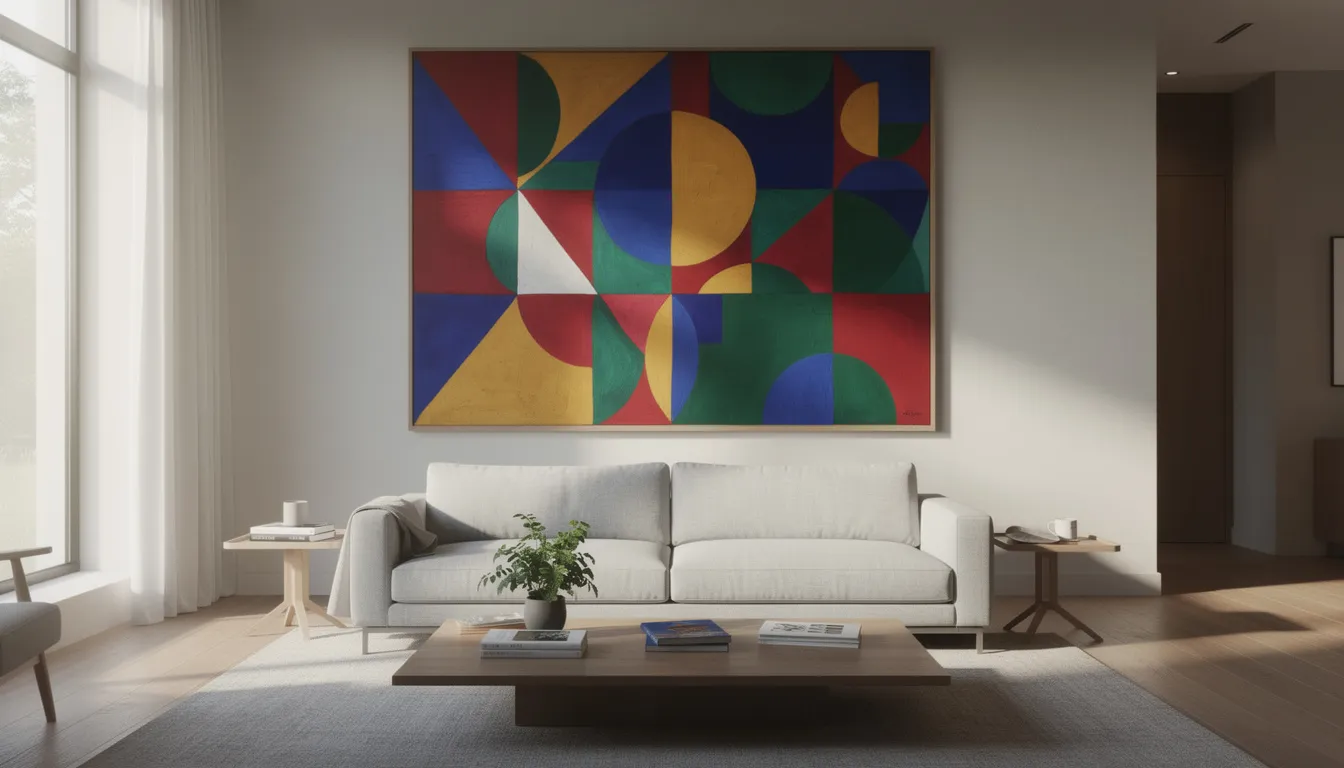
Abstract canvas paintings use geometric patterns, bold color fields, and non-representational forms to create visual impact without depicting recognizable subjects. Abstract art ranges from soft, muted tones to bold and vibrant designs, adding emotion and energy to modern rooms. Minimalist pieces feature clean lines and limited palettes that complement contemporary interiors, while expressionist works deliver emotional energy through dynamic brushstrokes and intense colors.
Minimalist Art: Minimalist art features simple, clean designs like line drawings and geometric shapes, helping to create uncluttered and serene spaces.
Abstract Art: Abstract art ranges from soft, muted tones to bold and vibrant designs, adding emotion and energy to modern rooms.
These art pieces work particularly well in modern homes, offices, and spaces where you want the artwork to spark conversation without competing with other design elements. Many artists working in abstract styles create wall art sets-multiple coordinated panels that spread across larger walls for dramatic gallery effect.
Retro and Vintage Styles
Retro and Vintage Styles: Retro and vintage styles revive '60s pop art and '80s neon styles, bringing whimsical charm to contemporary interiors. These nostalgic designs are perfect for adding a playful or eclectic touch to your space, and they often feature bold colors, graphic patterns, and iconic imagery.
Landscape and Nature Canvas Art
Landscape and nature canvas paintings bring the outdoors inside through mountain scenes, seascapes, forest imagery, and botanical prints. Unlike abstract work, these pieces offer immediate recognition and often evoke specific moods-tranquility from ocean scenes, grandeur from mountain vistas, or freshness from botanical subjects.
Nature-themed canvas wall art appeals to customers who love organic textures and earth-tone color schemes. Stone formations, water features, and seasonal foliage translate beautifully to canvas, adding warmth to bedrooms, living rooms, and spaces where calm atmosphere matters most.
Mixed Media and Textured Art
Mixed Media and Textured Art: Mixed media and textured art incorporate physical materials to add depth and dimension to artwork. These pieces may include collage, fabric, sand, or other materials layered onto the canvas, resulting in a tactile, visually engaging effect.
Textured and Impasto Paintings: Textured and impasto paintings use thick layers of paint or plaster to create 3D effects, adding depth to a room. The raised surfaces catch light and shadow, making the artwork feel dynamic and alive.
Portrait and Figure Canvas Paintings
Portrait and figure canvas paintings focus on human subjects, pets, and character studies that add personality and narrative to your walls. From classical portraiture to contemporary figurative work, these pieces create intimate focal points that viewers connect with emotionally.
Pet portraits have become increasingly popular among customers seeking personalized art, while fashion-inspired figures suit bedrooms and dressing areas perfectly.
Key style takeaways: Abstract art energizes, landscape art calms, and portraiture personalizes. Your choice should match both your taste and the mood you want each room to project.
Understanding these categories prepares you for the practical decisions of selection and placement.
Choosing and Displaying Canvas Wall Paintings
Armed with knowledge of materials and styles, you’re ready to make confident purchasing decisions. The right canvas art transforms a room; the wrong choice creates visual discord. Here’s how to get it absolutely right.
Room-by-Room Selection Process
Different spaces demand different approaches to wall art selection. Follow this process for each room:
Assess your wall space: Measure the available wall area and identify whether you need a single large piece, wall art sets, or a gallery arrangement of smaller paintings.
Consider lighting conditions: Note natural light direction and intensity-north-facing rooms handle vibrant colors well, while sunny south-facing walls may fade certain pigments.
Match your color scheme: Pull accent colors from existing furniture, textiles, or architectural features to find artwork that harmonizes rather than clashes.
Determine focal points: Decide whether the canvas art should anchor the room as the primary focal point or complement existing features like fireplaces or furniture arrangements.
Finalize size requirements: Use the measurements from step one with the guidelines below to order appropriately scaled pieces.
Size and Placement Comparison
Choosing the right size dramatically affects how canvas paintings impact your space:
Factor |
Small (12”x16”) |
Medium (16”x20”) |
Large (24”x36”+) |
|---|---|---|---|
Room Impact |
Subtle accent |
Balanced presence |
Bold statement |
Price Range |
$30-100 |
$80-250 |
$150-500+ |
Ideal Placement |
Gallery walls, bedrooms, hallways |
Above furniture, office spaces |
Living room focal walls, above sofas |
Best For |
Renters, small rooms |
Most standard rooms |
Large walls, open floor plans |
Quantity Needed |
Often 3-5 for effect |
1-3 pieces |
Usually 1 statement piece |
Synthesis: For walls above furniture, choose canvas art that spans roughly two-thirds of the furniture width. A sofa measuring 84 inches suits artwork 50-60 inches wide-whether a single large canvas or a coordinated set. Hang pieces so the center sits at eye level (57-60 inches from floor), adjusting slightly lower for rooms where viewers primarily sit.
Even with perfect planning, challenges arise. Let’s address the most common problems customers encounter.
Common Challenges and Solutions
Mismatched Color Schemes
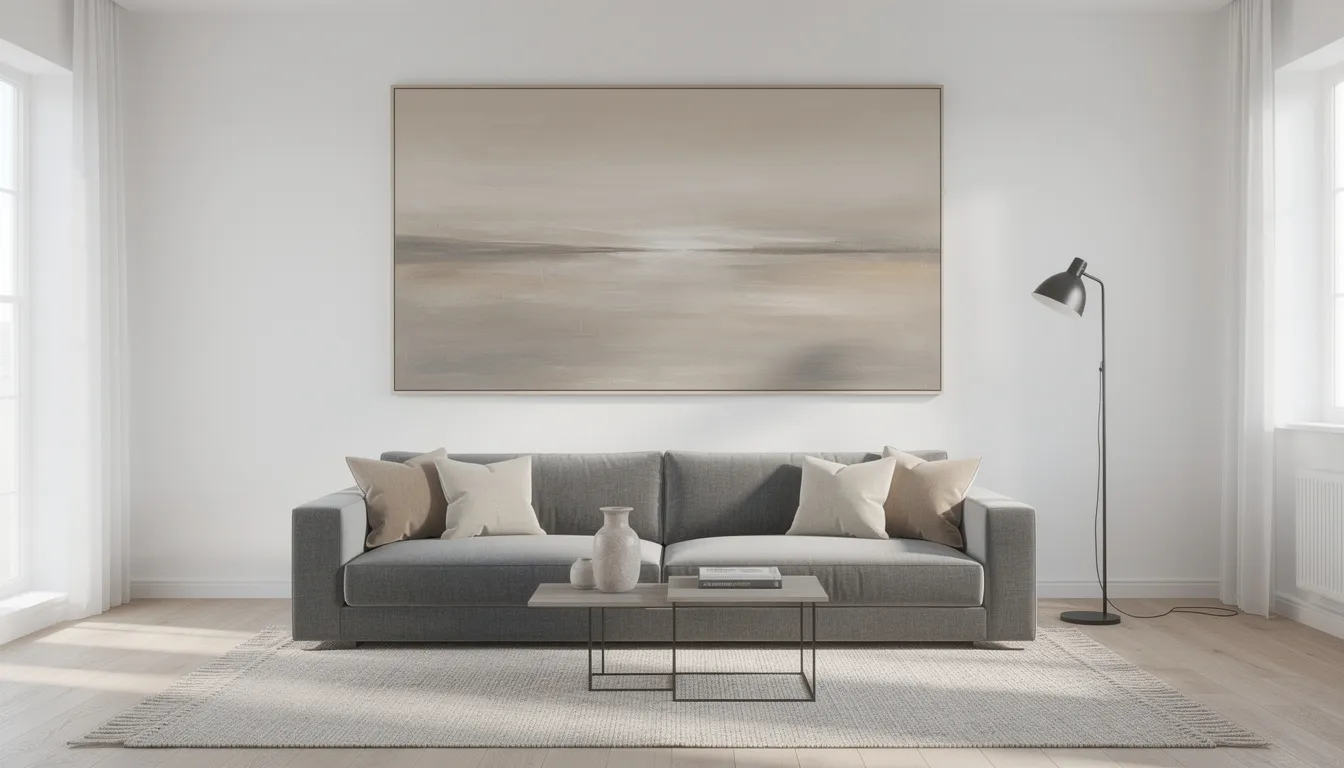
When artwork clashes with your interior, the entire room feels disjointed. Solution: Choose canvas paintings featuring at least one color already present in your room’s palette-even a small accent. Neutral artworks in grays, creams, and earth tones offer easy compatibility, while pieces with one dominant color plus neutrals adapt to future design changes. Before you order, photograph your room and compare it against product images.
Improper Sizing for Wall Space
Undersized art looks lost on large walls; oversized pieces overwhelm small rooms. Solution: Use painter’s tape to outline your intended canvas dimensions directly on the wall before purchasing. Live with this outline for a day to confirm the size feels right. Remember that gallery walls with multiple small pieces require more planning-lay out the arrangement on your floor first, then transfer measurements to the wall.
Poor Lighting and Visibility
Beautiful artwork loses impact in shadowy corners or washed-out glare. Solution: Position canvas paintings where natural light illuminates them indirectly-perpendicular to windows rather than directly opposite. For darker spaces, install picture lights or adjustable track lighting aimed at 30-degree angles to prevent glare while highlighting texture. Glossy oil paintings require more careful lighting consideration than matte acrylics.
With these challenges addressed, you’re ready to bring the perfect wall art home.
Conclusion and Next Steps
Immediate Steps
Canvas wall paintings offer an accessible, impactful way to express personality and enhance your home’s aesthetic. The right piece-chosen with attention to material quality, style compatibility, and proper sizing-transforms blank walls into conversation pieces that elevate your entire living space.
Take these immediate steps:
Measure your target walls and note the available display area.
Identify 2-3 preferred styles from the categories covered (abstract, landscape, portrait).
Set a realistic budget based on the size comparison table.
Browse reputable online retailers or local galleries to discover pieces that match your vision.
Use virtual preview tools to test selections before finalizing your order.
Further Exploration
For continued exploration, consider researching framing options for gallery-style presentation, art care and maintenance practices to protect your investment, and emerging artists whose work you love supporting.
Additional Resources
Size and Placement Tools
Standard wall measurement guides for common furniture pairings
The 57-inch rule for optimal hanging height
Two-thirds proportion guideline for artwork above furniture
Selection Support
Color wheel basics for understanding complementary and analogous schemes
Virtual room preview apps that let you visualize art before purchase
Artist portfolio platforms where you can discover original works in different sizes
Reputable Sources
Online marketplaces specializing in original canvas art and art prints
Local gallery directories for in-person viewing
Artist collective websites offering direct purchases and commissions
Finding the perfect wall art takes patience, but the result-a home that truly reflects your personality-makes the effort absolutely worthwhile.