Introduction
Dope artwork refers to bold, contemporary art pieces that deliver strong visual impact through vibrant colors, striking compositions, and modern aesthetic appeal. This style of art has evolved from street culture and hip-hop influences into a mainstream design movement that transforms ordinary walls into dynamic focal points.
More than just decoration, dope art acts as a statement piece-its visually striking, bold, vibrant, or intentionally chaotic styles blend traditional techniques with modern influences to create artwork that stands out and defines a space. These pieces are designed to capture attention and express individuality, making them a central feature in any room.
This guide covers essential artwork styles, selection criteria, placement strategies, and quality considerations for anyone seeking statement pieces. We exclude vintage posters and mass-market decorative prints, focusing instead on unique contemporary work that elevates interior spaces. Whether you’re a design-conscious buyer, creative professional, or homeowner with passion for visual expression, this content addresses your goals of finding art that matches your personality and space requirements.
Dope artwork encompasses contemporary prints, abstract compositions, graphic art, and bold visual pieces that create commanding focal points in any room. These products range from canvas art stretched over frames to limited-edition prints that reflect personal style and cultural awareness.
By the end of this guide, you will understand:
Key artistic styles that define dope wall art
How to select appropriate pieces for specific spaces
Placement principles that maximize visual impact
Quality assessment techniques to ensure lasting value
Integration strategies for existing decor schemes
Understanding Dope Artwork
Dope artwork refers to visually striking pieces characterized by bold, vibrant, or intentionally chaotic styles that blend traditional techniques with modern influences. Modern "dope art" refers to work that resonates as cool, innovative, and authentic. Dope art acts as a statement piece rather than mere decoration, commanding attention and setting the tone for the entire space.
This style of art resonates with current interior design trends that prioritize personal expression over conventional decoration. For the modern person seeking to transform living spaces, dope art offers a vehicle for showcasing individuality while maintaining sophisticated visual appeal.
Visual Characteristics
Bold color palettes define dope artwork, often featuring high contrast combinations that draw the eye immediately upon entering a room. These pieces leverage saturated hues, unexpected color pairings, and strategic use of black and white to create visual tension and energy.
Strong geometric forms appear frequently alongside abstract elements and graphic design influences. The work often incorporates typography, symbolic imagery, and layered compositions that reward extended viewing. This approach to art connects directly to contemporary movements in digital design, street art, and pop culture aesthetics.
Artistic Styles
Abstract expressionism provides one foundation for dope art, emphasizing emotional impact over representational accuracy. Minimalist design principles also influence many pieces, where negative space creates as much meaning as the marks themselves. Street art influences remain prominent, bringing urban energy and cultural commentary into domestic spaces.
Digital art applications have expanded possibilities dramatically, allowing artists to create hyper-detailed illustrations and bold graphic work suitable for canvas reproduction. These different styles offer varying levels of visual intensity, from calming geometric abstractions to energetic, complex compositions that spark conversation.
Understanding these artistic foundations prepares you to make informed decisions about which pieces will work within your specific rooms and design goals.
Dope Artwork Applications and Placement
Translating artistic appreciation into practical placement requires considering how different spaces serve different functions. The right piece of dope wall art transforms a room’s entire character, but placement determines whether that transformation succeeds.
Living Room Focal Points
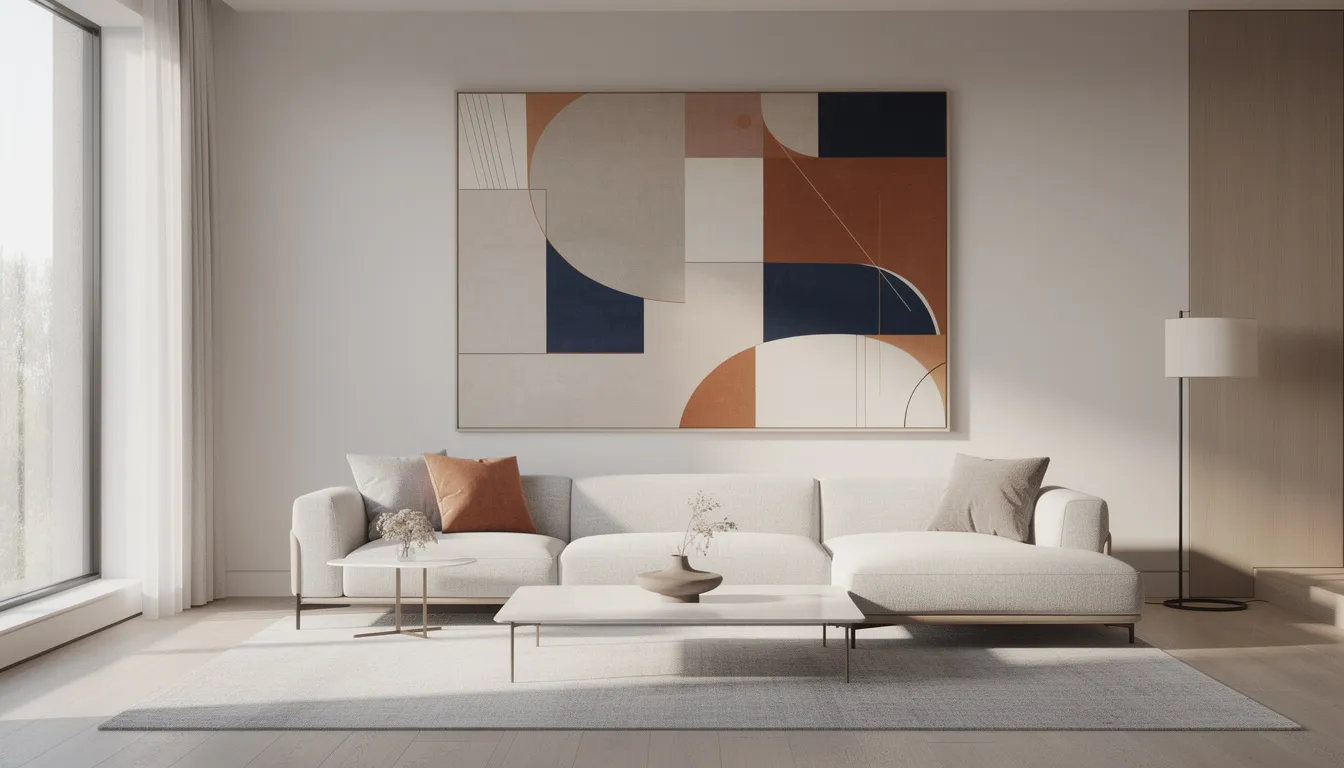
Large-scale canvas art positioned above sofas creates immediate visual anchors in living spaces. These pieces should measure approximately two-thirds the width of the furniture beneath them, establishing proportional harmony. Gallery walls offer alternative approaches, allowing you to hang multiple smaller prints in cohesive arrangements.
Color coordination matters significantly in these high-traffic areas. Pull accent colors from existing furniture, rugs, or decorative elements to find artwork that complements rather than competes. Lighting considerations prove equally important-position pieces where natural or artificial light illuminates them without creating glare.
Office and Studio Spaces
Professional environments benefit from artwork that balances motivational energy with sophisticated appearance. Inspirational pieces featuring bold typography or abstract compositions suggesting forward movement support productive mindsets without appearing juvenile.
Creative professionals often find that surrounding themselves with dope art stimulates ideation and maintains engagement during challenging work. The key lies in selecting pieces that reflect professional identity while demonstrating aesthetic awareness to clients and colleagues who enter the space.
Bedroom and Personal Spaces
Personal retreats call for more considered approaches to bold artwork. While dope art can absolutely enhance bedroom spaces, calmer compositions or smaller accent pieces often prove more conducive to rest and relaxation.
Size considerations become particularly important in intimate spaces. Overwhelming scale can create anxiety rather than aesthetic pleasure. Many customers find that selecting pieces with personal meaning-reflecting individual passion or significant experiences-enhances the emotional value of bedroom art beyond mere decoration.
Room-specific applications demonstrate how versatile dope artwork adapts to different functional requirements while maintaining its essential character.
Selecting and Evaluating Dope Artwork
Making informed artwork choices requires systematic evaluation of both aesthetic and material qualities. The online marketplace offers tremendous variety, but quality varies significantly among products available for purchase.
Quality Assessment Process
Evaluating artwork quality before adding items to your cart prevents disappointment when pieces arrive. Consider these factors when reviewing any potential purchase:
Print quality examination-zoom in on product images to assess detail retention and color gradation; reputable sellers provide high-resolution photographs showing actual print quality
Canvas or paper material assessment-premium canvas features tight, consistent weave patterns, while archival papers offer longevity and color accuracy
Color accuracy and fade resistance-UV-resistant inks and archival materials protect your investment; contact sellers directly if shipping descriptions don’t specify materials
Frame and mounting hardware evaluation-solid construction ensures easy installation and long-term stability when you hang pieces
Artist credentials and authenticity verification-limited edition prints with documentation maintain value; original work from established artists represents investment potential
Style Compatibility Analysis
Different interior design approaches pair naturally with specific artwork characteristics:
Compatible Artwork |
Color Approach |
Scale Preference |
|
|---|---|---|---|
Modern Minimalist |
Geometric abstractions, single-color fields |
Monochromatic with accent |
Large single pieces |
Industrial Loft |
Street art influences, urban photography |
Bold contrast, neutrals |
Varied groupings |
Contemporary Eclectic |
Mixed media, pop art references |
Vibrant, unexpected combinations |
Gallery arrangements |
Scandinavian |
Soft abstractions, nature-inspired |
Muted palette with black accents |
Medium scale |
This comparison helps match your existing decor with artwork that enhances rather than clashes with established aesthetic direction. |
Common Challenges and Solutions
Navigating artwork selection presents predictable obstacles. Addressing these challenges proactively ensures expectations align with results when pieces arrive.
Overwhelming Color Schemes
Bold artwork can dominate spaces uncomfortably when color coordination fails. The solution involves using neutral anchoring elements-white frames, gray walls, or natural wood furniture-to create visual breathing room around vibrant pieces. Consider pulling one secondary color from the artwork into soft furnishings rather than matching the dominant hue.
Incorrect Size Selection
Many customers receive artwork that appears too small or too large for intended locations. Before any purchase, measure wall space precisely and use painter’s tape to mark proposed dimensions. The general rule: artwork should occupy 57-75% of available wall width above furniture. When in doubt, err toward larger-small pieces on expansive walls appear afterthoughts rather than intentional design choices.
Poor Quality Reproductions
Low-quality prints disappoint despite appearing acceptable in online photographs. Protect your money by researching sellers thoroughly, reading customer reviews specifically mentioning print quality, and requesting samples when making significant purchases. If products fail to meet standards, cancel orders where possible or pursue returns-reputable sellers stand behind their work and want customers to love their purchases.
These solutions establish confidence when making final decisions about artwork for your spaces.
Conclusion and Next Steps
Selecting impactful dope artwork for modern spaces combines aesthetic awareness with practical evaluation skills. The journey from understanding artistic styles through placement principles to quality assessment creates a foundation for building meaningful collections that express personality while enhancing living environments.
Take these immediate steps to begin your artwork journey:
Measure wall spaces in rooms you want to enhance, documenting dimensions for future reference
Define your style preferences by saving images that resonate emotionally
Establish quality standards and budget parameters before browsing extensively
Research artists and sellers whose work aligns with your aesthetic vision
Related topics worth exploring include framing options that complement different artwork styles, lighting installations that showcase pieces effectively, and strategies for building cohesive collections over time. Each represents natural extensions of the principles covered here.
The encouragement to invest in dope wall art stems from its transformative power-few design elements deliver equivalent impact relative to cost. Find pieces that speak to you, verify quality meets standards, and trust your instincts. The right art doesn’t just decorate walls; it defines spaces and reflects the unique person who curated them.