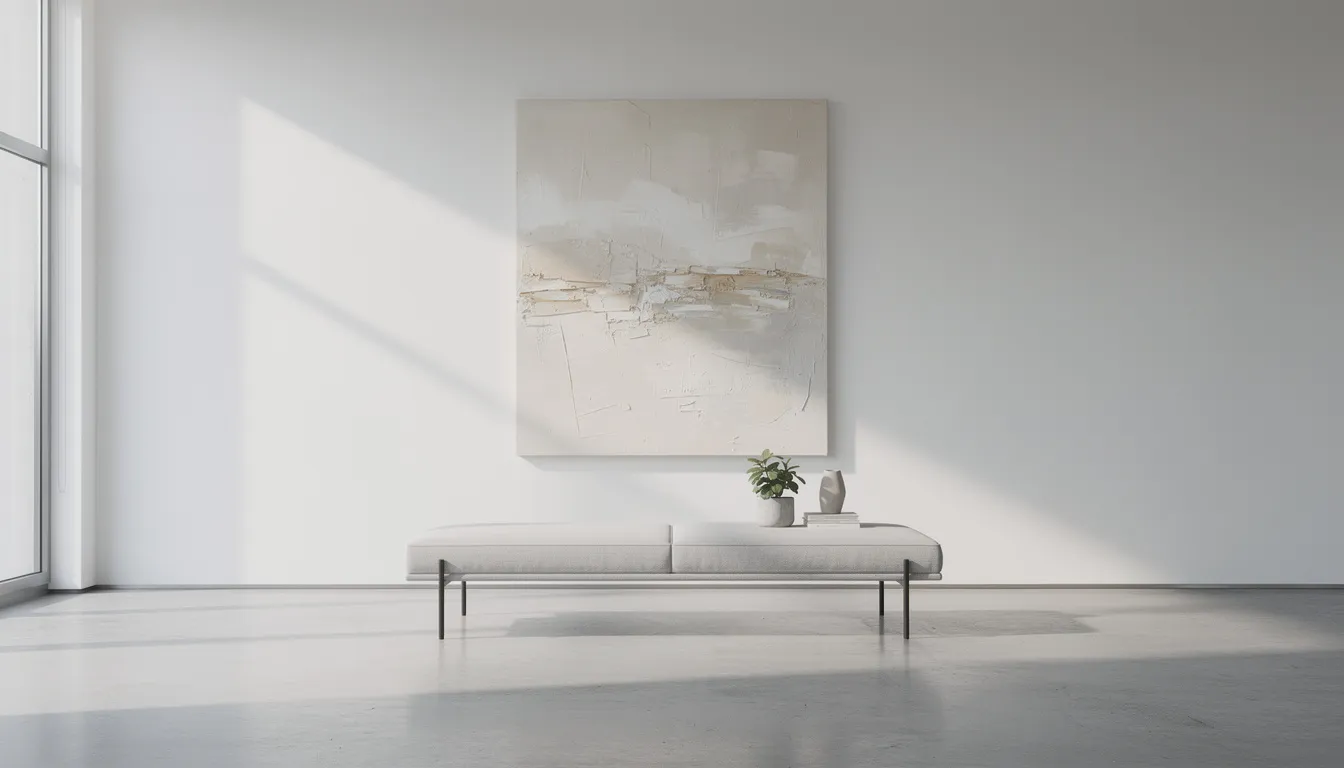
Introduction
Luxury wall art represents the pinnacle of interior decoration-high-quality, thoughtfully designed pieces that transform ordinary rooms into sophisticated living spaces. Unlike mass-produced decor, these artworks combine superior materials, authentic artistry, and refined craftsmanship to create lasting visual impact in modern interiors.
Definition: Luxury wall art refers to exclusive, high-end artwork crafted with exceptional materials and artistry, designed to elevate the ambiance of a room by adding elegance and sophistication. These pieces often serve as focal points, enhancing the overall design and atmosphere, and are intentionally created to evoke a sense of refinement in home decor.
This guide covers everything essential about premium wall art: understanding quality markers that distinguish luxury pieces, material differences that affect longevity and presentation, sizing principles for maximum impact, and placement strategies that elevate your space. We focus on canvas wall art, fine art prints, and contemporary designs while excluding generic reproductions and disposable decor. Whether you’re a design-conscious homeowner building a collection, an interior design enthusiast seeking statement pieces, or a collector investing in timeless beauty, this content addresses your goals directly.
Direct answer: Luxury wall art combines archival-quality materials, expert craftsmanship, and sophisticated design to serve as lasting focal points that elevate modern interiors while maintaining their value and visual appeal for decades.
By the end of this guide, you’ll understand:
Quality markers that separate luxury artwork from standard prints
Material differences between canvas, metal, acrylic, and paper options
Sizing principles that create proper scale and visual harmony
Placement and lighting strategies for optimal presentation
Investment considerations for building a meaningful art collection
Understanding Luxury Wall Art
Luxury wall art distinguishes itself from standard decorative prints through three fundamental qualities: exceptional materials, authentic artistry, and meticulous production standards. Where mass-market wall decor prioritizes affordability and trend-chasing, luxury pieces emphasize longevity, craftsmanship, and emotional resonance-creating refined luxury that enhances sophisticated, well-designed spaces.
Explicit Definition: Luxury wall art is artwork that elevates the ambiance of a room by adding elegance and sophistication. These pieces are often designed to serve as a focal point, enhancing the overall design and atmosphere, and are crafted to evoke a sense of refinement and exclusivity in home decor.
Quality and Materials
Premium wall art begins with superior materials at every production stage. Archival inks resist fading for 75-100+ years, maintaining vibrant colors and stunning detail throughout a lifetime of enjoyment. Museum-quality papers and high quality canvas provide surfaces that capture light organically, adding depth and texture impossible to achieve with standard printing substrates.
Gallery-grade canvas-typically fine-weave cotton or linen-creates a tactile surface that mimics traditional oil paintings. When combined with UV-resistant coatings and precision stretching over kiln-dried stretcher bars, the result is artwork proudly handcrafted to museum standards. This material quality directly affects visual impact: properly prepared canvas reveals brushstroke textures and color gradations that cheaper alternatives simply cannot reproduce.
The connection between materials and luxury extends beyond aesthetics to durability. A giclee print on archival substrate arrives ready to display and remains a captivating piece for generations, functioning as both decoration and investment.
Artistic Value and Authenticity
Original designs carry inherent value that reproductions cannot match. Whether created by established artists or emerging talents, authentic artwork represents unique creative vision translated into physical form. Limited editions-numbered runs of specific images-bridge the gap between original paintings and open-edition prints, offering exclusivity at accessible price points.
Artist collaborations with premium print houses ensure color accuracy and presentation quality meet creative intent. This relationship between artists and production specialists distinguishes luxury wall art from generic prints: each piece features intentional decisions about paper weight, ink density, color calibration, and finishing techniques.
Understanding these foundations prepares you to evaluate specific art categories and make informed selections for your living space.
Current Trends and Notable Artists in Luxury Wall Art
The world of luxury wall art is constantly evolving, with new trends and influential artists shaping the way we decorate modern spaces. Here are some of the most significant developments and names to know:
Curated Platforms: Online destinations like Artfully Walls and 1stDibs have become go-to sources for high-end, luxurious wall art. These platforms offer exclusive prints and original pieces, carefully curated to ensure quality and authenticity for discerning collectors and homeowners.
Oversized, Large-Format Statement Pieces: One of the dominant trends in luxury wall art is the use of oversized, large-format artworks. These dramatic pieces serve as bold focal points, adding instant drama and sophistication to any room.
Tactile and 3D Art: There is a growing appreciation for tactile and three-dimensional art, including works made with woven textiles, sculptural elements, and mixed media. These pieces invite touch and curiosity, creating a multi-sensory experience that goes beyond visual appeal.
'Quiet Luxury' Aesthetic: The "quiet luxury" movement emphasizes understated elegance, high-quality craftsmanship, and muted color schemes. Artworks in this style use subtle textures and refined palettes to create a sense of calm and timeless sophistication.
Natural Materials: Incorporating natural materials such as wood, stone, and organic fibers is increasingly popular in luxury wall art. These elements bring warmth and a grounding connection to nature, aligning with contemporary desires for authenticity and sustainability.
-
Notable Artists:
Paule Marrot: A legendary French textile artist celebrated for her vibrant botanical and nature prints, which remain highly sought after in luxury decor.
Aileen Fitzgerald: An Austin-based contemporary artist known for atmospheric landscapes that emphasize light and mood.
Roman Feral: Recognized for art that incorporates iconic luxury brand imagery and sculptural elements, blending fashion with fine art.
Gal Yosef: A contemporary artist who fuses luxury fashion, childhood nostalgia, and surrealism in his distinctive works.
Philippe Carteau: Focuses on modernizing luxury icons within his artistic canvases, offering a fresh take on classic motifs.
These trends and artists reflect the dynamic nature of luxury wall art, offering inspiration and direction for anyone looking to invest in pieces that are both current and timeless.
Types and Styles of Luxury Wall Art
With quality fundamentals established, exploring specific categories reveals how different styles serve different aesthetic goals and room functions. Each type offers unique characteristics that contribute to interior design in distinct ways.
Abstract and Contemporary Pieces
Abstract art remains a cornerstone of modern artistry in luxury interiors. These works communicate through color, form, and texture rather than representational imagery-making them versatile across design contexts while serving as powerful conversation starters.
Contemporary abstract pieces often feature bold compositions balanced by soft colors or dramatic contrasts. Geometric couple arrangements, organic flowing forms, and textured surfaces create visual interest without competing with existing decor. Earth tones and muted palettes align with quiet luxury aesthetics, while vibrant colors make stronger statements in minimalist spaces.
Abstract artwork functions exceptionally well as a focal point in living room and dining room settings, where the piece adds sophistication without demanding specific interpretation.
Photography and Fine Art Prints
High-end photography prints capture real life moments with technical precision and artistic vision. Landscape orientation images of natural scenes, architectural studies, and still life compositions translate beautifully to large-format printing when produced using giclee print technology.
Giclee printing-from the French word meaning “to spray”-deposits microscopic ink droplets onto premium substrates, achieving color accuracy and tonal range that traditional printing methods cannot match. The result is stunning detail preservation even in very large piece formats, with smooth gradations and accurate color reproduction across the entire image.
Photography and fine art prints expand collection diversity, complementing abstract works with representational imagery that grounds a room’s aesthetic in recognizable subjects.
Mixed Media and Textural Works
Three-dimensional and textural luxury pieces introduce physical depth alongside visual interest. Metal elements, wood accents, and fabric components create artwork that changes appearance with lighting conditions and viewing angles, adding depth to flat wall surfaces.
These mixed-media works engage multiple senses-texture invites touch (or at least curiosity), while dimensional elements cast shadows that shift throughout the day. Such pieces particularly suit contemporary design approaches that prioritize sensory experience alongside visual appeal.
Understanding available categories enables thoughtful selection aligned with your space and style preferences.
Selecting and Displaying Luxury Wall Art
Making confident purchasing and placement decisions requires systematic evaluation of your space, style, and practical requirements. Building on category knowledge, these strategies ensure your investment creates maximum impact.
Size and Scale Considerations
Proper sizing prevents the most common wall art mistakes-pieces that appear too small for their walls or overwhelm intimate spaces. Follow these guidelines for optimal results:
Measure your available wall space and calculate that artwork should fill 50-75% of available width above furniture groupings
Consider viewing distance-large piece formats work best in rooms where viewers stand 8+ feet away, while smaller works suit intimate viewing in hallways or reading nooks
Assess furniture relationships by ensuring art width relates proportionally to furniture below (aim for 2/3 to 3/4 of sofa or console width)
Plan gallery wall arrangements using paper templates before committing to nail holes-this reveals spacing issues and proportion problems before they become permanent
Account for frame dimensions when calculating final size, as a substantial gold frame or black frame adds significant visual weight
Landscape orientation pieces hung horizontally suit spaces above long furniture, while portrait orientations work better in narrow vertical spaces or paired arrangements.
Material and Frame Comparison
Criterion |
Canvas |
Metal Prints |
Acrylic |
Framed Wall Art |
|---|---|---|---|---|
Durability |
Excellent with proper care; gallery wrapped canvas resists corner damage |
Outstanding; waterproof and scratch-resistant |
Very good; requires edge protection |
Excellent when properly sealed |
Visual Impact |
Warm, textural, painterly feel; timeless appeal |
High contrast, contemporary, vibrant colors |
Luminous depth, modern sophistication |
Classic elegance, traditional refinement |
Suitable Rooms |
Living room, bedroom, dining room |
Modern offices, kitchens, bathrooms |
Contemporary spaces, galleries |
Any traditional or transitional space |
Frame Options |
Floater frame optional; often displayed frameless |
Typically frameless |
Typically frameless or minimal edge |
Integral component; gold frame, black frame, or custom options |
Price Range |
Mid to high |
Mid to high |
High |
Varies with frame quality |
Canvas print options offer the most versatile balance of quality, cost, and aesthetic compatibility across room types. A gallery wrapped canvas arrives ready to hang art without additional framing, while those seeking traditional presentation can add floater frame mounting for dimensional depth. |
Consider how each material interacts with existing texture in your space-smooth modern surfaces complement sleek metal or acrylic, while rooms with organic textures benefit from canvas warmth.
Common Challenges and Solutions
Even experienced collectors encounter obstacles when purchasing and displaying luxury wall art. These solutions address the most frequent issues.
Sizing Mistakes and Proportions
Create paper mockups at exact intended dimensions and tape them to your walls before purchasing. Live with these templates for several days, viewing them at different times and from various angles throughout your room. This simple technique prevents the most expensive sizing errors and reveals whether a large piece truly suits your space feel.
If you consistently underestimate appropriate size, remember: most people err toward artwork that’s too small. When uncertain between sizes, the larger option typically creates stronger impact.
Lighting and Placement Issues
Position artwork where natural light illuminates without causing glare-perpendicular to windows rather than opposite them. For artificial lighting, picture lights or adjustable ceiling fixtures with 30-degree angles provide even illumination without reflection hotspots.
Standard hanging height places center point at 57-60 inches from floor-average eye level in gallery settings. In dining room contexts where viewers typically sit, lower placement (48-54 inches) creates better connection between diners and artwork.
Ensure hanging hardware supports 3-4 times the artwork’s weight for safety margins. Premium pieces deserve proper installation-consider professional mounting for very large or valuable works.
Budget and Value Assessment
Evaluate luxury wall art investments by examining material specifications, production methods, and artist credentials rather than relying solely on price as quality indicator. Great quality manifests in substrate weight, ink specifications, stretcher bar construction, and finishing details-all verifiable before purchase.
Request material certifications and ask about production processes. Legitimate luxury art providers-particularly those offering weekly hours shopping assistance or us customer service-readily share these details. Be wary of vague descriptions or customer service closed to technical questions.
Long-term value depends on materials that resist degradation: archival inks, acid-free substrates, and protective coatings justify premium pricing through decades of preserved appearance.
Conclusion and Next Steps
Luxury wall art creates lasting focal points through the combination of quality materials, thoughtful design, and proper presentation. Whether selecting canvas wall art for its timeless appeal, contemporary pieces for modern spaces, or mixed-media works for textural interest, the principles remain consistent: prioritize material quality, match scale to space, and install with care.
Take these immediate steps:
Measure your target walls and calculate appropriate artwork dimensions
Define your style preferences by exploring existing collections and noting what resonates
Research materials and artists, comparing specifications across price points
Assess your lighting conditions and plan any adjustments needed for optimal display
Related topics worth exploring include art conservation practices for protecting your investment, collection building strategies for creating cohesive home decor narratives, and seasonal rotation approaches that keep your living space fresh while preserving individual pieces.
Additional Resources
Art Care and Maintenance
Dust canvas surfaces with soft, dry microfiber cloths monthly
Avoid direct sunlight exposure exceeding 4 hours daily
Maintain stable humidity (40-60%) to prevent substrate warping
Inspect hanging hardware annually for security
Professional Services
Custom framing enhances presentation and protection for paper-based works
Professional installation ensures safety and optimal positioning for large or heavy pieces
Conservation framing with UV-protective glazing extends lifespan for irreplaceable artworks
Authentication Considerations
Request certificates of authenticity for limited editions
Verify edition numbers through artist or publisher records
Document provenance for investment-grade acquisitions
Photograph condition at purchase for insurance and resale purposes