Introduction
Mexican folk artists are the custodians of artesanía-handcrafted art rooted in pre hispanic traditions and colonial influences that gave birth to one of the world’s most recognizable visual languages. Their work pulses with vibrant colors, geometric patterns, and symbolic motifs drawn from nature, spirituality, and everyday life across mexico. Mexican folk artists play a vital role in preserving cultural heritage and shaping national identity, making their work significant both within Mexico and internationally.
Mexican folk art is handmade by the people and their community, irrespective of class, religion, and gender. It is a complex collection of items made with various materials and intended for utilitarian, decorative or other purposes. The term 'artesanía' is used in Mexico to refer to both crafts created for utilitarian purposes and folk art. This means that Mexican folk art encompasses a wide range of handmade objects, from everyday items to decorative pieces, all reflecting the creativity and traditions of the communities that produce them.
This guide covers traditional artisans, contemporary folk artists, and those bridging ancient techniques with modern artistic expression. The focus remains on visual artists working in ceramics, textiles, wood carving, metalwork, and paper arts rather than performers or writers. Whether you’re a collector, researcher, or someone seeking to understand mexican heritage through its craft traditions, this content maps the landscape of folk art creation from village workshops to international museums.
Mexican folk artists are skilled craftspeople who create handmade art using traditional methods passed down through generations, working primarily in clay, wood, textiles, metal, and papier mâché to produce objects that blend indigenous and European techniques into a unique art form recognized worldwide.
By the end of this guide, you will:
Understand the major mexican folk art traditions and their historical foundations
Recognize significant artists and their regional specialties
Appreciate how folk art evolved from traditional craft to contemporary artistic expression
Know where to find authentic work in museums and cultural centers today
Understanding Mexican Folk Art Traditions
Mexican folk art is handmade by the people and their community, irrespective of class, religion, and gender. Mexican folk art is a complex collection of items made with various materials and intended for utilitarian, decorative or other purposes. The term 'artesanía' is used in Mexico to refer to both crafts created for utilitarian purposes and folk art. Artesanía differs fundamentally from fine art in its emphasis on cultural identity over individual artistic expression. These functional and decorative objects emerge from community traditions rather than academic formal training, created through traditional methods that prioritize collective heritage.
Pre-Hispanic Foundations
Indigenous techniques from Aztec, Maya, and other civilizations established the foundations of mexican art long before the spanish arrived in the 16th century. Potters coiled clay into consecutive circles, scraped and molded it to erase seams, then burnished surfaces and painted with fine clay slips fired in open bonfires. Weavers worked backstrap looms-technology dating back over 3,000 years-producing textiles from agave, bark, and cotton fibers.
These weren’t merely decorative pursuits. Pre columbian art served ceremonial purposes and everyday objects alike, from feather art adorning shields and headdresses with iridescent quetzal and hummingbird plumes to pottery considered one of the highest arts in the Aztec Empire.
Colonial Synthesis
When spanish colonizers arrived, they introduced glass, wool, silk, tin, mineral glazes, the potter’s wheel, and treadle looms. Rather than replacing indigenous methods, these materials merged with native techniques to create hybrid forms. Puebla’s Talavera pottery exemplifies this synthesis-Spanish Majolica glazing combined with indigenous motifs produces pieces in bright blues, yellows, and greens that belong to neither tradition alone.
This colonial synthesis created the mestizo artistic style that defines mexican culture today. About 8% of modern folk art retains purely indigenous roots, while most forms represent this bold use of both European and native elements.
Post-Revolutionary Identity
The mexican revolution (1910-1920) transformed how the country viewed its folk traditions. The indigenismo movement elevated artesanía as a symbol of mexican national identity, with famous artists like diego rivera, frida kahlo, and david alfaro siqueiros championing folk art in their collections and advocacy.
This recognition gave working class artisans cultural legitimacy their craft had lacked under colonial hierarchies. Folk art shifted from objects serving lower classes to expressions of mexican identity celebrated in galleries and the national museum system.
Regional Folk Art Traditions and Their Masters
Geography and local culture shaped distinct artistic traditions across mexico, with specific communities becoming synonymous with particular crafts. These regional variations reflect centuries of accumulated artistic skills passed through family guilds and village workshops.
Manuel Jiménez and Oaxacan Wood Carving
Manuel Jiménez revolutionized wood carving in San Antonio Arrazola during the mid century by adapting papier mâché alebrijes to copal wood. Using only knives and acrylic paints, Jiménez created fantastical creatures-winged jaguars, multi-headed serpents-that have gained international acclaim, appearing in Disney’s Coco and museum collections worldwide.
Josefina Aguilar and Ocotlán Pottery
Josefina Aguilar and her family in Ocotlán maintain a pottery tradition featuring distinctive clay figures that tell stories of community life, special occasions, and día de los muertos celebrations. Their painted ceramic women, animals, and scenes capture the vitality of local culture through bold colors and expressive form.
Contemporary carvers continue these traditions while developing individual styles. What began as one artist’s vision now employs entire villages, with younger generations learning from masters while developing their own artistic expression.
Michoacán Lacquerware and Metalwork
Lacquerware from Olinalá involves a collaborative process where women apply layers of chia seed oil, powdered minerals, and gold leaf on gourds or wooden boxes while men incise designs with thorns to reveal underlayers. This technique dates to Aztec nobility, when such vessels served elite households-now they appear as decorative trays depicting folk scenes.
Santa Clara del Cobre Coppersmiths
Santa Clara del Cobre’s coppersmiths maintain pre hispanic hammering techniques that produce vessels, decorative objects, and ceremonial items. The rhythmic sounds of metalwork echo through the village as artisans shape sheets into forms their ancestors would recognize, demonstrating the lasting influence of indigenous metalworking across centuries.
Puebla Ceramics and Talavera
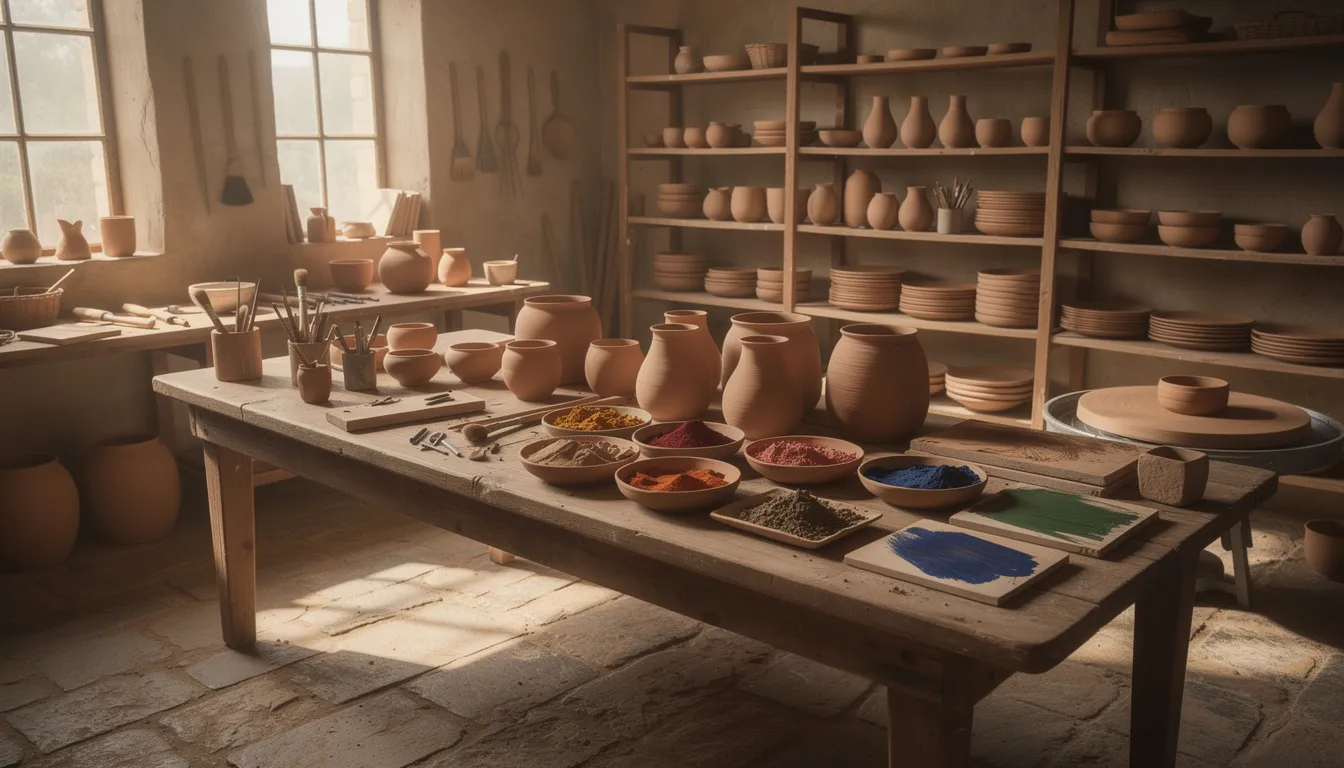
Talavera pottery represents mexican traditions at their most refined. Strict certification standards require specific clays and firing processes at over 800°C to earn the Talavera designation. Artisans hand-paint intricate designs featuring Spanish floral motifs alongside indigenous symbols in what collectors consider among the most demanding ceramic arts in the world.
Contemporary masters adapt traditional forms for modern contexts while maintaining the technical standards that distinguish authentic Talavera from imitations. Their work bridges centuries of history with contemporary artistic expression, appearing in collections from mexico city to europe.
Contemporary Mexican Folk Artists and Cultural Impact
Traditional folk art techniques continue influencing contemporary artists, with work appearing in galleries alongside installation art and mixed media pieces. The boundary between folk craft and fine art has blurred significantly since world war ii, creating new opportunities and challenges for artisans.
Pedro Linares and Alebrijes
Pedro Linares invented alebrijes in mexico city during the 1930s following a fever-induced vision of hybrid creatures calling out their own name. Working in the cartonería tradition-papier mâché crafts historically serving Carnival and religious celebrations-Linares developed a painted style that would influence artists for generations.
The traditional papier mâché process involves:
Tearing newspaper into strips and soaking in water overnight
Mixing wheat paste with water to create adhesive
Building forms over wire armatures or molds, layering paper strips
Drying completely before applying gesso and acrylic paints in bright colors
Linares attracted the attention of diego rivera and frida kahlo, who collected his work and introduced it to the international art world. His legacy continues through his sons and grandsons, who maintain the family workshop while training younger generations in these artistic skills.
Textile Artists and Indigenous Weaving
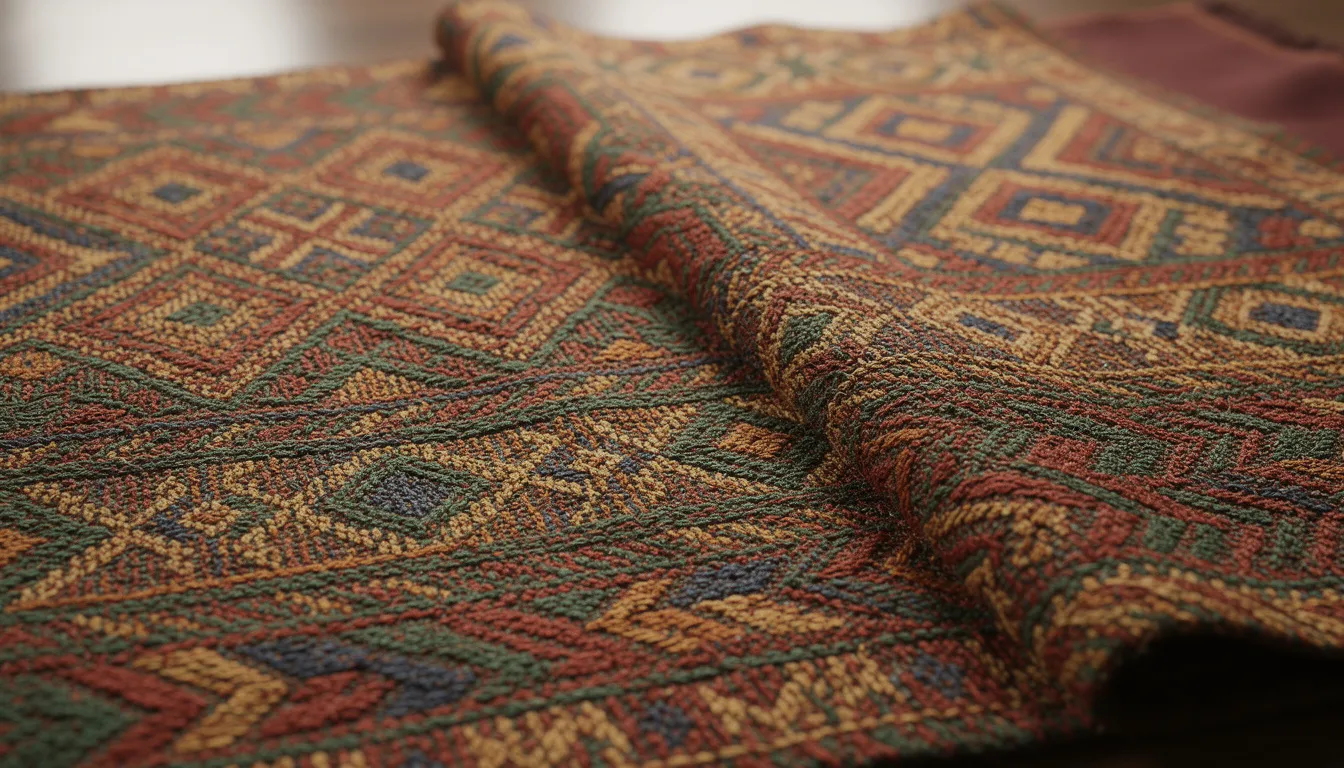
Women across Chiapas, Oaxaca, and Yucatán continue backstrap weaving for huipiles (embroidered blouses) and rebozos (shawls) using techniques unchanged for millennia. Zapotec weavers in Teotitlán del Valle maintain family guilds where skills pass generationally, their rugs incorporating Spanish floral motifs alongside pre hispanic symbols like the feathered serpent.
Oaxacan textiles feature natural dyes from cochineal insects (yielding crimson), indigo, and moss-materials that connect contemporary weavers to ancestors who valued these same pigments. Each geometric pattern carries meaning: circles for sun and cycles, zigzags for lightning or serpents, diamonds for eyes or stars.
Huichol Beadwork
Huichol beadwork from san luis potosí, Nayarit, Jalisco, Durango, and Zacatecas represents indigenous artistry unbroken by colonization. Artists press tiny glass beads-up to 3,000 per square inch-into beeswax on wooden boards, depicting peyote visions of gods, jaguars, corn deities, and cosmic arrows.
Cross-Cultural Influence Analysis
Criterion |
Traditional Folk Artists |
Contemporary Folk Artists |
|---|---|---|
Medium |
Single traditional material (clay, wood, fiber) |
Often mixed media combining traditional and modern |
Technique |
Inherited methods from family/community |
Traditional foundation with individual innovation |
Cultural Themes |
Religious, ceremonial, everyday life |
Identity, heritage, social commentary |
Market Reach |
Local and regional markets |
International galleries and museums |
Training |
Apprenticeship from young age |
Mix of traditional apprenticeship and formal training |
Both approaches maintain cultural authenticity while serving different contexts. Mexican american artists often bridge these categories, bringing folk traditions to american art contexts while maintaining connections to their mexican heritage. |
Common Challenges in Understanding Mexican Folk Artists
Appreciating mexican folk art requires cultural context that distinguishes authentic work from imitations and respects the communities that created these traditions.
Distinguishing Authentic vs. Mass-Produced Work
Genuine handmade work shows irregularities: slight asymmetries in form, variations in natural material colors, traditional palettes using natural dyes rather than synthetic uniformity. Authentic Mata Ortiz pottery lacks wheel marks because potters still coil and scrape by hand. True Talavera shows minor paint variations within strict stylistic standards.
Factory production often misses these subtle imperfections while overusing vibrant colors that natural dyes cannot achieve. Mass-produced masks lack the individual character that makes each authentic piece unique.
Regional Attribution and Cultural Sensitivity
Generic “Mexican” categorization obscures the specific community traditions that gave rise to particular arts. Alebrijes belong to specific Oaxacan villages. Talavera comes from certified Puebla workshops. Huichol beadwork represents sacred indigenous practices with spiritual significance beyond decoration.
Understanding these distinctions respects the mexican people who developed and maintained these traditions. La catrina imagery, for example, carries día de los muertos significance that differs from purely decorative use.
Navigating Traditional vs. Tourist Market Work
Folk artists often create different pieces for local use versus international markets. Tourist-oriented work may simplify traditional techniques or exaggerate colors to match expectations. This doesn’t make such work inauthentic-artists have always adapted to markets-but understanding the difference helps collectors appreciate what they’re acquiring.
Traditional pieces created for community use, religious ceremonies, or local customers often show different characteristics than export-oriented work. Both represent legitimate artistic expression within mexican traditions.
Conclusion and Next Steps
Mexican folk artists maintain living traditions while adapting to contemporary contexts, creating work that bridges cultural heritage with modern artistic expression. From the clay artisans of Oaxaca to the beadwork masters of the Huichol highlands, these craftspeople embody centuries of accumulated knowledge while training younger generations to carry traditions forward.
Their work appears in the world’s finest museums while remaining accessible in village markets throughout the country. Over 12 million artisans contribute to a sector worth billions annually, making folk art both cultural treasure and economic lifeline for rural communities.
Immediate next steps:
Visit Mexican cultural centers or museums in your area to see authentic work in person
Research specific regional traditions that interest you-each has distinct history and techniques
When purchasing, ask about artists’ backgrounds and community connections
Support fair-trade markets that ensure artisans receive appropriate compensation
Related exploration topics: Mexican muralists’ significant influence on folk art appreciation, indigenous art traditions across Latin America, and contemporary Latino artists incorporating folk techniques into installation art and mixed media work.
Additional Resources
Key museums displaying mexican folk art:
National Museum of Mexican Art (Chicago)-comprehensive collection spanning traditional to contemporary
Mexican Museum (San Francisco)-focus on artistic skills and cultural context
Museo de Arte Popular (Mexico City)-definitive collection in the country’s capital
Regional art centers:
Oaxaca’s markets in and around the capital
Puebla’s Talavera workshops
Michoacán’s lacquerware villages
The Mata Ortiz community in Chihuahua all welcome visitors interested in seeing artists at work.
Reference materials: University collections, particularly the Phoebe A. Hearst Museum, offer scholarly resources on traditional techniques and cultural history that deepen appreciation for this remarkable artistic heritage.