Introduction
Wabi sabi art represents a profound Japanese philosophy that celebrates imperfection, impermanence, and the quiet beauty of natural aging-transforming what conventional aesthetics might dismiss as flaws into sources of authentic visual power. This ancient approach to beauty finds meaning in asymmetry, weathered surfaces, and the organic textures that emerge when natural materials interact with time.
This guide covers the selection, placement, and styling of wabi sabi artwork for modern interiors, focusing on practical approaches that honor the philosophy’s essence without requiring deep knowledge of traditional Japanese ceremonial contexts. Whether you’re a design-conscious homeowner seeking meaningful alternatives to mass-produced perfection, or a collector drawn to contemplative art that tells authentic stories, this content addresses your specific needs for integrating these principles into contemporary living spaces.
Wabi sabi art embraces asymmetry, weathered textures, and muted earth-toned palettes to create contemplative pieces that find beauty in flaws and natural aging rather than concealing them.
By the end of this guide, you will understand:
Core wabi sabi philosophy principles and their visual translation
Specific characteristics that distinguish authentic wabi sabi artwork
Strategic placement approaches for different room types
Material considerations for textured art and natural forms
Practical integration methods for contemporary spaces
Understanding Wabi Sabi Philosophy in Art
Wabi sabi stands as an aesthetic philosophy rooted in three interconnected pillars: impermanence, imperfection, and incompleteness. Emerging from Zen Buddhism and refined through centuries of Japanese culture, this worldview reorients perception away from idealized perfection toward the raw, unrefined beauty inherent in all things that grow, weather, and eventually return to nature.
For those seeking art that carries authentic meaning rather than manufactured polish, wabi sabi aesthetics offer a profound alternative to the flawless uniformity of mass production. This philosophy speaks directly to a growing desire for objects and spaces that acknowledge life’s transience while finding wisdom in that very impermanence.
The Wabi Element
Wabi evokes a rustic simplicity and humble beauty found in natural, unrefined materials-the quiet elegance of rough-hewn wood, the subtle beauty of handmade clay vessels, or the tranquility of stone worn smooth by water. In its original form, wabi connoted solitary living amid nature, a deliberate embrace of simplicity over ostentation.
In visual art, wabi translates to organic textures, earth tones drawn from landscape and mountain, asymmetrical compositions that mirror nature’s unplanned grace, and surfaces that reveal the hand of their maker. Brushstrokes remain visible rather than blended away. Canvas shows through in places. The geometry of a form bends slightly from perfect symmetry.
When selecting wabi sabi wall art, these principles guide you toward pieces with authentic character-art that embraces its creation marks rather than hiding them. A painting with visible layering, a print where ink pools unevenly, or abstract art featuring organic forms that resist rigid lines all embody wabi’s essence.
The Sabi Element
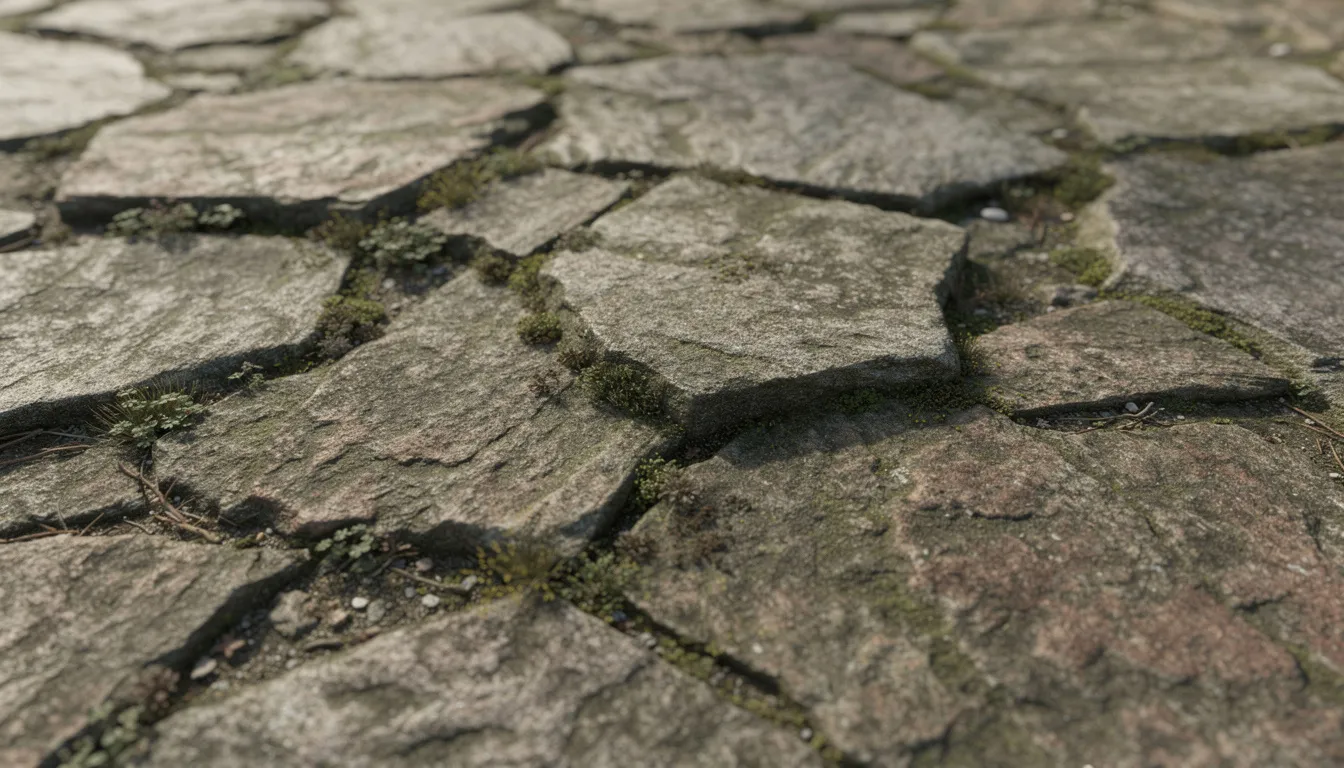
Sabi captures the beauty found in aging, patina, and the marks of time-the way a flower dries into papery elegance, how wood grays and cracks with exposure, or the rust that transforms metal into something that evokes history and story.
Artistic expression of sabi manifests through intentional irregularities, materials that show natural wear, and techniques that simulate or accelerate the visual effects of time’s passage. Sabi art often features muted palettes that suggest fading, surfaces that carry the texture of weathering, and compositions that feel quietly melancholic yet deeply peaceful.
This element builds on wabi’s foundation of humble simplicity by adding the dimension of temporal passage. Together, they create artwork that doesn’t merely exist in a moment but carries the sense of countless moments accumulated-pieces that tell stories through their very imperfection. Understanding this relationship prepares you to recognize how these philosophical elements manifest across specific art forms available for contemporary spaces.
Types of Wabi Sabi Art for Contemporary Spaces
The philosophical principles of wabi and sabi find expression across diverse art categories, each offering distinct approaches to bringing contemplative beauty into modern interiors. From the living rooms of the United Kingdom to minimalist apartments in South Korea, Saudi Arabia, and the United Arab Emirates, these art forms translate ancient Japanese philosophy into pieces suited for global contemporary living.
Abstract Compositions
Abstract wabi sabi art features muted color palettes-warm grays, soft browns, weathered greens, and the subtle variations found in stone and raw earth. General abstract pieces in this tradition reject the bold geometry of conventional modernism, instead offering organic forms that suggest natural phenomena without depicting them literally.
Technical approaches include brushwork that leaves visible evidence of gesture, color relationships built on subtle tonal shifts rather than high contrast, and compositional strategies that embrace asymmetry as a core organizing principle. These pieces often feature negative space as an active element, allowing emptiness to carry meaning equal to marked areas.
Abstract wabi sabi artwork suits spaces requiring contemplative focal points without literal subject matter. Living rooms benefit from larger wabi sabi artwork that anchors seating areas, while smaller studies or bedrooms can accommodate intimate square formats that invite close viewing.
Nature-Inspired Minimalism
Minimalist art drawing from natural elements represents another significant category of wabi sabi expression. These pieces reference mountain silhouettes, water patterns, weathered wood grain, or the form of a single flower without photographic literalism-suggesting rather than depicting.
Such works use negative space extensively, creating canvases where subtle tonal variations and minimal marks evoke vast landscape or intimate natural detail. The aesthetic embraces incompleteness, often showing only fragments of recognizable forms, inviting viewers to complete the image through imagination.
Building on abstract principles while incorporating recognizable natural beauty, these pieces bridge pure abstraction and representation. They work particularly well in spaces where a connection to nature supports the room’s intended atmosphere-bedrooms seeking tranquility, workspaces requiring focused calm, or transitional areas like hallways where a sense of expansive simplicity guides movement.
Textural and Mixed Media Works
Textured art incorporating natural materials represents wabi sabi’s most tactile expression. These pieces integrate clay, sand, wood, stone, canvas fibers, and organic matter into layered surfaces that demand physical as well as visual engagement.
Techniques include collage elements that add dimensional interest, sand textures that catch light unevenly, deliberate distressing that simulates natural aging, and the integration of found natural materials that carry their own history into the artwork. Some sculptures in this tradition use raw clay left partially unfinished, or wood that retains bark and natural imperfection.
These three categories-abstract compositions, nature-inspired minimalism, and textured mixed media-serve varying aesthetic preferences while maintaining the core philosophy’s authenticity. Understanding what makes each type effective prepares you for the practical decisions of selection and placement.
Selecting and Placing Wabi Sabi Art in Modern Interiors
Moving from understanding art types to practical implementation requires specific guidance on choosing authentic pieces and positioning them effectively. The goal is creating spaces where wabi sabi decor enhances rather than overwhelms contemporary architecture and furniture.
Choosing Authentic Pieces
Distinguishing genuine wabi sabi aesthetics from superficial interpretations-pieces that merely look “rustic” without philosophical depth-requires attention to several key qualities.
Assess the color palette for muted, earth-based tones and natural color relationships. Authentic pieces typically feature browns, grays, soft greens, and warm neutrals that could occur in natural materials. Avoid pieces using artificial-feeling color combinations even if the finish appears aged.
Examine composition for intentional asymmetry and organic balance. The arrangement should feel natural rather than contrived-neither rigidly symmetrical nor randomly chaotic. Look for the kind of harmony found in nature, where elements balance without matching.
Evaluate surface quality for authentic texture and visible creation marks. In wabi sabi art prints, this might mean paper that shows fiber or printing that embraces slight variation. In original works, seek evidence of the maker’s hand-brushstrokes, tool marks, or the natural irregularities of handworking clay or wood.
Consider scale and proportion relative to your intended space and viewing distance. Large wabi sabi artwork requires wall expanse and viewing distance to breathe properly. Smaller pieces need intimate placement where texture and subtle detail can be appreciated.
Placement and Styling Principles
Room Type |
Ideal Positioning |
Complementary Elements |
|---|---|---|
Living Rooms |
Above seating at eye level; as focal point opposite entry |
Linen textiles, low wood furniture, stone accents |
Bedrooms |
At restful viewing height from bed; grouped on one wall |
Neutral bedding, minimal nightstands, soft ambient light |
Workspaces |
Within peripheral vision; above desk at contemplative angle |
Natural wood desk, simple lines, uncluttered surfaces |
Transitional Spaces |
End of hallway as destination; stairwell accent |
Bare walls surrounding, natural floor materials, indirect lighting |
Lighting considerations significantly impact how wabi sabi art reads in space. Natural light that shifts through the day emphasizes the temporal quality inherent in the philosophy. Avoid harsh spotlighting that flattens texture; instead, use diffused sources that allow shadows to reveal surface variation.
Surrounding materials should support rather than compete with the art’s humble elegance. Raw wood, linen, rough stone, and materials with their own subtle texture create dialogue with the artwork. Highly polished or reflective surfaces can undermine the contemplative atmosphere wabi sabi pieces require.
These placement principles address common implementation challenges that arise when integrating wabi sabi art with existing decor schemes.
Common Styling Challenges and Solutions
Integrating wabi sabi aesthetics into contemporary spaces sometimes creates tension between philosophical authenticity and practical livability. Addressing typical concerns helps ensure your art enhances rather than complicates your environment.
Avoiding Overly Rustic or Unfinished Appearance
Balance wabi sabi pieces with clean-lined furniture and refined materials like smooth linen, polished concrete floors, or simple metal fixtures. The philosophy finds beauty in imperfection, but this doesn’t require an entirely rustic environment.
The key is contrast that elevates both elements-crisp architectural lines make organic forms more striking, while weathered textures warm otherwise clinical spaces. Sophistication emerges from thoughtful juxtaposition rather than uniformity.
Integrating with Existing Modern Decor
Use wabi sabi artwork as accent pieces within predominantly contemporary schemes rather than attempting wholesale transformation. A single large wabi sabi artwork can anchor a minimalist room without requiring complete decor overhaul.
Color bridging helps integration: if your space features gray tones, select artwork emphasizing warm or cool grays. If wood furniture dominates, choose pieces incorporating similar wood tones or textures. Material coordination creates visual dialogue between art and environment.
Selecting Appropriate Scale for Minimalist Spaces
Choose pieces that provide visual weight without overwhelming clean architectural lines. In minimalist environments, artwork needs presence but shouldn’t create clutter or compete with the space’s essential simplicity.
For high ceilings or expansive walls, grouping smaller pieces can create impact while maintaining the understated quality wabi sabi requires. Alternatively, a single perfect piece-whether large or surprisingly small-can work if positioned with generous surrounding negative space. The room itself becomes part of the composition.
These solutions prepare you for confident wabi sabi art integration and the next steps in developing your approach.
Conclusion and Next Steps
Wabi sabi art offers an authentic alternative to perfection-oriented aesthetics by deliberately embracing natural imperfection, the wisdom of aging, and the humble beauty of handmade authenticity. This Japanese philosophy, refined over centuries, creates spaces for mindfulness and tranquility through art that acknowledges impermanence rather than resisting it.
To begin integrating these principles into your space:
Assess your current rooms for walls and positions where contemplative artwork would enhance daily experience
Identify which art type-abstract, nature-inspired minimalism, or textured mixed media-aligns with your aesthetic preferences and lifestyle
Source pieces from makers who understand the philosophy’s depth rather than merely replicating surface characteristics
For deeper exploration, consider studying broader Japanese design principles including the concepts of ma (negative space) and kanso (simplicity), approaches to natural material integration in furniture and decor, and contemplative interior design that extends wabi sabi thinking throughout living environments. Each path builds on the foundation of finding beauty in what the world calls imperfect.