Introduction
Wall artwork is any decorative piece designed to enhance vertical surfaces in your home-from original paintings and art prints to photography, sculptures, and mixed media compositions. The right wall art transforms blank walls into expressions of personality, creates visual focal points, and fundamentally changes how a room feels.
This guide covers everything you need to select, size, and display wall artwork in residential spaces. Whether you’re a homeowner looking to elevate your living room, a renter seeking easy solutions that won’t damage walls, or an interior design enthusiast ready to discover new art styles, you’ll find practical guidance based on professional standards and current design principles.
Direct answer: Wall artwork encompasses paintings, prints, photographs, sculptures, and mixed media pieces that hang on or mount to walls to enhance visual appeal and reflect personal style-with prices ranging from affordable poster prints to investment-quality originals.
By reading this guide, you will:
Understand the key types of wall artwork and their materials
Learn how to choose pieces that match your space and style
Master sizing guidelines used by professional designers
Discover installation techniques for any wall type
Find solutions to common artwork challenges homeowners face
Understanding Wall Artwork Fundamentals
Making informed choices about wall art starts with understanding what options exist and how different materials perform in your home. This foundation helps you select pieces that look beautiful and last.
Types of Wall Artwork
Original paintings carry unique value-each brushstroke is one-of-a-kind, and these pieces often appreciate over time. Oil, acrylic, and watercolor paintings offer distinct textures and visual qualities that reproductions cannot fully capture. For collectors, originals represent both aesthetic and investment value.
Art prints and reproductions make quality artwork accessible at affordable prices. Limited-edition prints signed by featured artists hold more value than open-edition reproductions, but both offer excellent ways to enjoy iconic imagery or discover emerging photographers and painters without significant financial commitment.
Photography and digital art suit contemporary spaces with their crisp detail and modern aesthetic. From landscape photography to abstract digital compositions, these pieces work particularly well in minimalist interiors where clean lines matter.
Mixed media and textural pieces add dimension beyond flat surfaces. Assemblages combining paint, fabric, metal, or found objects create sculptural depth that makes walls feel dynamic. These work especially well as statement pieces in rooms needing visual interest.
Materials and Mediums
Canvas prints** and stretched canvas** deliver a painterly texture with soft visual warmth. Canvas works best in traditional or transitional interiors where the woven texture complements the decor. Sealed or varnished canvas resists moisture better than untreated options.
Framed** artwork** offers versatility through frame material choices. Wood frames bring warmth suited to traditional spaces; metal frames deliver minimalist modernity; acrylic frames create contemporary floating effects. Conservation framing with UV-protective glazing protects valuable pieces from light damage.
Metal prints use dye-sublimation on aluminum for exceptional durability. Practically waterproof and scratch-resistant, metal prints work in kitchens, bathrooms, and high-traffic areas. Their lifespan reaches 60-65 years with archival-quality production.
Paper prints and posters provide budget-friendly options for renters or those testing art styles. Fine art Giclée prints on archival paper offer quality at reasonable prices, though they require framing and glazing for protection in humid environments.
Understanding these materials helps you match artwork to room conditions-a critical step before making any purchase.
Choosing the Right Wall Artwork for Your Space
With foundational knowledge in place, you can now select pieces that work specifically for your rooms, style preferences, and spatial constraints.
Room-Specific Considerations
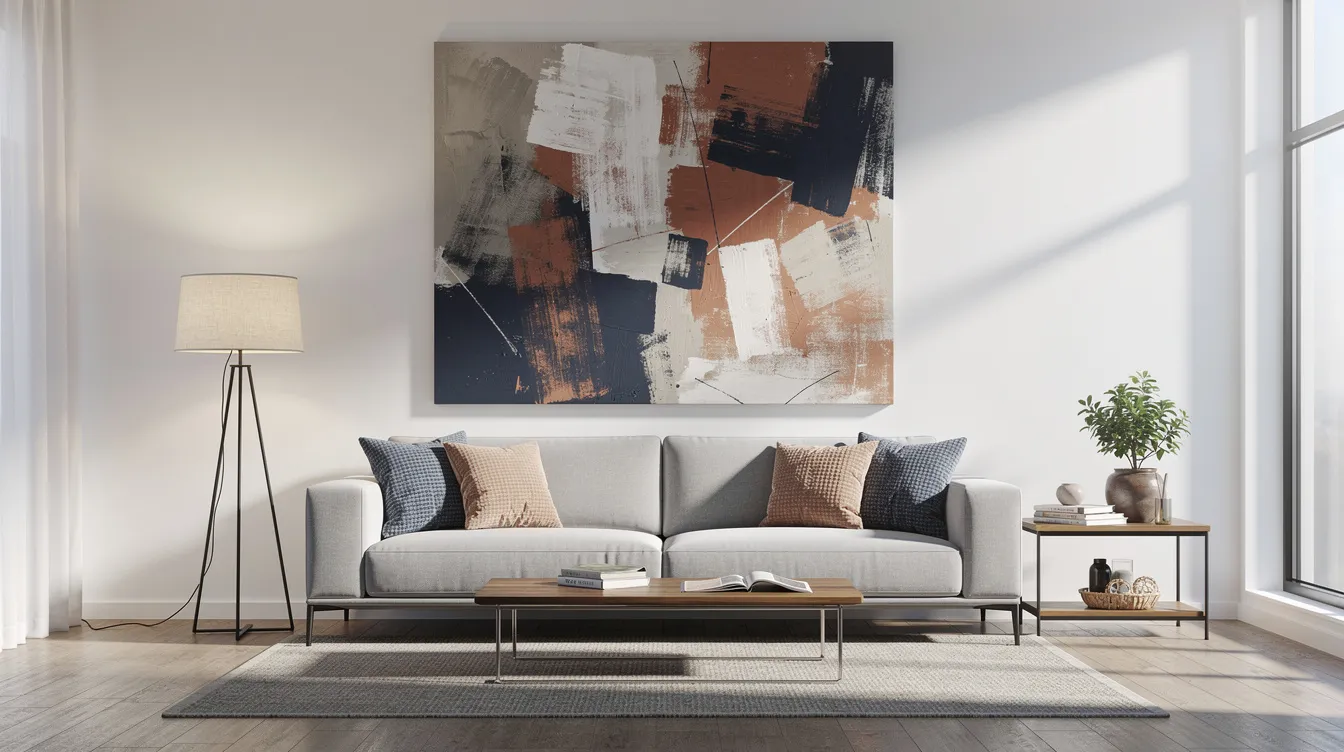
Living rooms need artwork that creates conversation and anchors the space visually. Large pieces or curated groupings above sofas or fireplaces establish focal points that guide the eye. Consider pieces with enough visual weight to balance substantial furniture.
Bedroom artwork should promote calm and personal expression. Softer tones, subtle abstracts, and meaningful photography work well here. Skip high-energy pieces in favor of art that helps you feel relaxed at day’s end.
Kitchens and dining rooms demand practical considerations alongside aesthetics. Choose wipeable surfaces like metal or acrylic prints near cooking areas. Dining spaces benefit from art that stimulates appetite and conversation-warm colors and engaging subjects work well.
Bathroom artwork requires moisture-resistant materials. Metal prints are nearly waterproof; sealed canvas performs moderately well. Avoid untreated paper or canvas in high-humidity environments where warping and mold become concerns.
Style and Theme Coordination
Matching existing decor creates cohesion. Modern spaces pair well with metal frames, acrylics, and photography. Traditional rooms suit ornate wood frames and oil paintings. Eclectic interiors allow mixing-but choose pieces that share at least one connecting element.
Color palette coordination ties artwork to your room. Look for pieces that echo accent colors in upholstery, rugs, or throw pillows. In brightly colored rooms, muted art provides balance; in neutral spaces, bold artwork adds energy and personality.
Creating cohesive themes matters when connected spaces share sightlines. Use consistent color palettes or subject matter to help the world of your home flow naturally from room to room.
Balancing statement pieces with subtler work prevents visual overwhelm. One bold piece per room typically provides enough impact-surround it with complementary art in smaller scales or quieter tones.
Size and Scale Guidelines
The two-thirds rule guides artwork selection above furniture. Choose pieces with width approximately two-thirds to three-quarters of the furniture below. Above a 90-inch sofa, artwork should span roughly 60-68 inches.
Center artwork at 57-60 inches from floor to the piece’s center-this eye-level standard comes from museum and gallery practice. Adjust slightly lower in rooms with primarily seated viewing.
Vertical spacing guidelines: Hang artwork 6-12 inches above furniture tops and leave at least 12 inches between the artwork’s top edge and the ceiling. High ceilings can handle more space; low ceilings need tighter proportions.
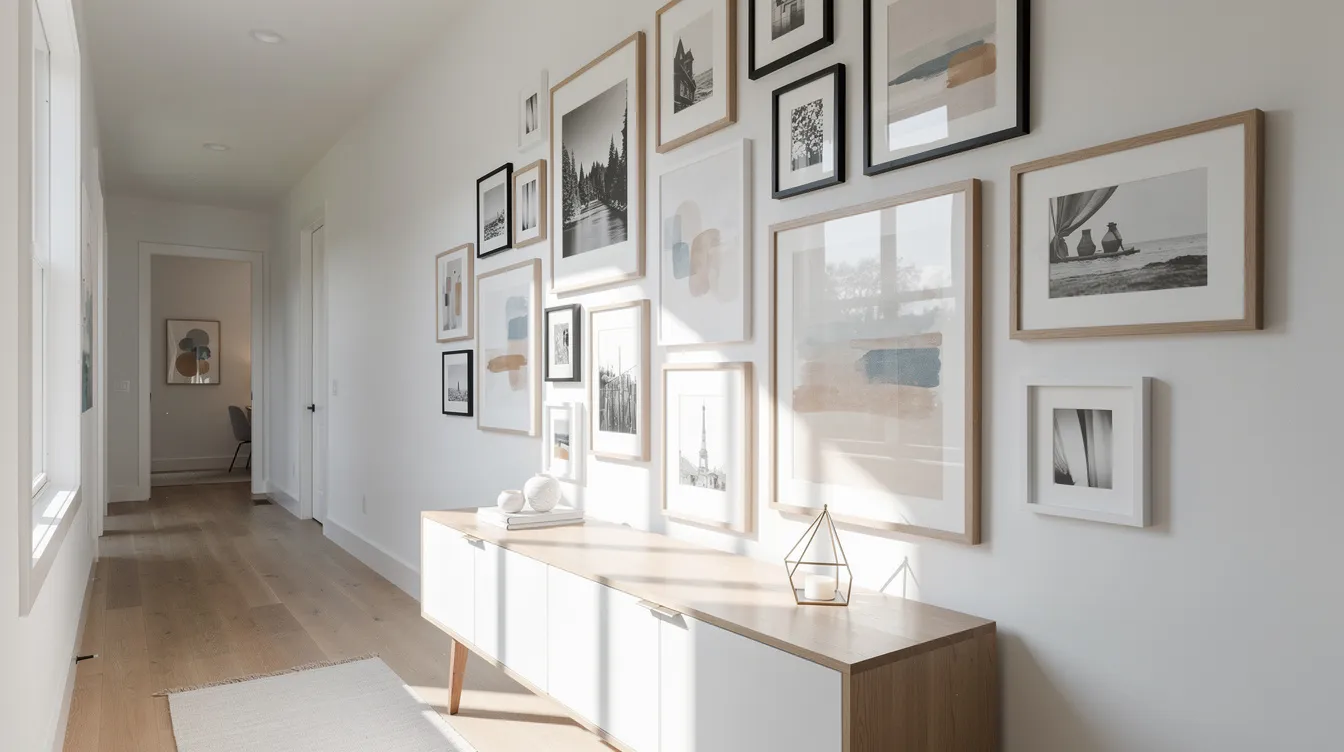
Gallery wall** sizing** combines multiple pieces into visual blocks. Treat the entire arrangement as one artwork when calculating proportions relative to furniture below. Space individual pieces 2-4 inches apart for visual cohesion.
Installation and Display Techniques
Proper installation protects your artwork investment and ensures pieces hang safely for years. The right technique depends on wall type, artwork weight, and whether you own or rent your space.
Hanging Methods and Hardware
Standard picture hooks and wire systems work for lightweight to moderate pieces. Match hook weight ratings to artwork weight-err on the side of heavier-duty hardware for anything substantial.
Heavy artwork (over 20 pounds) needs wall anchors in drywall or masonry anchors for brick and concrete. Use two mounting points for stability, especially with large frames. French-cleat systems distribute weight evenly and allow easy leveling adjustments.
Renter-friendly options include removable adhesive strips rated for specific weights, picture rails with adjustable hooks, and tension rod systems. These solutions protect walls while remaining easy to remove when you move.
Professional mounting makes sense for valuable originals, oversized pieces, or challenging wall materials. The cost protects against damage to both artwork and walls.
Gallery Wall Arrangements
Layout Style |
Best For |
Spacing |
Planning Approach |
|---|---|---|---|
Grid |
Formal spaces, matching frames |
2-3 inches uniform |
Precise measurement essential |
Salon/organic |
Eclectic rooms, varied pieces |
2-4 inches variable |
Paper template method |
Linear |
Hallways, stairways |
2-3 inches |
Follow wall angle or horizontal line |
Diptych/triptych |
Cohesive statements |
1-2 inches |
Treat as single piece |
Grid arrangements use identical frames and uniform spacing for clean, formal effects. Measure precisely-even small variations become noticeable in symmetrical layouts. |
Salon-style layouts mix sizes and frame styles organically. Start with your largest piece slightly off-center, then build outward. This approach suits eclectic spaces and lets you add pieces over time.
Planning templates save wall damage from multiple attempts. Lay arrangements on the floor first, then trace each piece onto kraft paper. Tape paper to the wall to visualize before committing to nail holes.
Choose arrangements based on your existing artwork collection and how formally you want the space to feel. Grid works for curated consistency; salon style celebrates collected-over-time character.
Common Challenges and Solutions
Even designers encounter obstacles when selecting and displaying wall art. These solutions address what people face most often.
Artwork Appearing Too Small for the Wall
Group multiple smaller pieces into one visual block that fills appropriate wall space. Alternatively, invest in one properly scaled statement piece-it often costs less than several smaller works that still look insufficient. Use paper cutouts to test scale before committing to a purchase.
Mismatched Color Schemes
Bridge disconnected colors with neutral-toned mats or frames that mediate between artwork and room palette. Consider pieces with at least one color that appears elsewhere in the room. Black-and-white photography works in nearly any color scheme when bright artwork clashes.
Damage from Improper Hanging
Select hardware rated for at least 20% more than your artwork’s actual weight. Check frame backing hardware before hanging-weak attachment points fail regardless of wall hardware quality. Avoid hanging heavy pieces directly above beds or seating where falling poses safety risks.
Budget Constraints for Quality Artwork
Thousands of affordable options exist beyond gallery originals. Explore art prints from emerging artists, limited-edition photography, local art school sales, and secondhand pieces. Online platforms offer quality work at various price points-the online art market exceeds $11 billion globally, reflecting strong demand for accessible art.
Understanding these challenges beforehand helps you shop smarter and install with confidence.
Conclusion and Next Steps
Well-chosen wall artwork transforms ordinary rooms into spaces with personality, beauty, and visual purpose. The right pieces at proper scale, installed correctly, elevate how you and visitors feel in your home.
Start immediately:
Measure your available wall spaces and note furniture dimensions below hanging areas
Assess your current decor style and identify colors you want artwork to complement
Set a realistic budget for your first purchase or gallery wall project
Then proceed to:
Research art styles and featured artists that resonate with your taste
Plan arrangements using paper templates before making final decisions
Make your first purchase from a reputable source with clear quality standards
Related topics to explore: lighting techniques that enhance artwork display, seasonal rotation to keep spaces fresh, and building meaningful art collections over time.
Additional Resources
Planning tools: Smartphone apps let you photograph walls and overlay scaled artwork images before purchase. Many art websites offer virtual room preview features.
Discovery platforms: Instagram connects you directly with photographers and artists worldwide. Online galleries aggregate work from thousands of creators across every style and price point.
Framing services: Local custom framers offer conservation options for valuable pieces. Ready-made frames from quality retailers work well for standard-sized prints.
Artist connections: Many artists collaborate directly with customers on commissioned pieces. Local gallery listings and open studio events help you discover regional talent and potentially work with creators in your community.