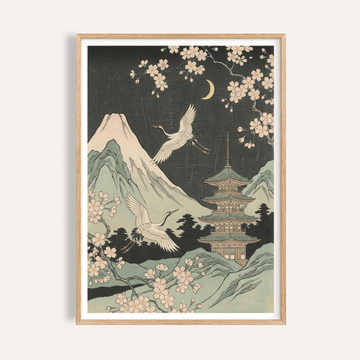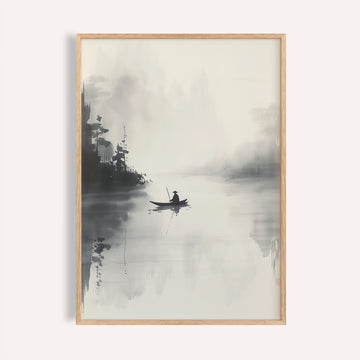


Japanese flower drawing is more than just art. It’s a centuries-old tradition that blends natural beauty with intentional design. These detailed illustrations capture not only the appearance of flowers, but also the feelings they inspire. Whether found in vintage books or modern prints, this art form continues to hold a special place in Japanese culture and beyond.
A Look at Japanese Flower Drawing
Japanese flower drawings reflect an appreciation for seasonal change and the quiet elegance of nature. You’ll often see delicate lines and subtle colors used to depict blossoms like cherry, plum, peony, and chrysanthemum. These drawings aren’t flashy. They’re thoughtful, minimal, and full of meaning.
Historically, this kind of floral art was used in everything from painted screens to illustrated books. Today, it still feels relevant, especially for those drawn to fine art that’s gentle, calming, and intentional.
The Feel of the Art
There’s something peaceful about Japanese flower drawings. Artists typically use ink and brush techniques that focus on line rather than shading, allowing the form of each flower to speak for itself. Even simple images can hold a sense of emotion, serenity, grace, or the quiet passing of time.
These aren’t just pretty pictures. They’re meant to hold space, to reflect the feeling of a season or a memory. That’s why so many people love incorporating them into home décor. They don’t shout. They whisper.
Styles That Have Stood the Test of Time
Most traditional Japanese flower illustrations follow one of a few classic styles:
1. Line-Based Botanical Studies
Used in Edo-era books and painting guides, these drawings focus on form, often without any color. Think precise ink lines and a scientific level of detail.
2. Kacho-ga (Flower and Bird Art)
This classic style pairs flowers with birds to represent harmony in nature. Many of these were done as woodblock prints or scroll paintings.
3. Minimalist Brushwork
Inspired by Zen calligraphy, this approach strips the flower down to its essential shape, just a few strokes to suggest the whole form.
You can see all of these styles echoed in Laboo Studio’s Japanese Flower Painting and [Art Prints – Japanese] collections.
Flowers That Hold Meaning
In Japan, flowers aren’t just admired for their beauty. They’re believed to carry symbolic meaning. Here are a few commonly featured in traditional drawings:
-
Cherry Blossoms (Sakura) – Fleeting beauty, renewal, and the beginning of spring.
-
Peonies – Wealth and honor, often seen in fine art as bold, layered blossoms.
-
Chrysanthemums – Longevity and nobility; a symbol of the imperial family.
-
Plum Blossoms (Ume) – Endurance and quiet strength, blooming in late winter.
These flowers appear across centuries of illustrations, giving each drawing layers of cultural context.
Why It Still Resonates
In a world full of noise, Japanese flower drawing offers something quieter. The fine lines, soft composition, and symbolism invite you to slow down. And that’s part of why this style continues to appeal, especially for people decorating their homes with intention.
Prints inspired by these drawings create a calming effect in any room. They hold space without overwhelming it, making them perfect for minimalist or nature-inspired interiors.
For a modern take, explore Laboo Studio’s Floral Wall Art, pieces that blend traditional motifs with fresh, contemporary design.
From Ancient Books to Modern Prints
These flower drawings originally appeared in hand-painted scrolls and printed books. Artists like Kōno Bairei and Hokusai created botanical guides that were part fine art, part educational reference. Today, their legacy lives on in everything from museum collections to high-quality art prints you can hang at home.
Modern artists continue this tradition, some mimicking the old styles exactly, others bringing in new interpretations. No matter the technique, the soul of the art remains: simple, elegant, meaningful.
The Role of Line in Japanese Flower Art
If there’s one thing that defines Japanese flower drawing, it’s the use of line. Whether bold and fluid or fine and precise, line is how the form is shaped, and also how emotion is expressed.
In many drawings, the space around the flower matters just as much as the flower itself. That use of negative space is a hallmark of Japanese art, and it gives each piece a sense of calm and balance.
How These Drawings Feel in the Home
When you bring a Japanese flower drawing into your space, whether as a print, a painting, or even a digital piece. You’re inviting that sense of quiet beauty indoors.
Here’s what they tend to offer:
-
Soft visual focus – These drawings don’t fight for attention. They settle in.
-
Emotional weight – Many are believed to represent deeper meanings like love, loss, or seasonal change.
-
Timelessness – Whether vintage or modern, the style feels enduring.
That’s why pieces like [Japanese Flower Painting] are a favorite for those creating mindful interiors.
The Connection Between Flowers and Feelings
There’s a reason these drawings have lasted so long. It’s not just because they’re beautiful. It’s because they make people feel something.
You don’t need to know the story behind every flower to get a sense of what the drawing is trying to say. The feeling comes through in the line, in the space, in the stillness.
That emotional depth is what turns a simple image into true fine art.